Philippines, China summon envoys after South China Sea clash
Manila and Beijing summoned each other's envoys after a clash near Second Thomas Shoal, exposing how fast a sea encounter can become a diplomatic crisis.

Philippine and Chinese officials summoned each other's envoys after a confrontation at Second Thomas Shoal, turning a maritime clash in the South China Sea into a formal diplomatic protest. The dual summonses showed how quickly an encounter at sea can move onto the diplomatic front line, where both governments raise the political cost of backing down.
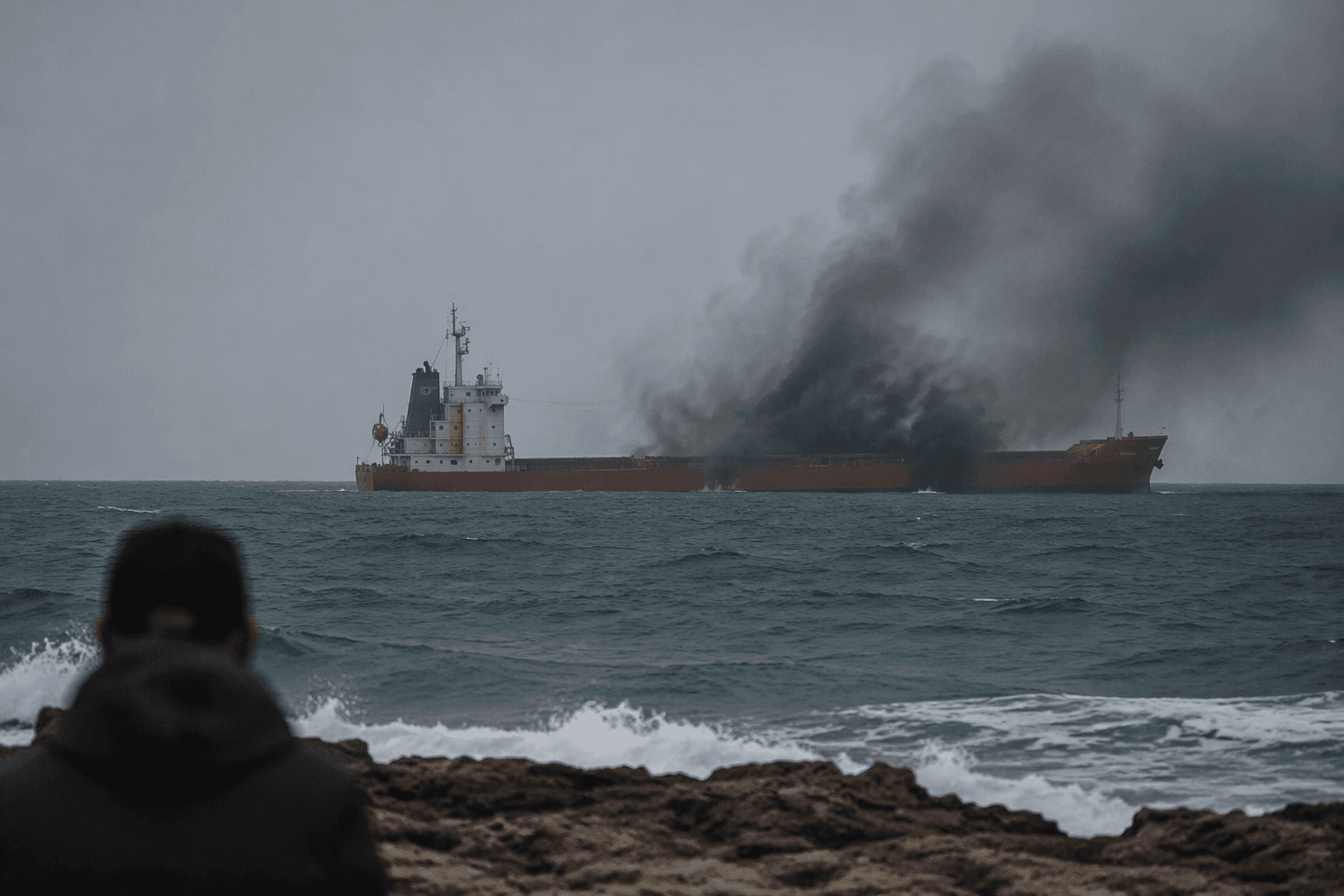
Manila said Chinese coast guard personnel struck a Philippine navy sailor during a resupply mission near the shoal, where the Philippines has kept a grounded naval vessel and regularly sends supplies despite Chinese pressure. Beijing blamed Philippine personnel for provoking the incident. The encounter fit a familiar pattern in the area, where coast guard ships, small boats, water cannon, radio warnings and dangerous maneuvering have repeatedly brought the two countries into close contact.
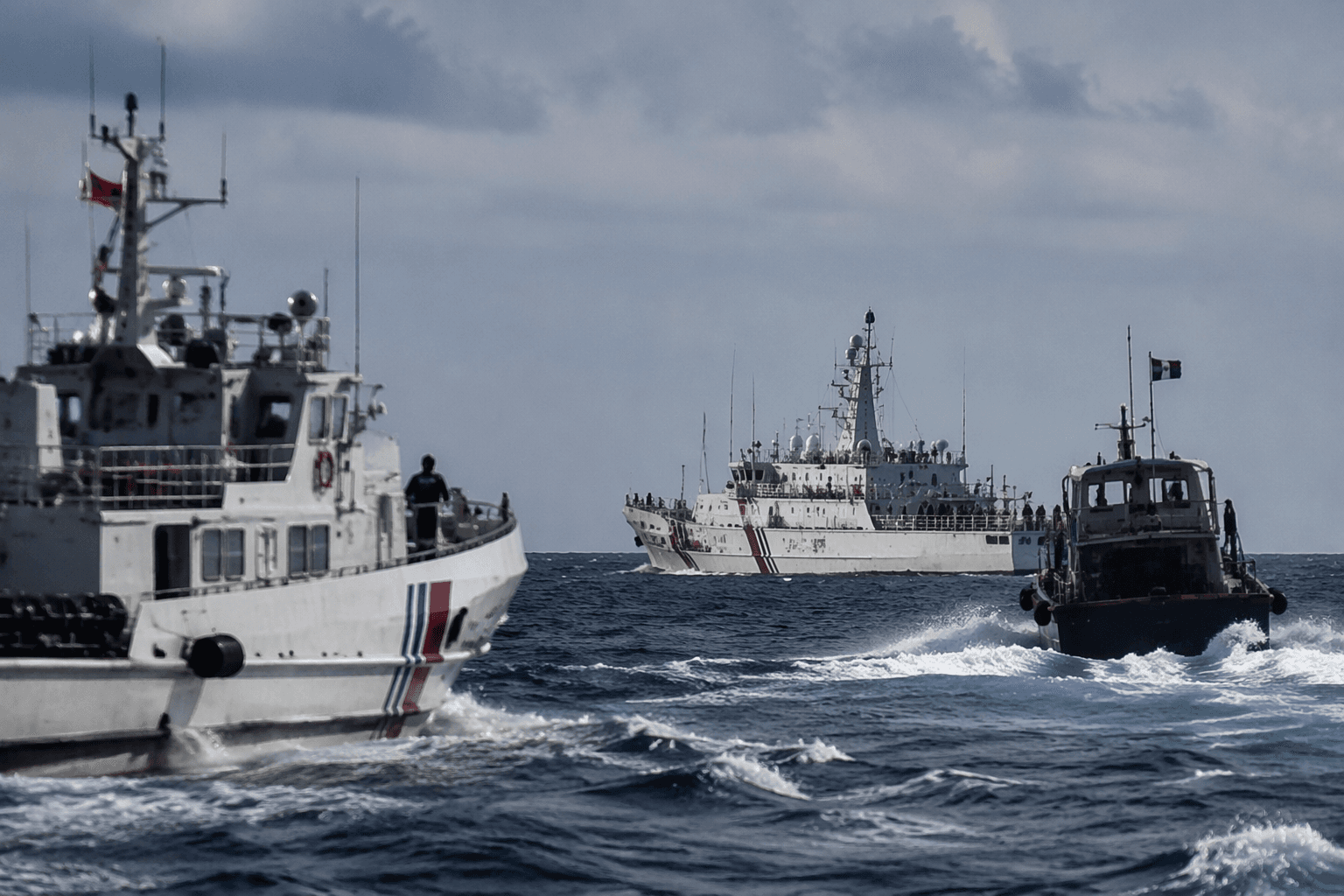
The South China Sea remains volatile because China claims sweeping sovereignty over most of the waterway, while the Philippines, Vietnam, Malaysia, Brunei and others contest parts of those claims. For the Philippines, Second Thomas Shoal has become the most combustible point in the dispute, both because of the grounded ship there and because every resupply mission has become a test of whether Manila can sustain its position under pressure.
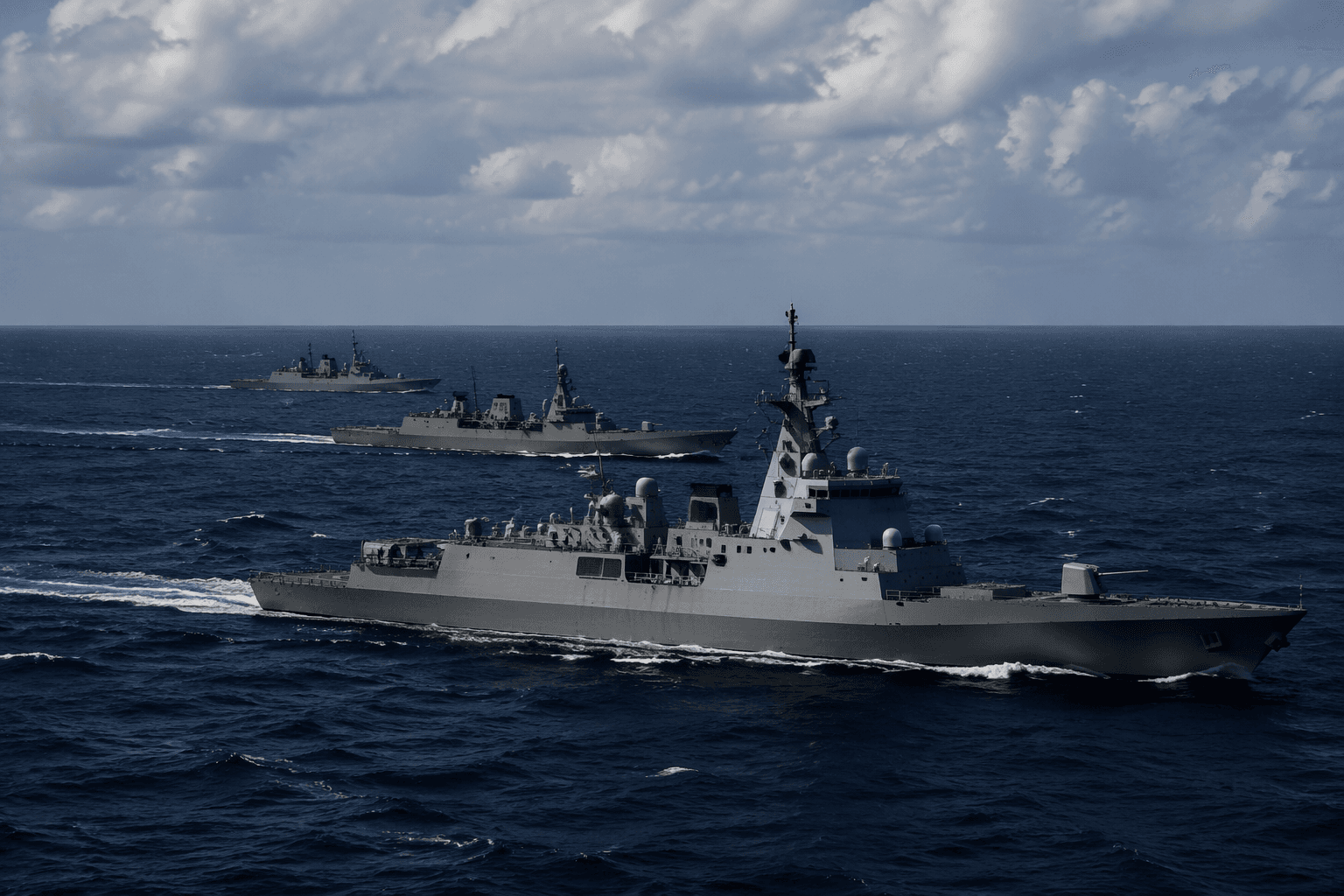
The latest clash also carried wider strategic weight. Manila has leaned more openly on its alliance with the United States and on international legal rulings that reject China’s expansive maritime claims, while Beijing has continued to press its position through patrols and coercive tactics. Each new incident raises the risk that a limited confrontation could widen into a broader regional crisis, drawing in Washington and testing ASEAN’s ability to keep tensions from spilling over into a wider security shock.
For both capitals, the summonses were more than routine protocol. They signaled that the incident had crossed from a battlefield of boats and patrols into a contest of diplomacy, domestic politics and deterrence, with neither side showing any willingness to retreat from the disputed sea lanes.
This article was produced by Prism’s automated news system from verified source data, official records, and press releases, then run through automated quality and moderation checks before publishing. The system is built and supervised by the people who set the standards it runs under. Read our full AI policy.
Did this article answer your question?