Philippines' lower house stalls as impeachment complaints test Marcos' hold
House justice committee pauses substance vote on two impeachment complaints against President Marcos, a process that could reshape political risk and investor sentiment.
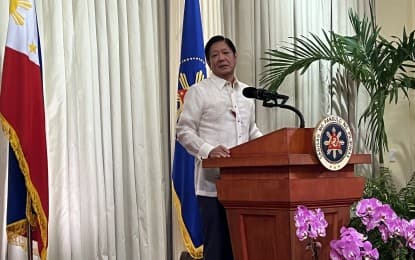
The Philippine House of Representatives’ Committee on Justice has paused a decision on whether to advance two impeachment complaints against President Ferdinand Marcos Jr., setting up a politically charged process that will test the president’s grip on Congress and investor confidence.
A 14-page complaint filed on January 19 by lawyer Andre de Jesus and a separate petition from the Makabayan coalition of activist groups were referred to the 47-member justice committee during a House session presided over by Deputy Speaker Yevgeny Emano. The referrals were reported to have effectively triggered a one-year ban on further complaints of the same type. The de Jesus filing lists six grounds, including "culpable violation of the Constitution, graft and corruption, and betrayal of public trust." Activist-backed papers accuse Marcos of a broader set of offenses including treason, bribery and other high crimes.
On February 1 the justice committee voted that both complaints were "sufficient in form," clearing the initial procedural hurdle. The panel reconvened in early February to determine whether the papers were "sufficient in substance" to recommend formal articles for a full House vote. After hours of "exhaustive discussions" the committee chair, Jinky Luistro, acceded to requests from members and suspended voting to allow further deliberation, scheduling additional debate before any decision.
If the committee finds substance, its recommendation would go to the full lower house for a floor vote. The committee has a maximum of 60 session days to reach a determination; House rules require the Speaker to include a verified complaint in the Order of Business within ten session days and to refer it to the justice committee within three session days. Parties to the complaint are required to file affidavits and counter-affidavits with documentary evidence during submissions. With only four lawmaker endorsers combined across both complaints, the one-third endorsement shortcut that bypasses the committee process is unavailable, forcing the longer adjudication route.
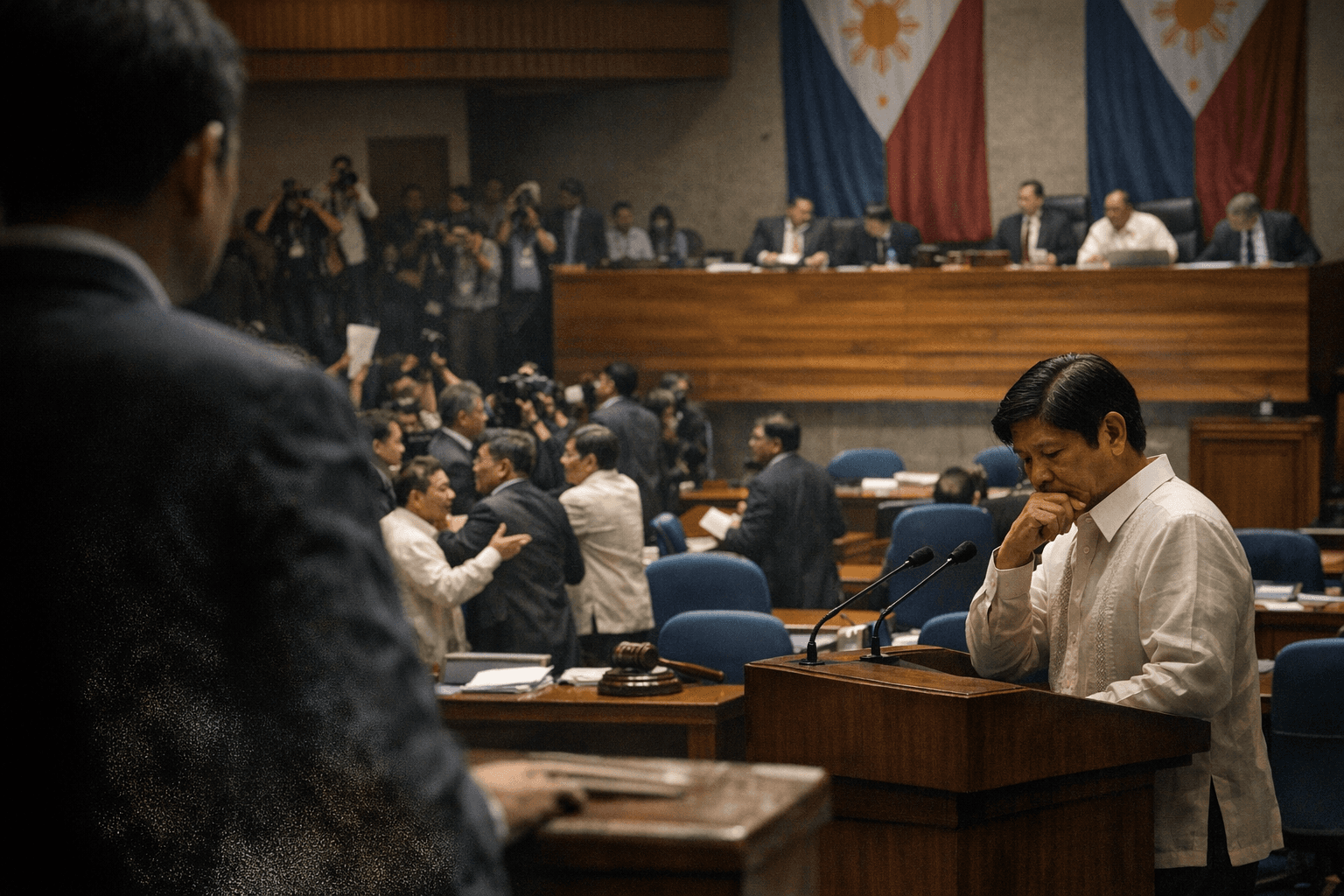
Political dynamics complicate the calculus. The lower chamber is dominated by allies of the president, and Majority Leader Sandro Marcos, the president’s son, "has said he will inhibit from impeachment proceedings against his father." Some lawmakers have cast doubt on the complaints’ merits; Caloocan Rep. Edgar Erice said the complaint "can easily be dismissed" for lacking form and substance. Marcos denies wrongdoing and is midway through his six-year term.
For markets and policy, the impeachment process raises questions about political risk and governance continuity. Impeachment proceedings, even if they fail, can amplify uncertainty over fiscal and infrastructure policy execution, complicate public-private investment plans and weigh on the peso and local bonds if investor confidence erodes. That risk is tempered by institutional factors: the committee route, the House's pro-administration tilt and the low number of endorsers reduce the near-term probability of a removal vote succeeding.
The proceedings also revive institutional precedents. A high-profile impeachment last year used the one-third endorsement shortcut and was transmitted to the Senate but "was ultimately botched amid Supreme Court intervention," underscoring legal and institutional hurdles for politically charged trials. The current process will test whether committee deliberations can produce a clear, evidence-based recommendation or simply prolong political uncertainty. The committee’s next actions and any documentary evidence filed will determine whether the matter advances to a full House vote, where numerical control of the chamber will be decisive.
This article was produced by Prism’s automated news system from verified source data, official records, and press releases, then run through automated quality and moderation checks before publishing. The system is built and supervised by the people who set the standards it runs under. Read our full AI policy.
Did this article answer your question?