Photos on old cellphone help crack Iowa teen disappearance case
Old cellphone photos led investigators back to a Decorah farm, where a runaway Iowa teen’s case finally shifted from missing person to murder.
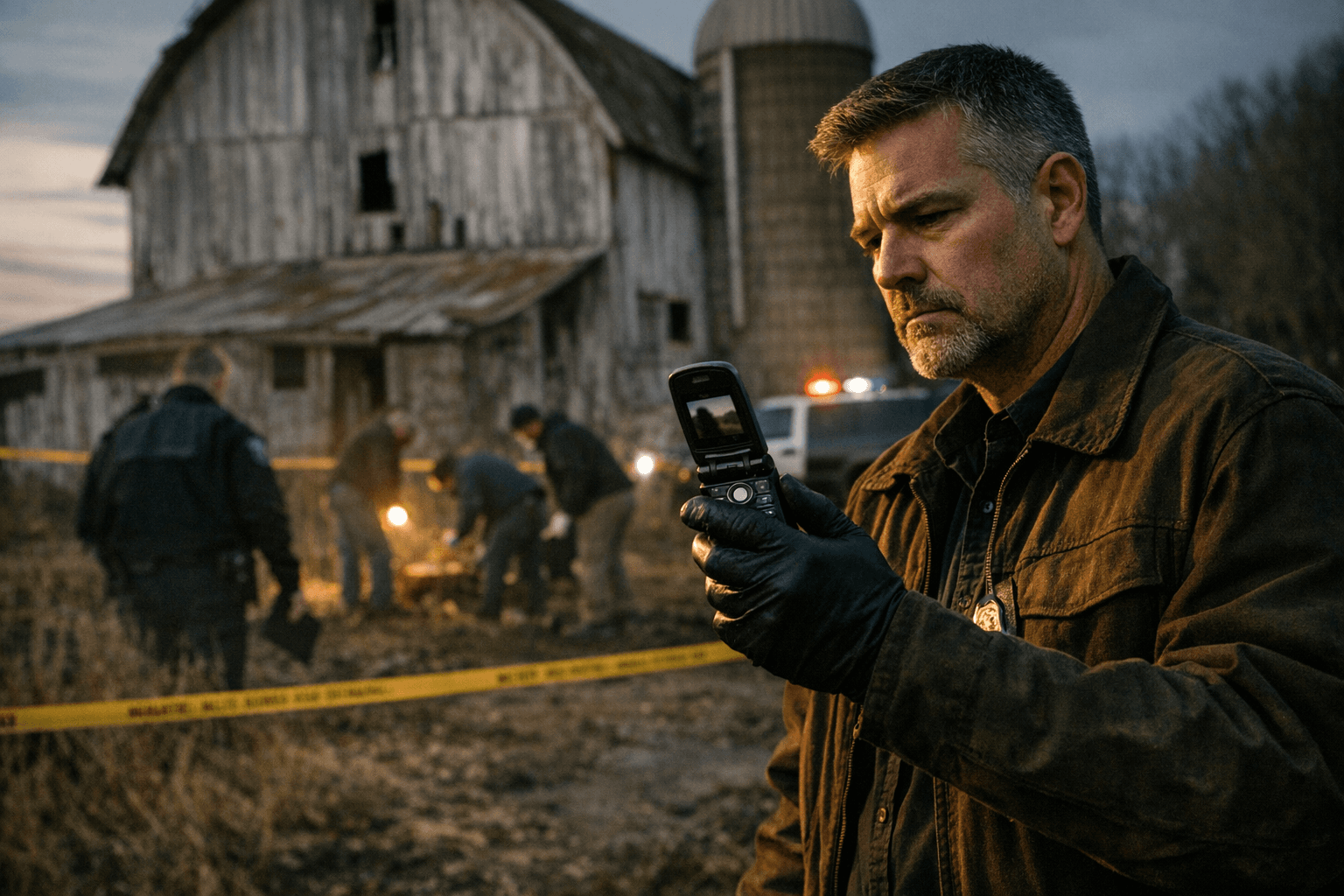
James Bachmurski’s 2025 murder conviction closed a case that began with a 14-year-old girl vanishing from Iowa’s child-welfare system, but it also exposed how easily runaway teens can disappear into bureaucratic blind spots. Investigators said photos found on an old cellphone helped send them back to a farm near Decorah, Iowa, where Jade Colvin was last seen.
Colvin was reported missing in June 2016 after running away from a local shelter for troubled youth. Iowa state records list her last known contact as March 23, 2017, and her missing-person record remains active until her remains are located and positively identified. On September 2, 2025, state records say Bachmurski was convicted of second-degree murder in connection with her disappearance and homicide. He is serving a 50-year prison sentence and must serve at least 35 years before parole eligibility.
The case did not move forward until 2022, when Des Moines Detective Cheryl Nablo, Deputy U.S. Marshal Justin Wallace, Detective Chris Wuebker and Special Agent Jon Turbett took it up as part of Operation Homecoming, a statewide effort led with the U.S. Marshals Service. That reopening mattered because runaway cases often slow down once the first search window closes, especially when a teenager leaves a placement and the paper trail is thin. In Colvin’s case, the breakthrough did not come from a new witness, but from digital scraps left behind on a forgotten phone.

Iowa’s Missing Person Information Clearinghouse, housed within the Iowa Division of Criminal Investigation, was established on July 1, 1985, to compile and disseminate information on missing and unidentified people. The Colvin case shows the limits of that machinery when a vulnerable teen is reported missing, then lost again in the gaps between shelter staff, local police, state tracking systems and federal follow-up. A name can remain active in a database for years, but that does not guarantee the investigation itself stays alive.
Reporting tied to the case places Colvin’s last known location at a farm near Decorah in northeast Iowa. For Iowa, the lesson is not only about one homicide conviction. It is about how a runaway from foster care can fall through the seams of multiple institutions, and how long it can take to stitch the case back together once the trail goes cold.
This article was produced by Prism’s automated news system from verified source data, official records, and press releases, then run through automated quality and moderation checks before publishing. The system is built and supervised by the people who set the standards it runs under. Read our full AI policy.
Did this article answer your question?

