Pitcairn quarantines virus-hit ship passenger, no signs of illness reported
Pitcairn isolated a woman tied to a hantavirus-hit cruise ship after an unannounced transit through Tahiti and Mangareva raised alarms in French Polynesia.

Pitcairn has quarantined a woman linked to a hantavirus-hit cruise ship, saying she had no signs of illness after a brief transit through Tahiti and Mangareva on May 7. The case has put one of the world’s most remote inhabited territories under a harsh public-health test, where fewer than 50 residents live far from outside medical help and evacuation options are limited.
The Pitcairn Islands government said the woman currently had no hantavirus symptoms and would not be allowed to leave the island while she remained a potential risk to others. French Polynesia said the transit happened without advance notice to local authorities or the French state, and officials there held an emergency meeting once they learned of it. French Polynesia and France said they were ready to support Pitcairn if needed, while Pitcairn said it would monitor the situation over the next five days.
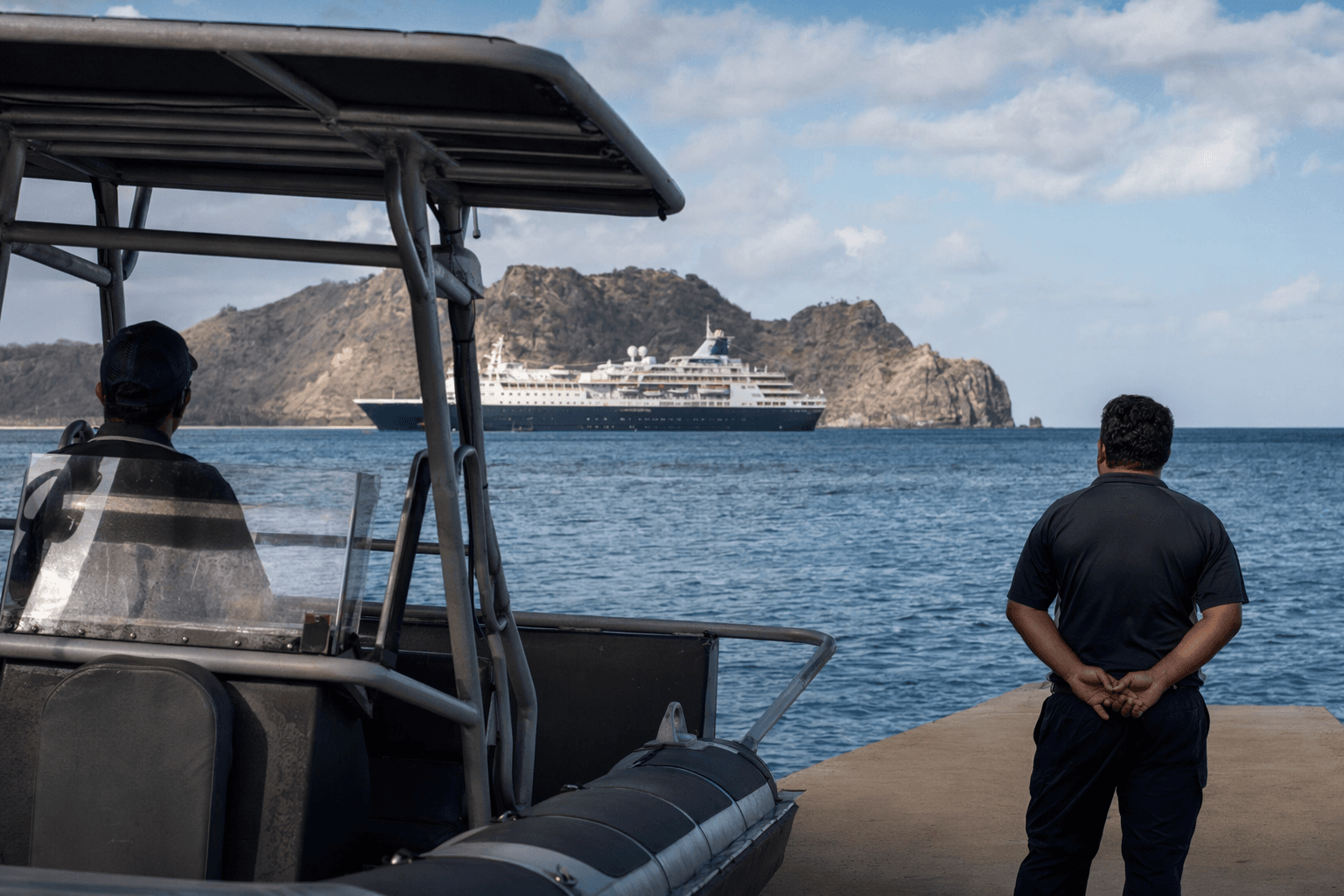
That isolation matters on an island whose residents are largely descendants of the HMS Bounty mutineers who settled there in 1790. In a place with so few people and so little spare capacity, even one suspected exposure can force a fast mix of quarantine, surveillance and contingency planning. The episode also shows how remote island communities can be pulled into a wider outbreak response with almost no warning.
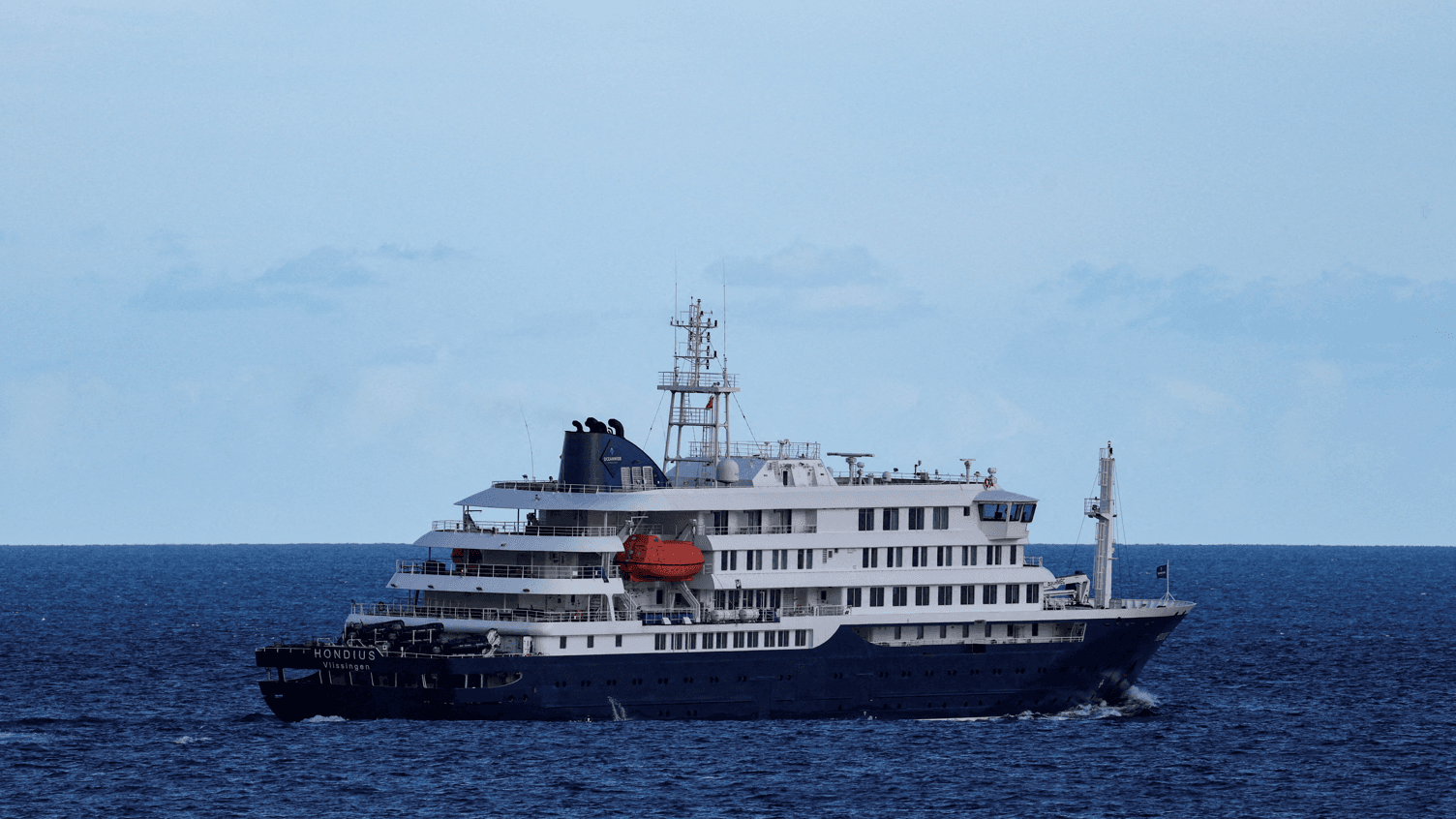
The broader crisis began on a Dutch-flagged cruise ship, the MV Hondius, which departed Ushuaia, Argentina, on April 1 and traveled through mainland Antarctica, South Georgia, Nightingale Island, Tristan da Cunha, Saint Helena and Ascension Island. The World Health Organization said the outbreak was first reported on May 2 and involved 147 passengers and crew. By May 4, it had counted seven cases, including two laboratory-confirmed infections, five suspected cases and three deaths. By May 8, the total had risen to eight cases, including three deaths and six laboratory-confirmed Andes virus infections.
WHO said the risk to the global population remained low, but the risk to passengers and crew was moderate. It recommended that evacuated passengers quarantine for at least 42 days and undergo daily health checks. The fallout has already crossed borders, with 10 Britons linked to the outbreak being brought to Britain to complete self-isolation. French authorities said one repatriated French passenger developed symptoms during the flight to Paris and later worsened in hospital, while U.S. officials said one evacuated American tested positive for hantavirus but had no symptoms.
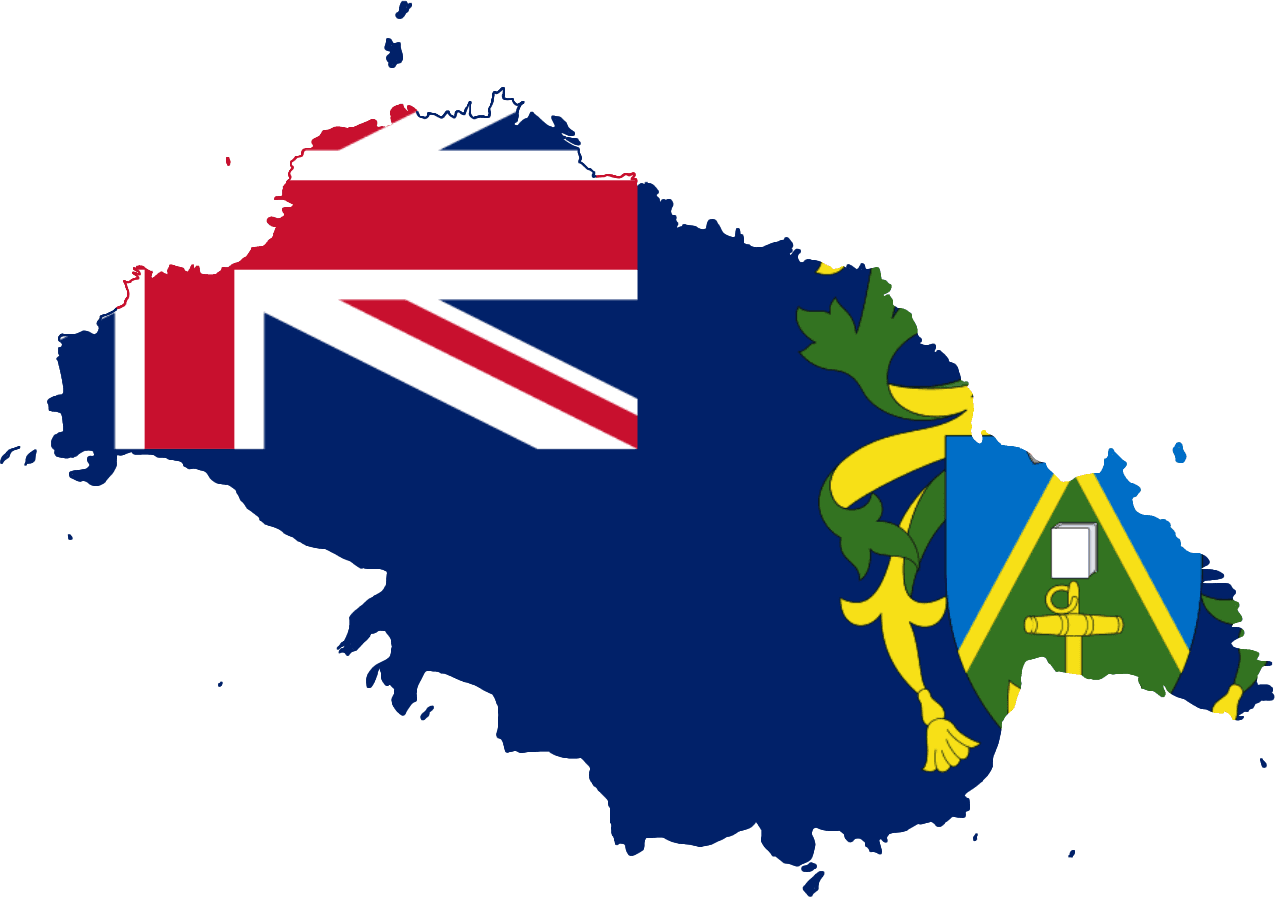
For Pitcairn, the challenge is not just one quarantined traveler. It is the reality that in the Pacific’s most isolated places, containment is inseparable from survival.
This article was produced by Prism’s automated news system from verified source data, official records, and press releases, then run through automated quality and moderation checks before publishing. The system is built and supervised by the people who set the standards it runs under. Read our full AI policy.
Did this article answer your question?