Pixi Garden brings interactive AR characters to iMessage
Pixi Garden pushed AR characters into iMessage, betting on on-device AI and Apple’s habits to make interactive messaging feel useful, not gimmicky.

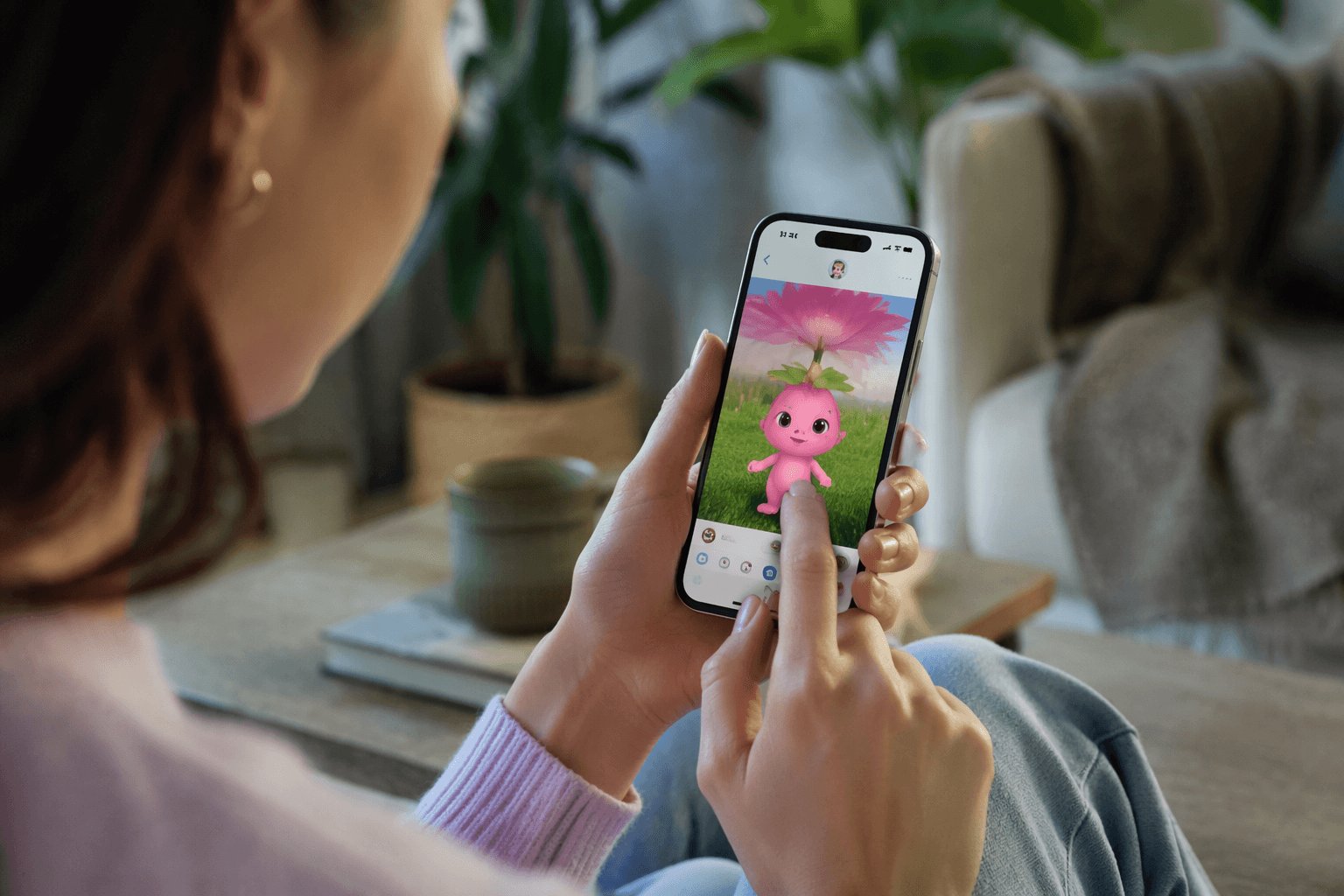
Pixi Platforms launched Pixi Garden on June 18, 2026, placing an intelligent AR character directly inside iMessage and asking users to treat messaging as a canvas for short performances rather than static replies. The app sends a “pixi” to friends and family from an iPhone, without a headset, and Pixi says the characters can respond to recipients and their surroundings, explore, tell a joke, guide a game or deliver a short message.
The startup is pitching that idea as “agentic media,” a mash-up of messaging, gaming, augmented reality and AI that it says could become a new layer for consumer software. Pixi’s longer-term aim is broader still: a marketplace where studios, brands and creators can license characters and distribute them as shareable interactive experiences. That ambition puts Pixi in the same category of platform bets that once tried to turn novelty into habit, except this time the battleground is Apple’s tightly managed messaging stack.
Pixi is based in Bend, Oregon, was founded in 2023 and lists two employees in PitchBook. It is backed by AI Fund and Newmay Ventures. The company says it is affiliated with Andrew Ng’s AI Fund, which helped develop the machine-learning technology behind the product, and AI Fund describes Pixi as a way to create intelligent, 3D animated characters on a modern smartphone and send them to friends. Mark Drummond, Pixi’s co-founder and chief executive, previously worked at Apple and DreamWorks Animation, and Pixi says he led Apple’s Character Intelligence Team.
The product’s biggest test is not technical novelty but whether it solves a real user problem. Apple Messages already has stickers, Memoji, GIFs, Tapbacks, polls, iMessage apps and Quick Look AR previews of USDZ objects. That means Pixi is entering a crowded lane where expressive tools are already one tap away. To win, Pixi Garden has to justify the extra friction of creating and sending an AR character, then persuade people that a floating animated skit is more compelling than the defaults they already use every day.
Pixi is trying to blunt one of the oldest objections to consumer AR by keeping visual and audio processing on-device, which it says protects privacy. That matters because messaging lives inside intimate social routines, where any sense of surveillance can kill adoption quickly. The launch also comes as Apple’s WWDC 2026 keynote on June 8 underscored how much of the next software cycle is converging on AI, messaging and AR inside the iPhone. Pixi’s bet is that the next habit will not require a headset at all, only a familiar app, a trusted sender and a character worth opening.
This article was produced by Prism’s automated news system from verified source data, official records, and press releases, then run through automated quality and moderation checks before publishing. The system is built and supervised by the people who set the standards it runs under. Read our full AI policy.
Did this article answer your question?