Plymouth residents return home after WWII bomb detonated safely
More than 1,200 Plymouth homes were evacuated after a 250kg WWII bomb was detonated safely, exposing how wartime danger still disrupts daily life.
Residents in Plymouth were allowed back home after military specialists carried out a controlled detonation of an unexploded Second World War bomb found on a building site in Southway, ending a tense evacuation that spread across more than 1,200 homes. The device, identified by Plymouth City Council as a 250kg German SC250 bomb, had been discovered on Flamborough Road. Royal Navy and British Army bomb disposal experts concluded that one fuse could not be definitively X-rayed, leaving the bomb too unstable to move safely.
A 400-meter cordon remained in place around the site while emergency services secured the area. The council said specialists built a sand mitigation structure to reduce the effect of the blast, and a no-fly zone was enforced so drones were not permitted overhead. The detonation took place in the morning and sent a loud bang across the city, but officials later said the bomb had been made safe and safety inspections were complete, allowing the cordon to be lifted and residents to return.
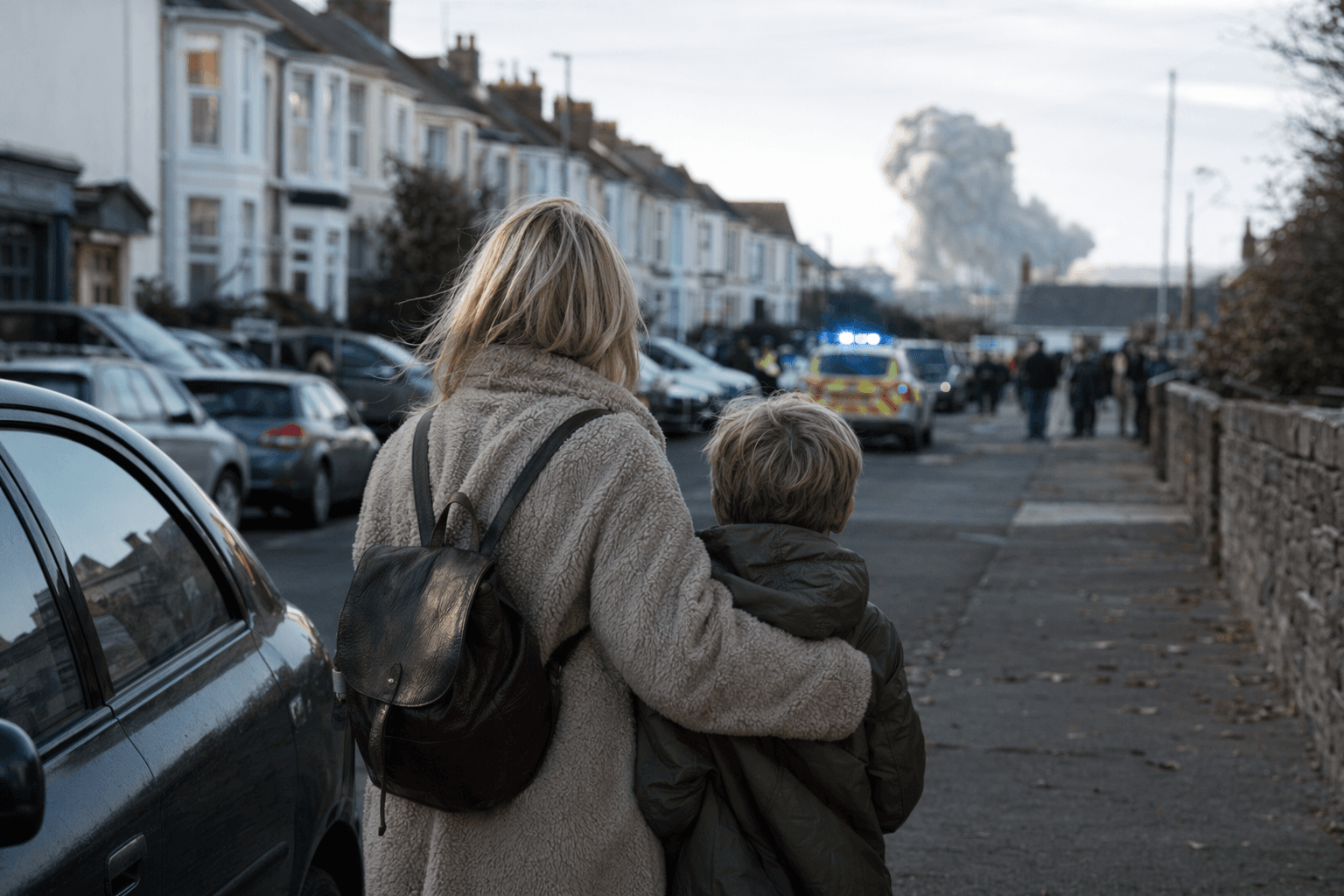
Southway Youth and Community Centre was opened as an evacuation centre, where more than 50 residents were helped and 25 households were placed in temporary accommodation. Oakwood Primary School, Little Acorns Pre-School and Beechwood Primary School were closed during the operation, while Southway GP surgery and Well Pharmacy were later able to reopen. The council said no compensation would be offered for personal expenditure or lost revenue linked to the evacuation, instead pointing affected people toward the evacuation centre, helpline and mental-health support.
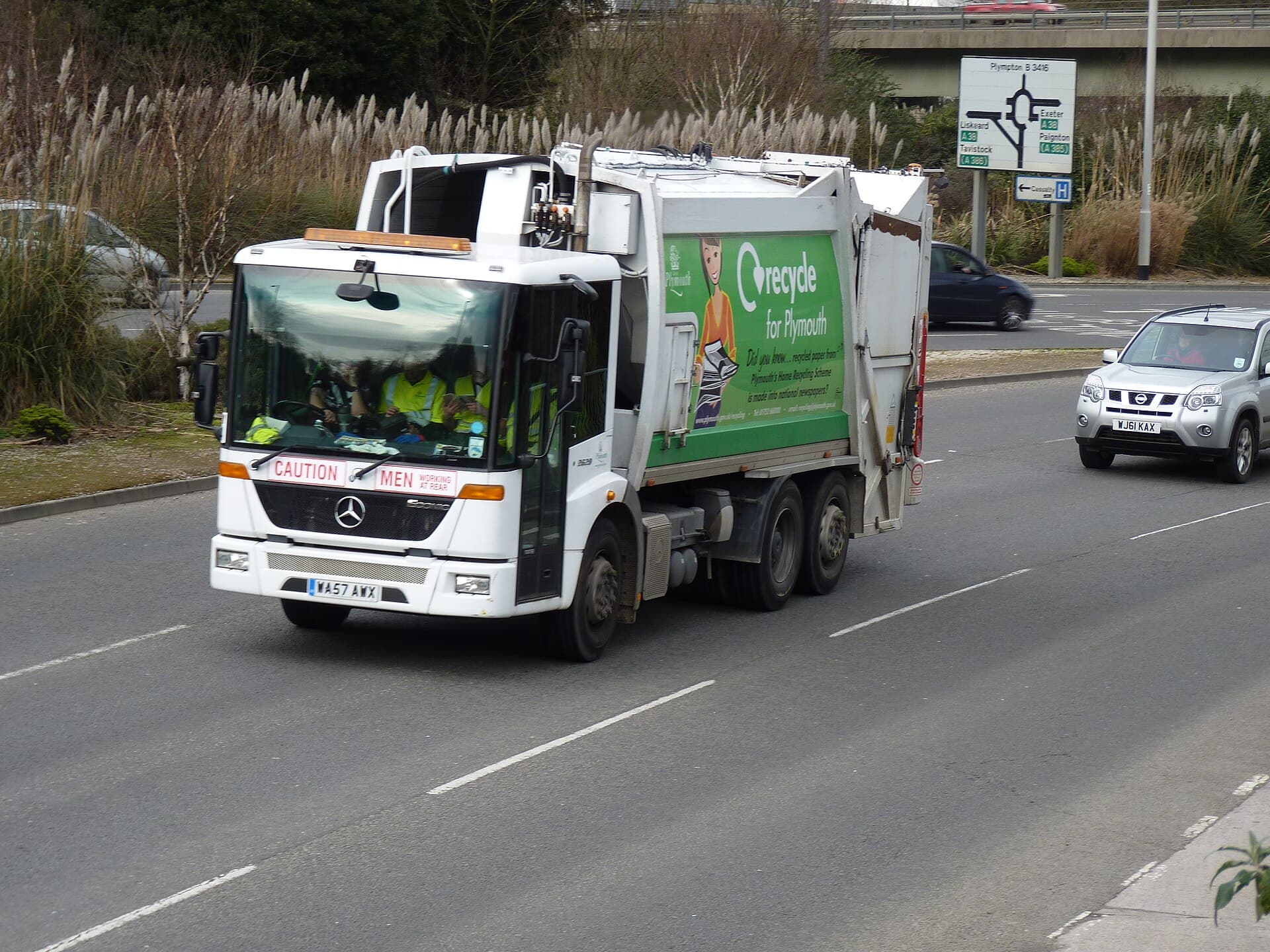
The incident laid bare how the legacy of war still shapes civilian life in Plymouth. City records show the first air raid alert sounded at 12.45am on 30 June 1940, and the first bombs fell on 6 July 1940 on Swilly Road, killing three civilians. Between July 1940 and April 1944, Plymouth endured 59 bombing raids and 602 air-raid alerts, with more than 6,000 general-purpose bombs and 205,000 incendiary bombs dropped during the heaviest nights in March and April 1941.
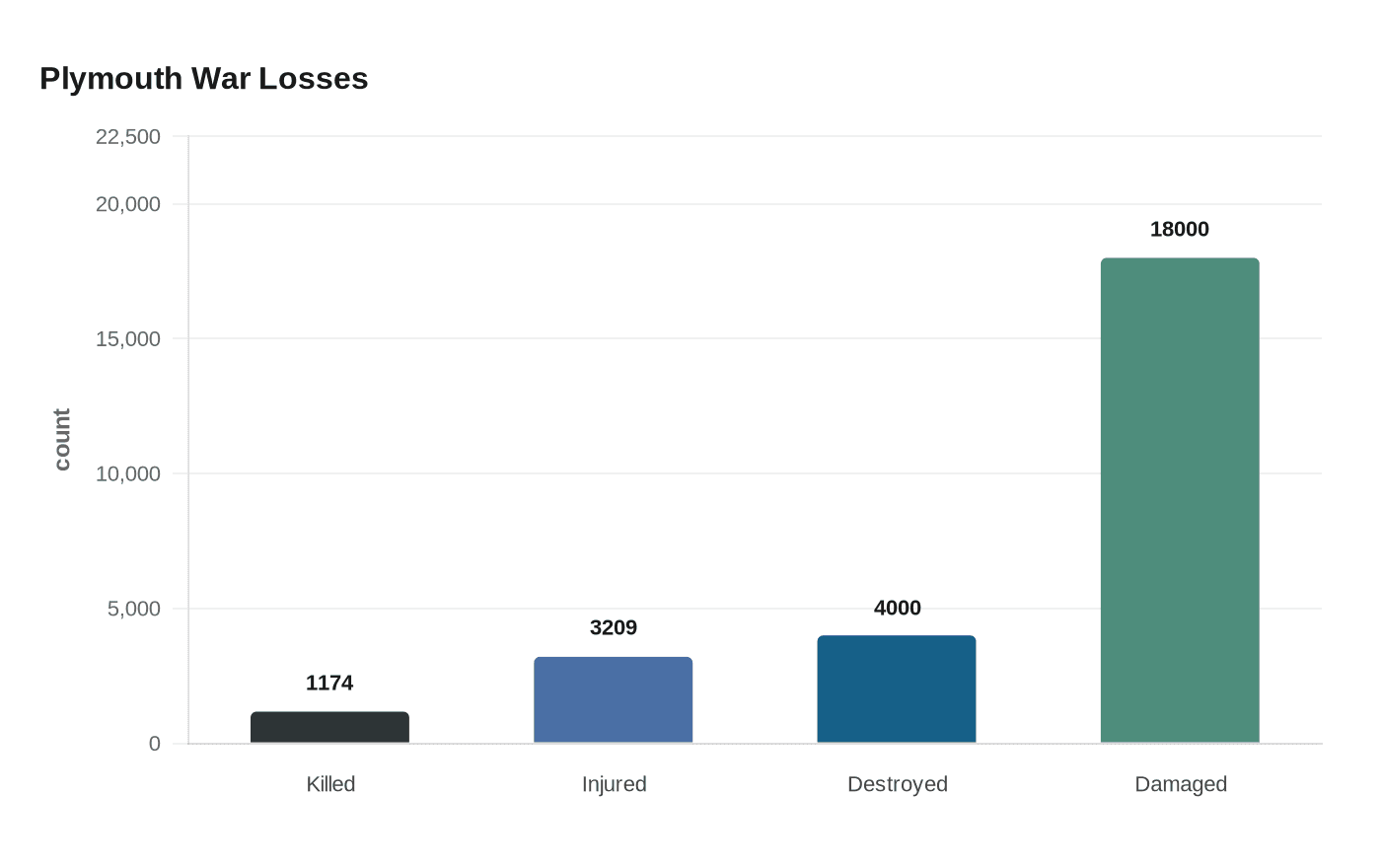
Plymouth City Council says 1,174 civilians were killed and 3,209 injured in the war, while more than 4,000 properties were destroyed and 18,000 damaged. The city lost two main shopping centres, two guildhalls, a theatre, six hotels and eight cinemas, and discoveries like the bomb in Southway show that the costs of that destruction still reach into modern neighborhoods. Sally Haydon thanked residents for their patience and praised the bomb disposal teams for their professionalism and willingness to take on the risk.
This article was produced by Prism’s automated news system from verified source data, official records, and press releases, then run through automated quality and moderation checks before publishing. The system is built and supervised by the people who set the standards it runs under. Read our full AI policy.
Did this article answer your question?


