Trump Launches Naval Escort to Free Stranded Ships in Hormuz
Trump ordered a naval escort out of Hormuz, a move aimed at stranded neutral ships but one that could jolt oil prices and raise the risk of direct confrontation with Iran.
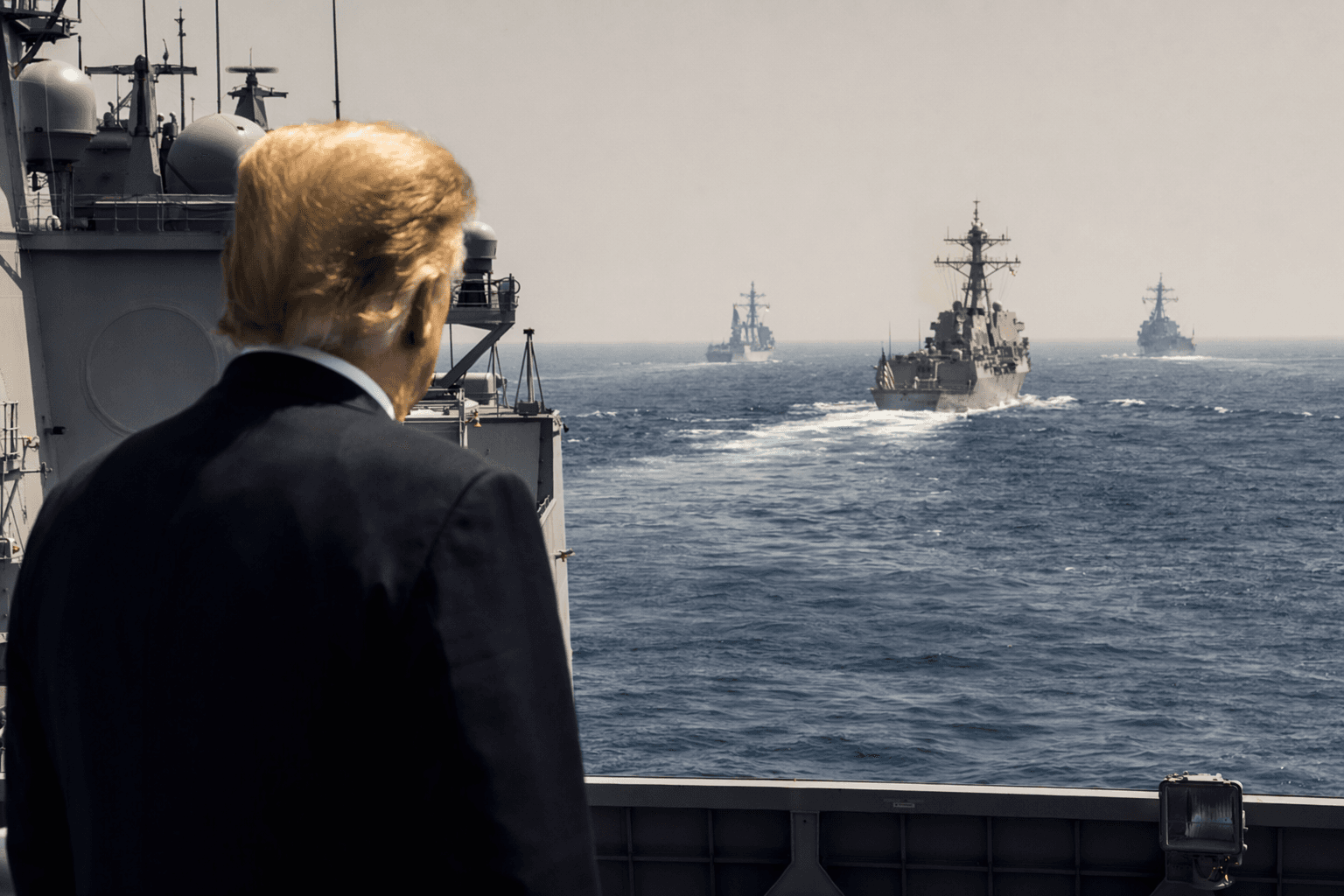
Trump ordered the U.S. to begin guiding ships out of the Strait of Hormuz on Monday morning, casting the operation as a humanitarian gesture for countries “that have done absolutely nothing wrong” but whose crews have been stranded for weeks. The plan is aimed at neutral vessels trapped in or near the Persian Gulf, and Trump said any interference would be met forcefully.
The stakes go well beyond the waterway itself. The Strait of Hormuz is one of the world’s most critical oil transit chokepoints, and the U.S. Energy Information Administration says about 20 million barrels per day of oil and petroleum products moved through it in 2024, equal to roughly 20% of global petroleum liquids consumption. The International Energy Agency said the strait carried an average of 20 million barrels per day in 2025, underscoring how quickly any disruption can spill into global fuel markets and American household costs.
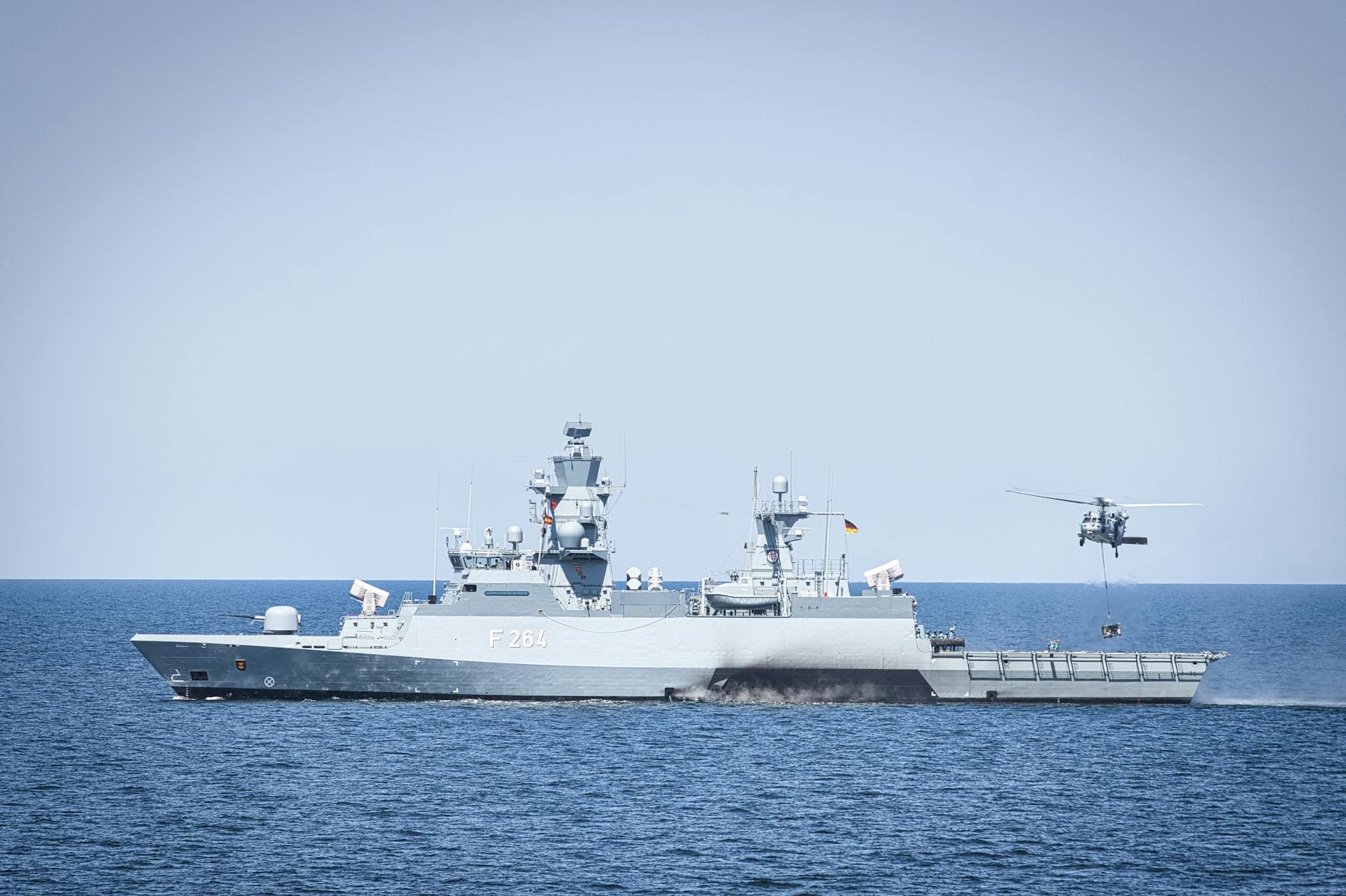
The passage is narrow and vulnerable. At its tightest point, the strait is just 29 nautical miles wide, with two-mile-wide shipping lanes and very few realistic alternatives if traffic is shut down. That geography helps explain why market reports have already tied the disruption to higher oil prices and shipping delays, with ships stranded and Gulf supplies delayed as vessels wait for a safe route.
The move also puts the U.S. Navy close to the edge of a broader confrontation. Hormuz has long been a flashpoint in Iran-U.S. tensions, and Iran has repeatedly threatened to shut the strait since the 1979 Iranian Revolution. The sharpest historical precedent remains the 1980s Tanker War, when attacks on shipping turned the waterway into a major combat zone.
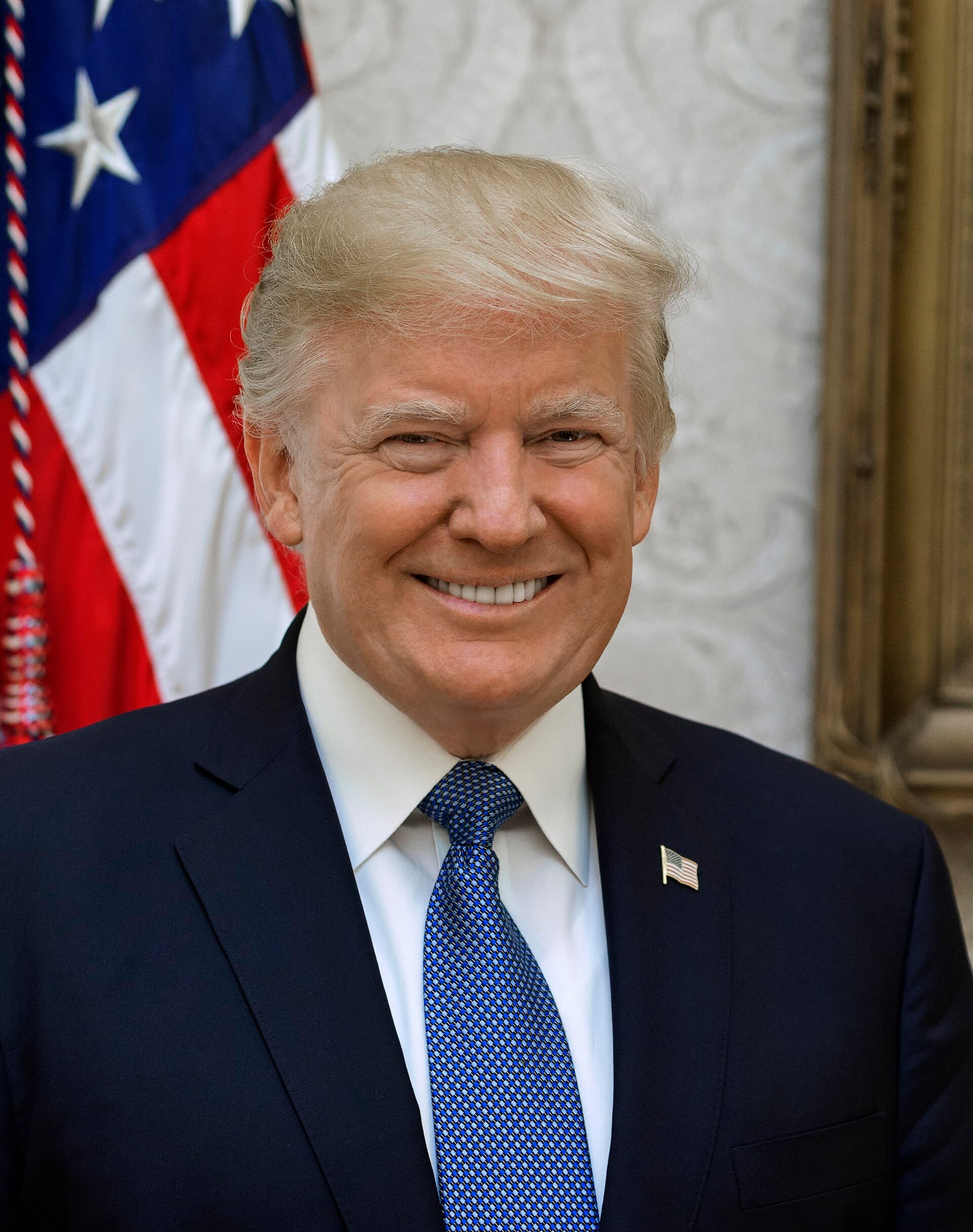
Trump’s framing of the mission as humanitarian is designed to suggest restraint, but the mechanics of an escort operation tell a harder story. If U.S. ships are shepherding foreign commercial traffic through a contested choke point, the Navy is no longer just signaling presence. It is putting American forces between commercial shipping and whatever threat is keeping those vessels stranded, with the danger that a rescue mission could turn into direct fire if Iran or one of its proxies chooses to test it.
Sources:
Know something we missed? Have a correction or additional information?
Submit a Tip