Venezuela raises minimum income to $240, pensions to $70 a month
The new $240 floor looks larger than it is: it folds in bonuses, leaves the legal wage frozen, and still falls far short of food costs and pensions.
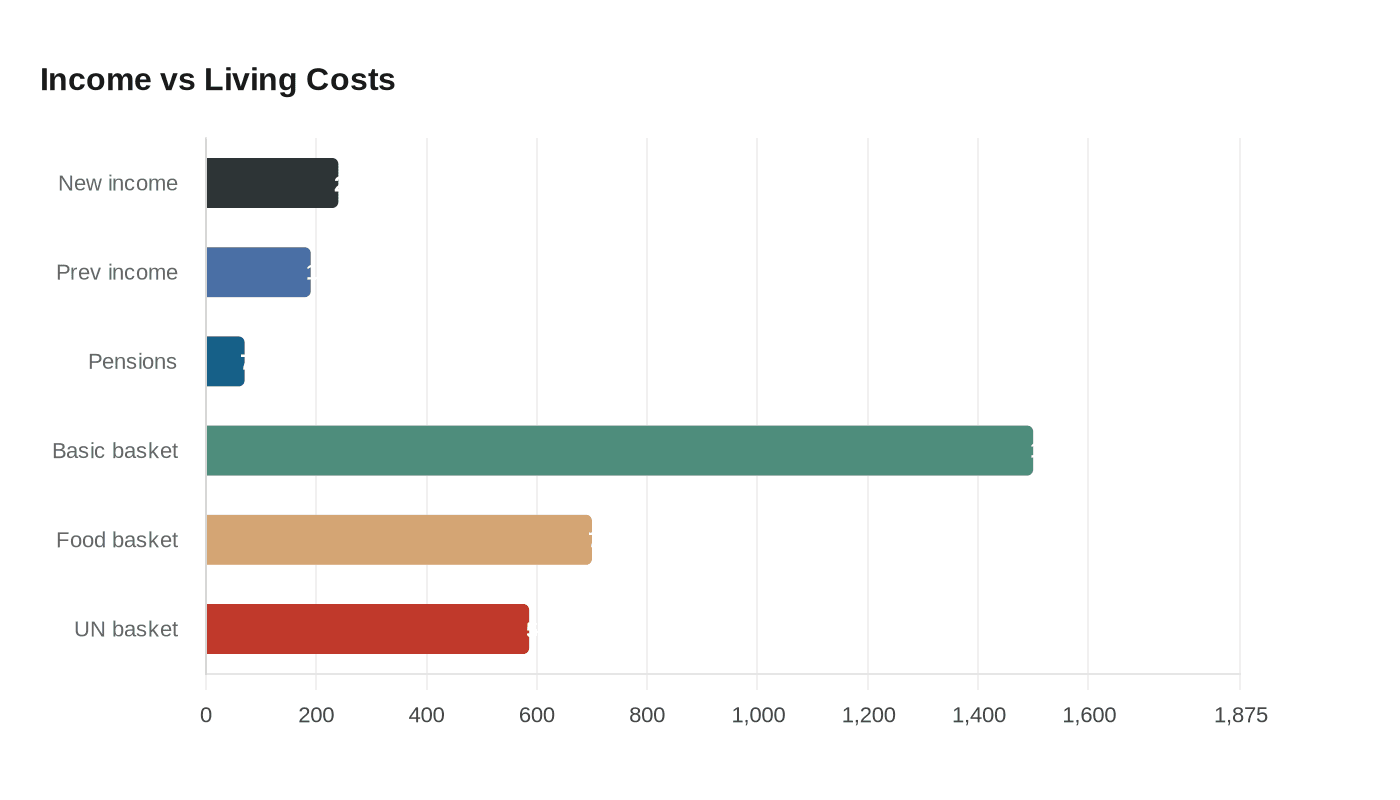
Venezuela’s latest income increase was more nominal than transformative. The monthly minimum income rose to the equivalent of $240 and pensions to $70, but the country’s legal minimum wage stayed frozen at 130 bolívares, unchanged since March 2022, and the headline figure included state bonuses as well as salary.
Delcy Rodriguez announced the package in Caracas on April 30, with the change taking effect May 1. She presented it as a response to prolonged inflation and currency depreciation, and urged private employers to match the new floor where workers earn less. The government said the adjustment applied to both public and private sector workers, but it was not a straight wage hike. The broader income scheme combines base pay and cash bonuses, which means the amount people can count on in regular salary is lower than the $240 figure suggests.
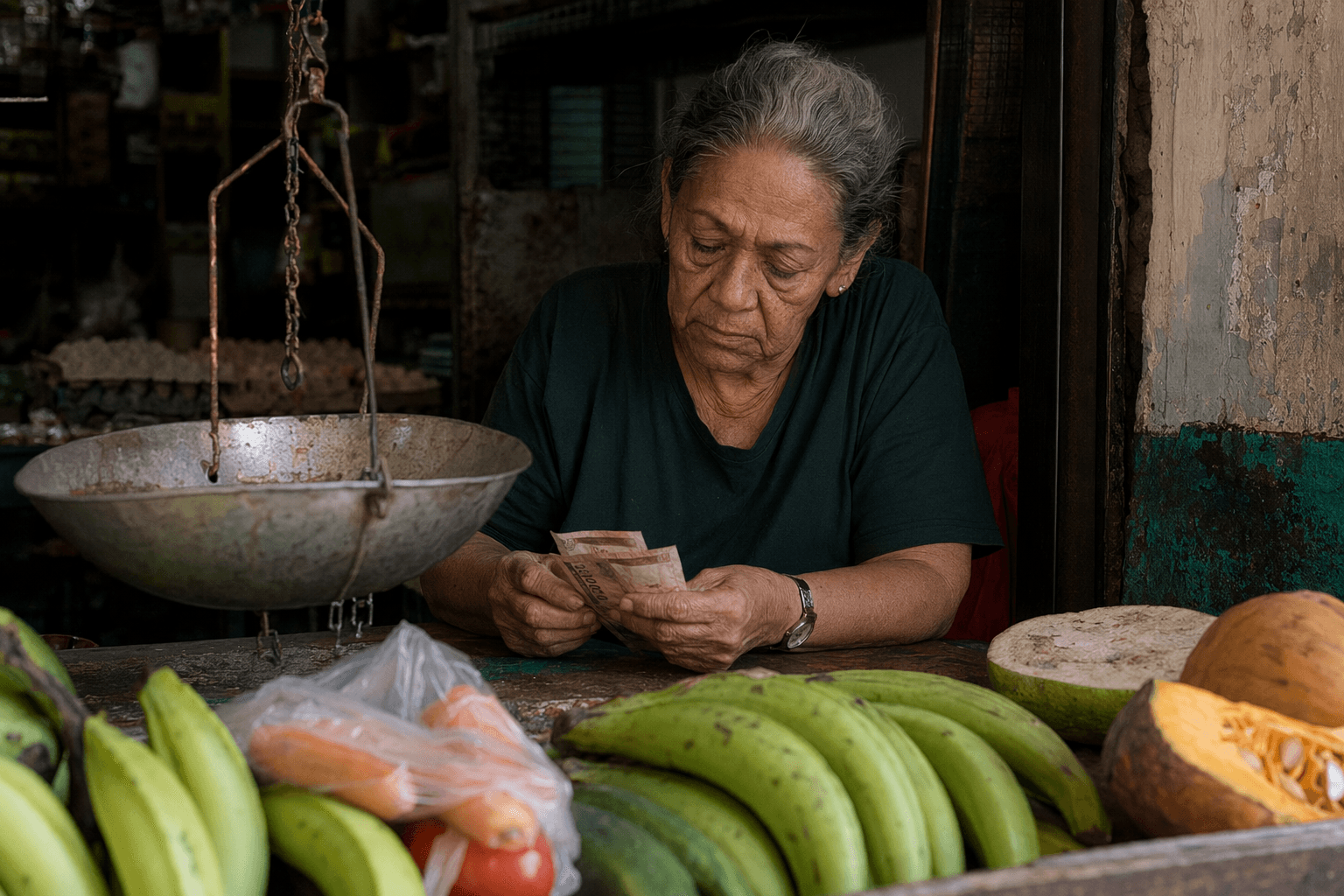
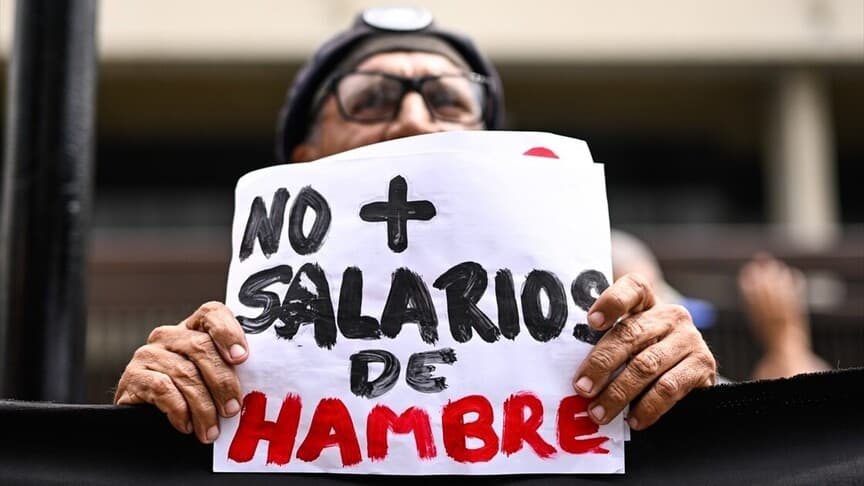
That distinction matters in a country where prices move faster than paychecks. The new figure was a 26% increase from the previous comprehensive minimum income of $190 a month, but it still sits far below the cost of basic necessities. Protesters in Caracas had already been saying as much. On April 9, union leaders, retirees and public-sector workers marched toward the presidential palace demanding higher wages and dignified pensions, before police blocked the protest. They pointed to a basic basket costing around $1,500 and a food basket around $700, both far beyond what most workers and retirees receive.
Independent humanitarian and labor monitoring has drawn the same conclusion. FEWS NET said in March that stressed food insecurity would remain widespread through September because high inflation, local-currency volatility and elevated food prices continued to erode purchasing power. The United Nations Office for the Coordination of Humanitarian Affairs estimated the cost of a basic food basket for a family of five at $586 in 2026, still out of reach for households reliant on fixed incomes in local currency. UN human-rights chief Volker Türk also urged Venezuelan authorities in March to guarantee adequate salaries and pensions that cover basic needs.
The new income floor may ease some political pressure and give the government a symbolic victory on the eve of International Workers’ Day, but it does not close the gap between official pay and daily survival. With the bolívar under strain and the bonus-heavy system leaving key labor benefits tied to a stagnant base wage, workers and retirees remain trapped between a rising headline and stubbornly unaffordable prices.
This article was produced by Prism’s automated news system from verified source data, official records, and press releases, then run through automated quality and moderation checks before publishing. The system is built and supervised by the people who set the standards it runs under. Read our full AI policy.
Did this article answer your question?


