Poland scrambles jets, escorts Russian reconnaissance plane over Baltic Sea
Polish fighter jets intercepted and escorted a Russian reconnaissance aircraft near Polish airspace this morning, while authorities reported dozens of objects entering from Belarus overnight, prompting temporary airspace closures in the northeast. The twin incidents underscore rising tensions on NATO’s eastern flank, with potential consequences for defense policy and regional security preparedness.
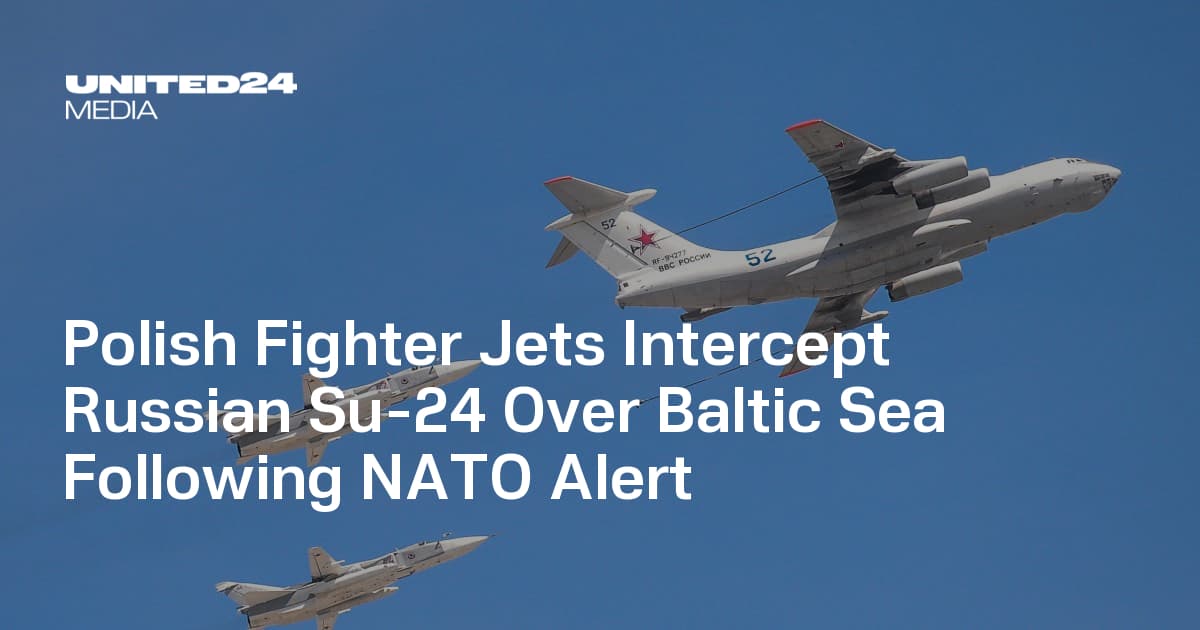
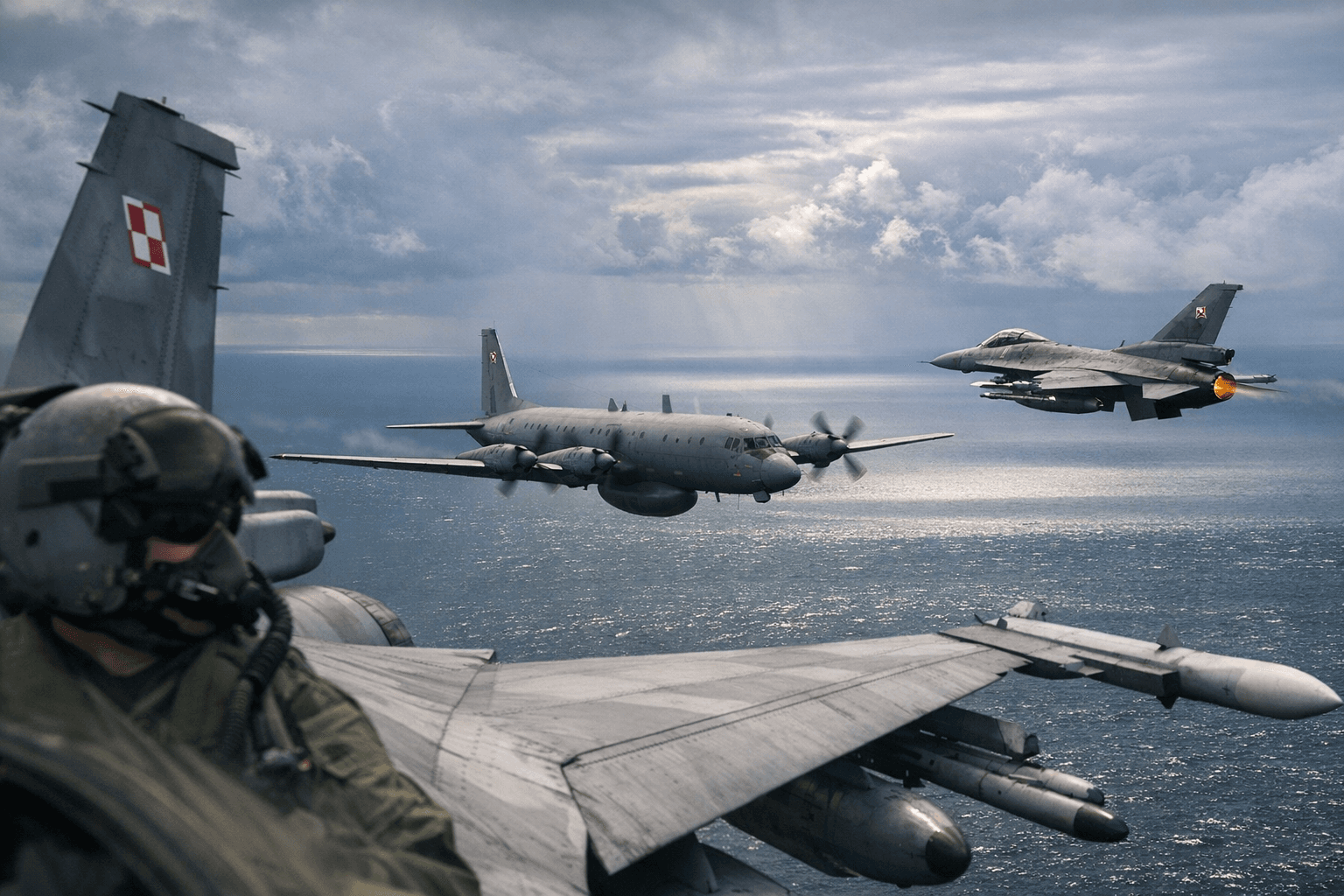
Polish fighter jets scrambled this morning intercepted and escorted a Russian reconnaissance aircraft flying over international waters of the Baltic Sea close to Poland’s area of responsibility. The Operational Command of the Polish Armed Forces said the plane was visually identified and escorted from their area of responsibility, and that there was no reported violation of Polish sovereign airspace.
The military described the action as routine air policing within NATO responsibilities, while Warsaw’s National Security Bureau is monitoring the broader pattern of air incursions and cross border activity. Polish Defense Minister Wladyslaw Kosiniak Kamysz posted on X that “All provocations over the Baltic Sea and near the border with Belarus were under the full control of the Polish Army.”
Separately, overnight authorities reported that dozens of objects were observed entering Polish airspace from the direction of Belarus. Initial analysis by Polish agencies concluded that the objects were most likely smuggling balloons moving according to wind direction and speed. As a precaution parts of the airspace over the Podlaskie region in northeast Poland were temporarily closed to civilian traffic while security forces assessed radar tracks and intelligence reports.
Poland said air defense forces remain on constant alert and that the situation is being continuously monitored. The Operational Command framed both the intercept and the monitoring of the border incursion as part of routine readiness and control of Poland’s area of responsibility. Officials did not provide specific details on the Russian platform identified or the exact number and nature of the objects beyond the general assessment.
The incidents come amid a year of heightened vigilance along NATO’s eastern flank. Earlier episodes this year included an instance when three Russian military jets entered Estonian airspace for about 12 minutes, and a separate episode when more than 20 unmanned aerial vehicles entered Polish airspace. Polish officials have described a pattern of hybrid pressure that combines airspace probes, GPS interference, drone sightings and smuggling operations along the eastern border.
For markets and policy makers the immediate reaction is likely to be limited, but sustained pressure on the border could have measurable effects. Persistent incidents tend to strengthen the political case for higher defense spending and accelerated procurement of surveillance and air defense systems. For Poland that could mean further increases in defense budgets and additional NATO air policing resources deployed in the Baltic region. Over time increased defense expenditures can lift revenues for domestic and European defense contractors while adding to fiscal pressures on national budgets.
Key follow ups include confirmation of the type and registration of the Russian aircraft, precise counts and radar records for the objects from Belarus, any formal response from Belarus or Russia and the duration and civilian impact of airspace restrictions over Podlaskie. NATO and Warsaw will be watching whether these episodes mark tactical probing or a longer term escalation of hybrid tactics along the alliance eastern frontier.
This article was produced by Prism’s automated news system from verified source data, official records, and press releases, then run through automated quality and moderation checks before publishing. The system is built and supervised by the people who set the standards it runs under. Read our full AI policy.
Did this article answer your question?


