Polestar owners worry about service and resale as U.S. sales face ban
A federal connected-vehicle rule could stop Polestar’s new U.S. sales in 2027, leaving owners focused on repairs, parts and resale.
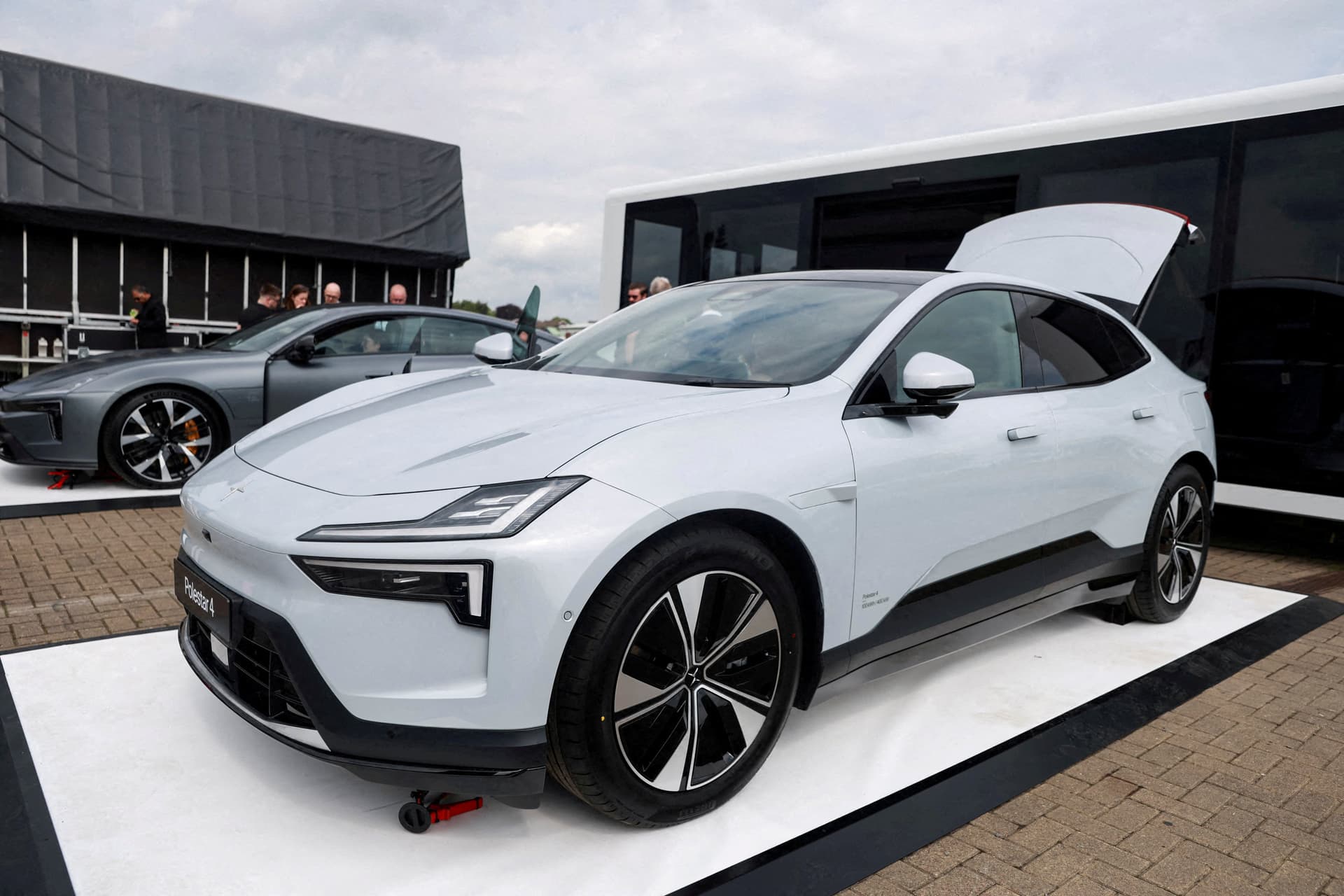
Polestar faces a U.S. sales cutoff beginning with model year 2027 under the Commerce Department’s Connected Vehicles rule, and the immediate concern for drivers is not the company’s pipeline but what happens after the sale. For owners of a newer EV brand with a relatively small American footprint, the practical questions are simple: who will fix the car, where will the parts come from, and what will it be worth if new sales dry up.
Ryan Rodriguez, who bought a 2024 Polestar, said the future of the car in the United States had not been clear to him when he made the purchase. His concern reflects a wider fear among electric-vehicle buyers, who often depend on a narrower network of specialized service centers than mainstream gas-car owners. Polestar says its U.S. service network reaches hundreds of service points, and that Polestar Assistance offers 24/7 help and roadside support when a problem cannot be solved remotely. Its service locator also lists service points and certified collision centers, showing the brand already has a support structure that owners may lean on if new-car sales stall.

The policy behind the risk is explicit. The Commerce Department’s rule says that, starting with the 2027 model year, sales of connected vehicles will be barred if the manufacturer is owned by, controlled by, or subject to the jurisdiction or direction of China or Russia, and if the vehicles use covered software. Polestar, which is owned by Geely Holding, sits squarely in the line of fire. Even if current inventory can still move through dealers, the larger issue for owners is how long a U.S. service network can remain robust if the brand’s sales base shrinks.
Polestar’s own numbers show the company is still trying to build scale. It reported estimated first-quarter 2026 retail sales of 13,126 cars, up 7% from the same period a year earlier, and said it had 230 retail sales points globally at the end of the quarter, up from 154 a year earlier. The company also said its cash position was $676 million at the end of the quarter and that four new models are planned over the next three years. In the United States, though, one report put Polestar at about 100 employees and 32 dealers, a modest network for a brand whose owners are now being asked to trust its long-term presence.

The contrast with Volvo Cars sharpened the uncertainty. Volvo won U.S. approval in May 2026 to keep selling vehicles with connected technology, while Polestar was denied authorization under the same broad policy framework. For buyers, that gap turns a regulatory dispute into a consumer-risk problem, with resale value, warranty support and parts access now part of the price of ownership.
This article was produced by Prism’s automated news system from verified source data, official records, and press releases, then run through automated quality and moderation checks before publishing. The system is built and supervised by the people who set the standards it runs under. Read our full AI policy.
Did this article answer your question?