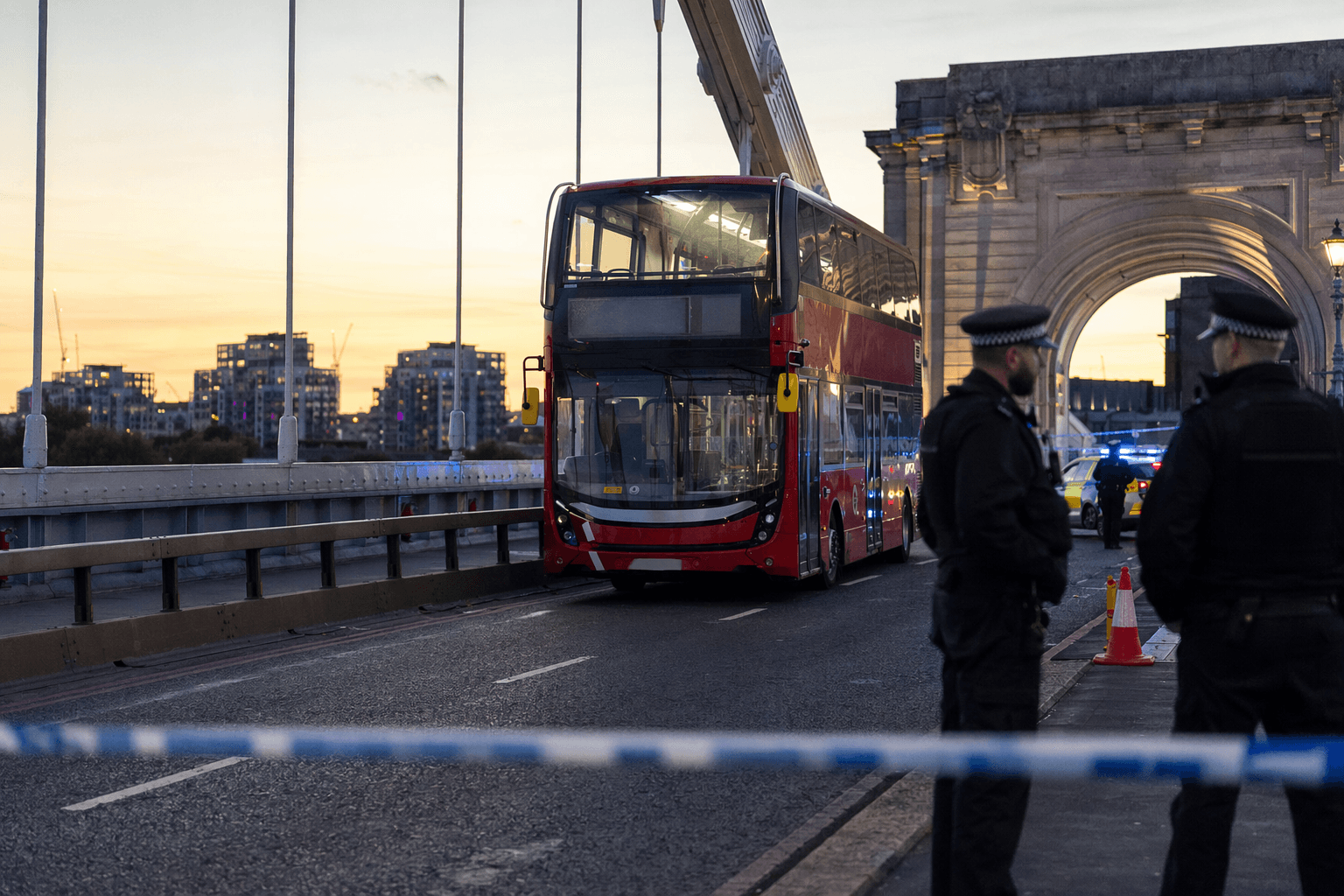
Police seek charges against 57 people in Grenfell fire case
Police will ask prosecutors to examine criminal charges for 57 people and 20 organizations, nearly nine years after Grenfell killed 72 residents.

British police moved the Grenfell Tower case into its next, and most consequential, phase on May 19, 2026, saying they would seek criminal charging consideration for 57 people and 20 organizations in a disaster that killed 72 residents, including 18 children.
The Metropolitan Police said it expected to send all of its charging files to the Crown Prosecution Service by the end of September 2026, with final charging decisions due by June 14, 2027, the 10th anniversary of the fire. The scale of the investigation underscores why accountability has taken so long: detectives have examined 15,000 individuals and 700 organizations, collected 165 million electronic files, taken 14,400 statements and stored more than 27,000 exhibits in a warehouse, including cladding, insulation, doors, windows, screws and bolts.
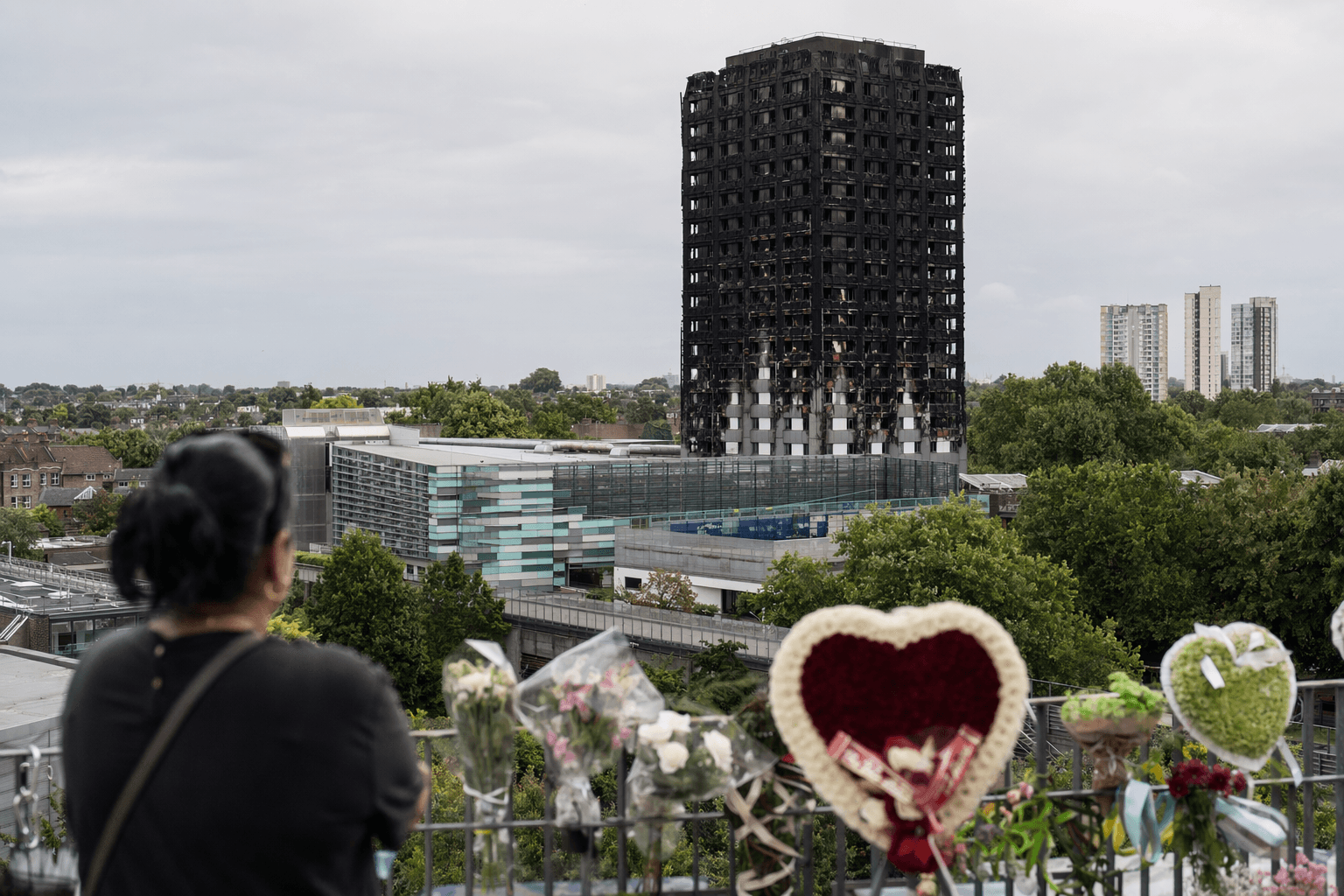
The fire began on June 14, 2017, in a fourth-floor apartment and raced up the 25-story public housing tower in Kensington, London, after combustible cladding on the exterior walls helped feed the flames. The deaths exposed not only catastrophic failures inside the tower but also the weakness of the wider system meant to keep high-rise residents safe. The police said their team had grown to 220 investigators as the case broadened into one of the largest ever handled by any UK law enforcement agency.
If prosecutors proceed, the list of potential offenses is wide-ranging. Police said they are examining possible corporate manslaughter, gross negligence manslaughter, misconduct in public office, fraud and health and safety breaches, a sign that the case could reach both individuals and companies. The Metropolitan Police also said it had already sent 15 of 20 files to the CPS and completed 10 of 14 overarching evidence files, while beginning plans for a replica of parts of the tower to help future juries understand the evidence.
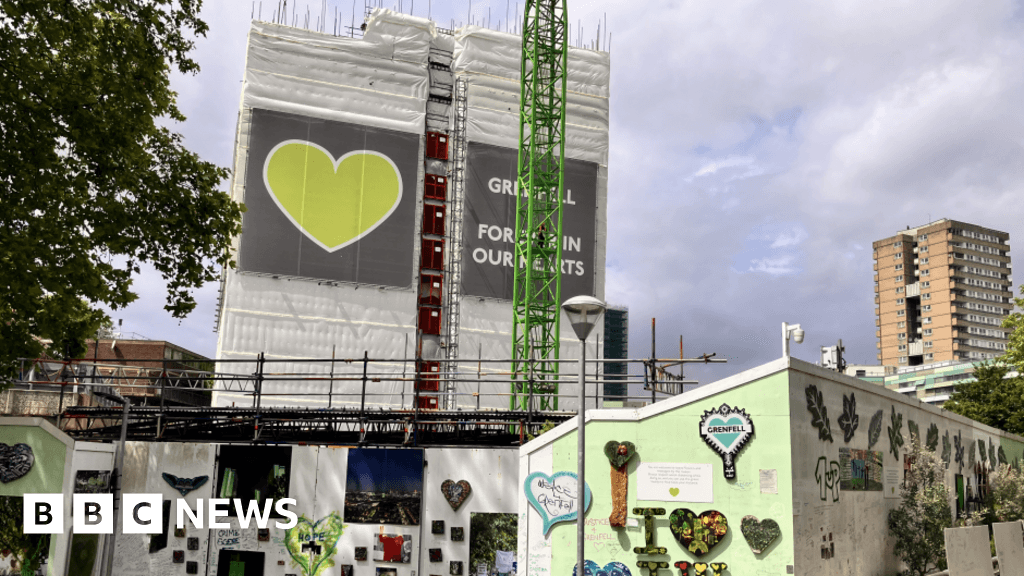
The latest police step follows the Grenfell Tower Inquiry’s final report, published on September 4, 2024, which concluded the deaths were avoidable and that the fire was the culmination of decades of failure by central government and the construction industry to act on the danger of combustible materials in external walls. The inquiry said dishonest companies, unsafe materials and failures by regulators all contributed to the disaster, and its record repeatedly focused attention on firms including Arconic, Kingspan and Celotex.
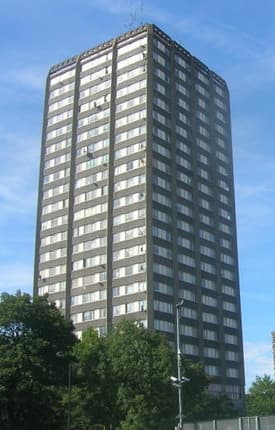
For bereaved families and survivors, the move is a test of whether a national trauma can finally become individual accountability. Grenfell United has warned that no family should have to wait more than 10 years for justice, and the CPS has said it needs time to thoroughly evaluate the evidence before making decisions. After years of criticism that Grenfell exposed systemic failures in housing safety and regulation, the question now is whether the criminal case can restore any measure of public trust.
Know something we missed? Have a correction or additional information?
Submit a Tip