Pop Mart revenue jumps 75%, but margin pressure grows
Pop Mart’s first-quarter revenue surged as much as 80%, but higher raw materials and fuel costs signaled a harder test ahead for Labubu’s profit engine.
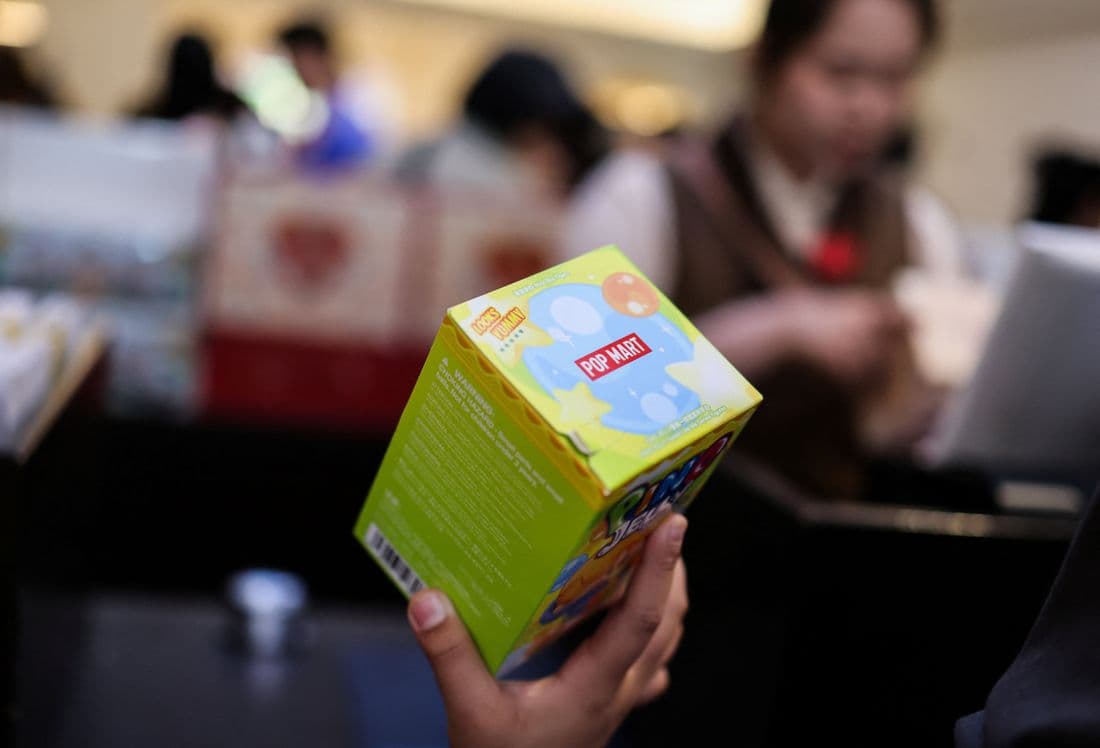
Pop Mart posted another blistering revenue gain in the first quarter, but the Beijing company’s latest update also pointed to a tougher margin picture as the costs behind its viral Labubu business began to climb. The Hong Kong-listed shares fell 2.9% after the announcement, a sign that investors were weighing not just the top-line surge but the risk that explosive growth may be getting harder to sustain.
Revenue rose 75% to 80% from a year earlier, a pace that still beat expectations in China even as overseas momentum cooled. Pop Mart’s rise has been powered by Labubu, the toothy-grinned character that has turned into a fashion accessory, a social-media staple and the company’s biggest sales engine. But executives warned analysts that higher raw-material prices were squeezing production, while fuel costs were pressuring the international business.
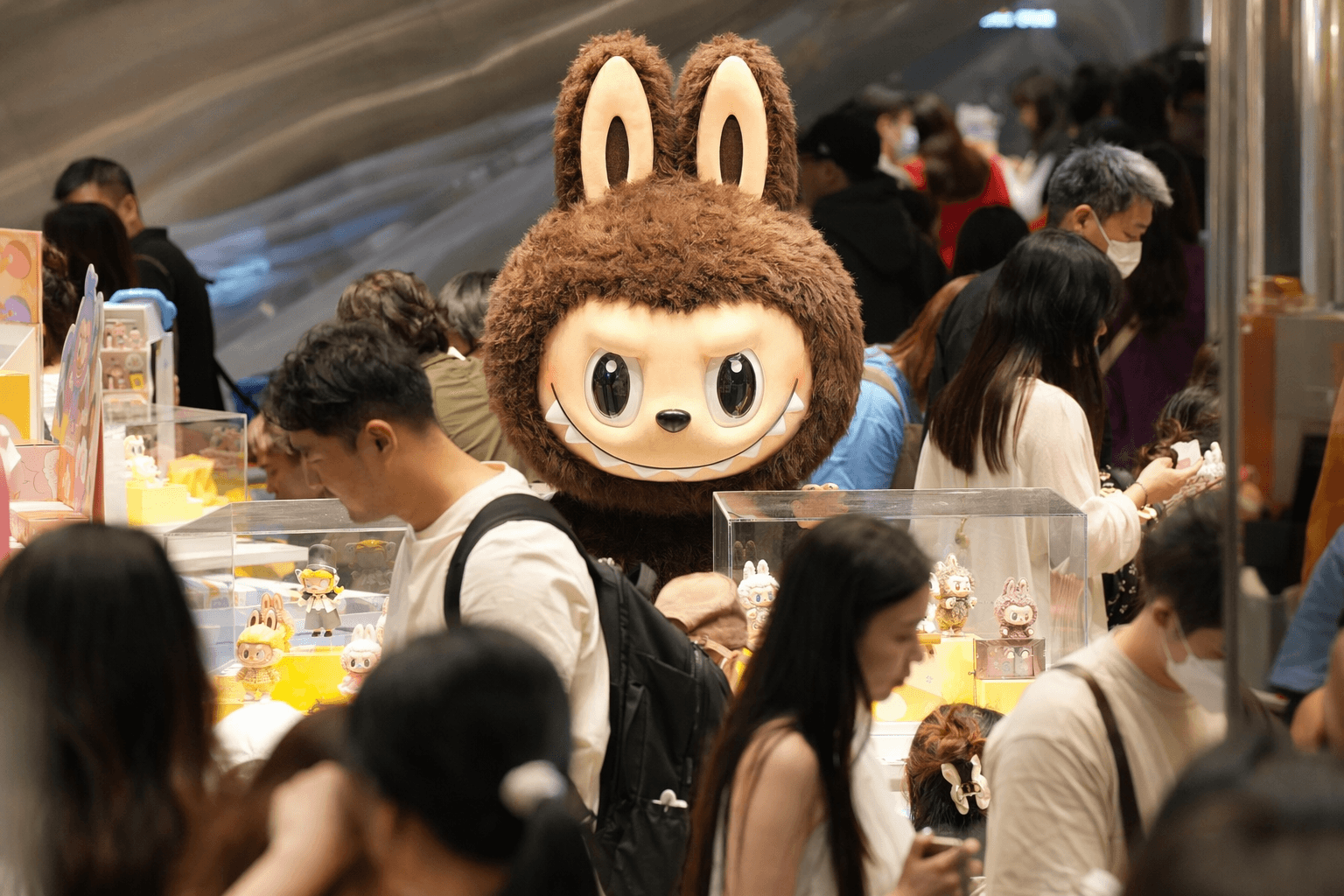
That combination matters because Pop Mart has built its brand on scarcity, licensing and rapid cultural spread. The company said it wanted more linear, healthier growth this year rather than the kind of explosive expansion that made it one of China’s most closely watched consumer names. Newer collaborations, including Labubu-branded World Cup tie-ins, continued to draw demand, but the secondary market for some fresh releases has cooled, raising questions about how long the craze can keep delivering the same returns.
Pop Mart is trying to answer that by moving well beyond blind-box toys. A Labubu movie is in development, and POP LAND, its Beijing theme park, recently opened an expanded version after being continuously upgraded with more immersive theme activities since opening in September 2023. The company describes itself as a character-based entertainment business spanning designer toys, retail, theme parks, experiences and digital entertainment, a framing that shows how much it wants Labubu to become an intellectual property franchise rather than a one-product fad.
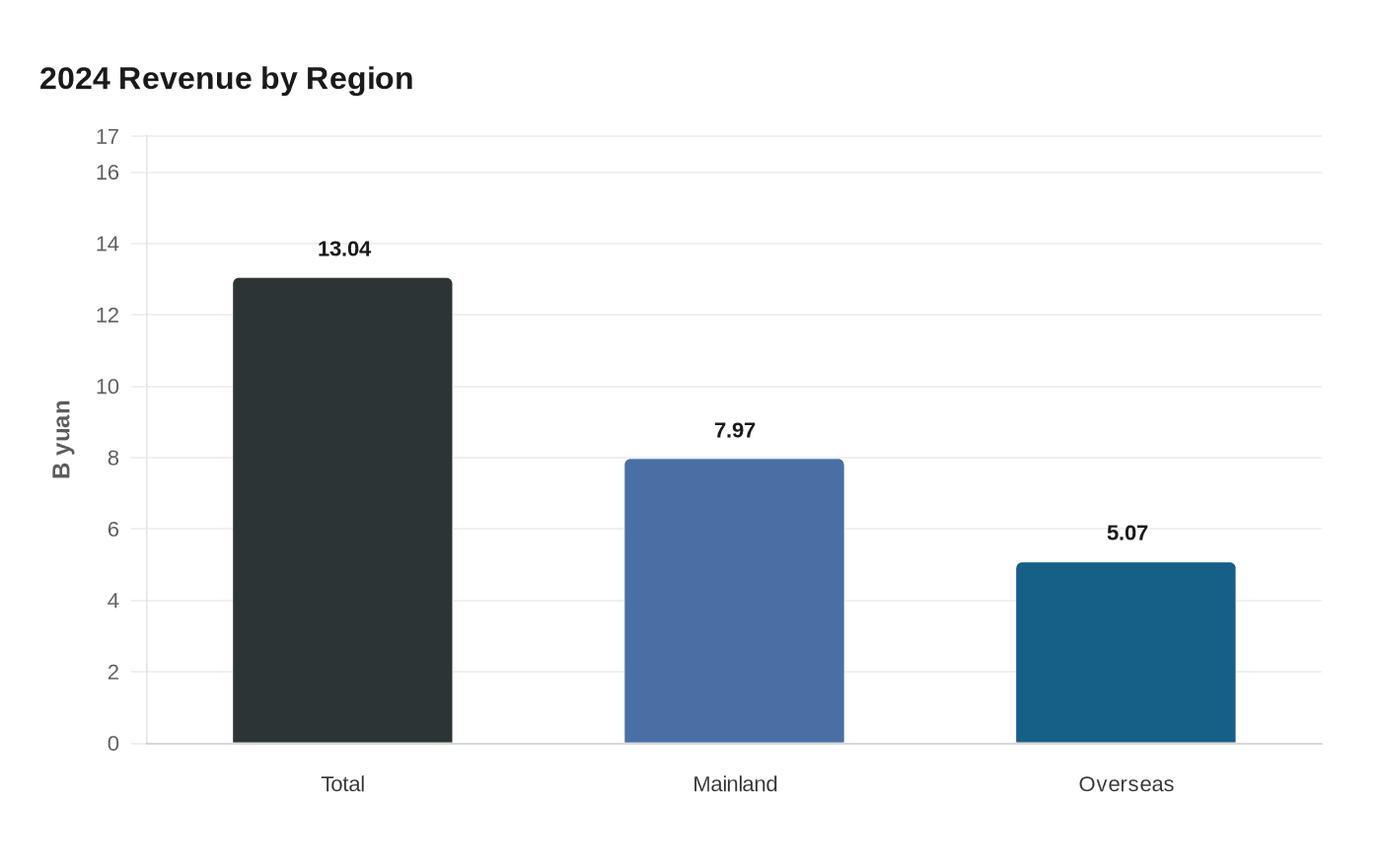
The scale of the business explains why the pressure on margins matters so much. In 2024, Pop Mart reported revenue of 13.04 billion yuan, up 106.9% from 2023, including 7.97 billion yuan from mainland China and 5.07 billion yuan overseas. The company said it operated more than 500 stores in 30-plus countries and regions, alongside more than 2,300 ROBOSHOPs, while its May 2026 product pipeline showed active tie-ins with FIFA, Hello Kitty and Disney/Pixar. That breadth suggests Pop Mart is still chasing the next wave of demand, but the real test is whether a viral character can keep generating durable profits once production, licensing, expansion and tariff pressures hit the bottom line.
This article was produced by Prism’s automated news system from verified source data, official records, and press releases, then run through automated quality and moderation checks before publishing. The system is built and supervised by the people who set the standards it runs under. Read our full AI policy.
Did this article answer your question?
%3Amax_bytes(150000)%3Astrip_icc()%2FCertificate-of-deposit-2301f2164ceb4e91b100cb92aa6f868a.jpg&w=1920&q=75)