Pope Leo visits Lebanon, says Palestinian state is the only solution
Pope Leo XIV arrived in Beirut on November 30 for a two day apostolic visit, saying in flight that a Palestinian state is "the only" viable solution to the Israel Palestine conflict. The trip aims to offer a mediating voice amid cross border violence and to draw attention to Lebanon's deepening political and economic crisis, with security tightly constrained and economic risks spilling into markets.
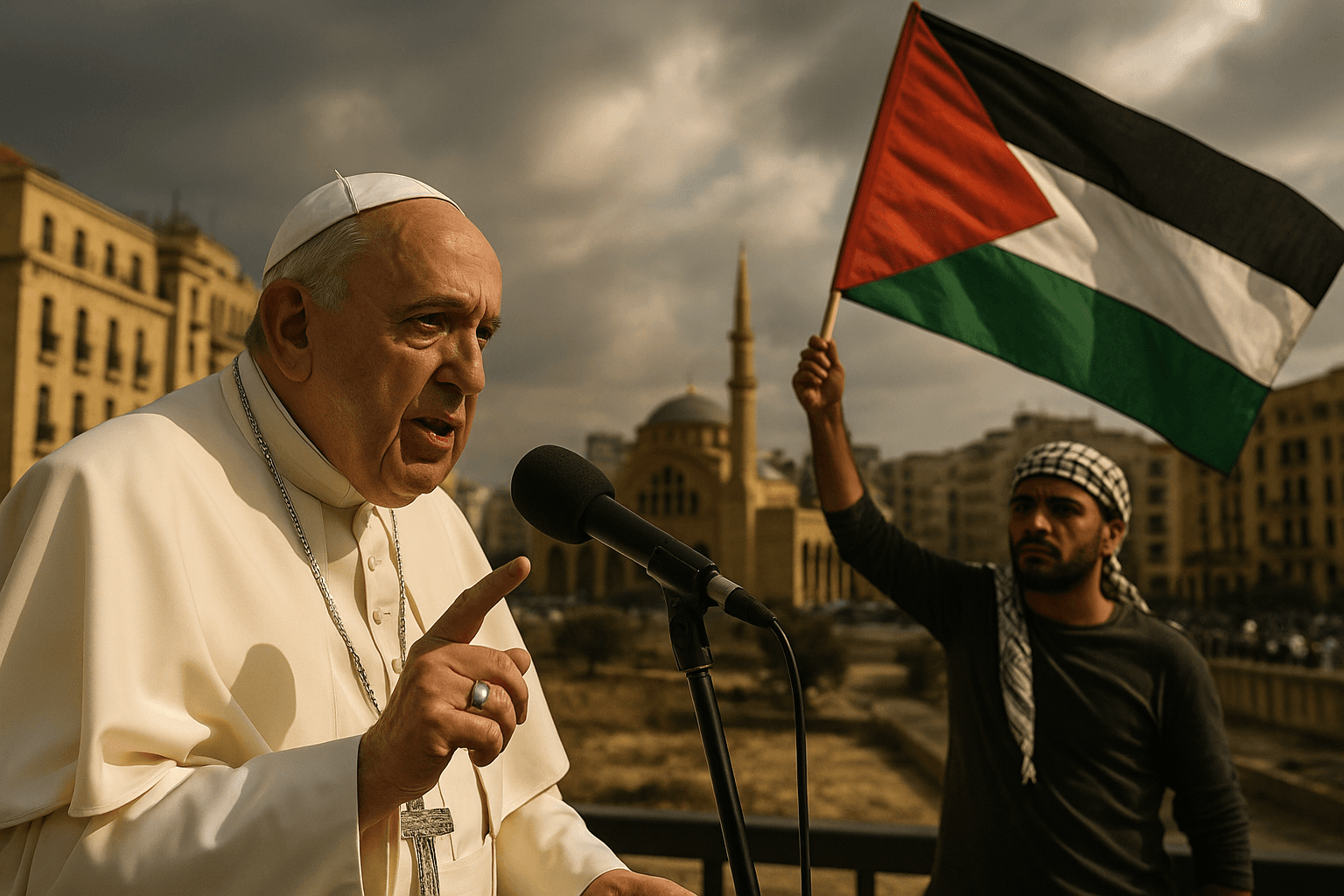
Pope Leo XIV landed in Beirut on Sunday for the second leg of his first foreign apostolic journey, delivering a blunt assessment of the Israel Palestine conflict and stepping into a fraught regional atmosphere. Speaking on the plane, he said a Palestinian state was "the only" viable solution, framing his two day itinerary as an effort to promote dialogue even as Lebanon grapples with the fallout from nearby fighting and a domestic economic collapse.
The pope met Lebanon's president and prime minister during the visit, celebrated a public Mass and toured sites still bearing the scars of past disasters. He avoided southern border areas where recent spillover from the Gaza conflict has prompted Israeli strikes and clashes with Hezbollah, a security choice reflecting concerns raised by Lebanese and international officials. Security has been heightened across the capital and around venues expected to draw large crowds.
Lebanon's troubles extend well beyond the immediate security situation. The country has endured a protracted economic crisis since 2019, characterized by a collapse of the Lebanese pound, soaring consumer prices and a banking sector effectively cut off from global markets. Public debt was roughly 170 percent of GDP on the eve of the crisis, and the economy shrank dramatically in the years that followed, eroding living standards and prompting waves of emigration. Recovery hinges on political reform and a fresh inflow of external financing, conditions that foreign creditors have repeatedly tied to transparent governance measures that successive Lebanese governments have struggled to deliver.
The pope's public emphasis on a two state solution arrives at a delicate moment for regional diplomacy. His remarks are likely to be welcomed by Palestinian advocates and parts of the international community that see statehood as the path to a durable settlement, but they risk complicating ties with actors who favor different approaches. For Lebanon, the diplomatic spotlight may generate short term attention and humanitarian pledges, but analysts say long term recovery will depend on measurable policy shifts that restore confidence among depositors and international lenders.
Markets are sensitive to the prospect of escalation across the Levant. A widening of conflict would have implications for energy markets and regional risk premia, potentially lifting prices for oil and gas and increasing costs of financing for fragile economies. For Lebanon, where the local currency has lost the bulk of its value on parallel markets and remittances have become a vital lifeline for households, renewed instability could choke off the limited inflows that alleviate shortages of foreign currency and impede the slow rebuilding of public services.
Pope Leo's visit is as much pastoral as geopolitical, intended to minister to Lebanon's large Christian community and to urge peace. Yet the trip underscores how intertwined security, diplomacy and economic stability have become in the region. Whether the pope's presence will translate into concrete momentum for ceasefires, political reform or economic relief remains unclear, but his declaration that a Palestinian state is "the only" solution has already reframed diplomatic conversation at a time when few durable solutions appear within reach.
This article was produced by Prism’s automated news system from verified source data, official records, and press releases, then run through automated quality and moderation checks before publishing. The system is built and supervised by the people who set the standards it runs under. Read our full AI policy.
Did this article answer your question?