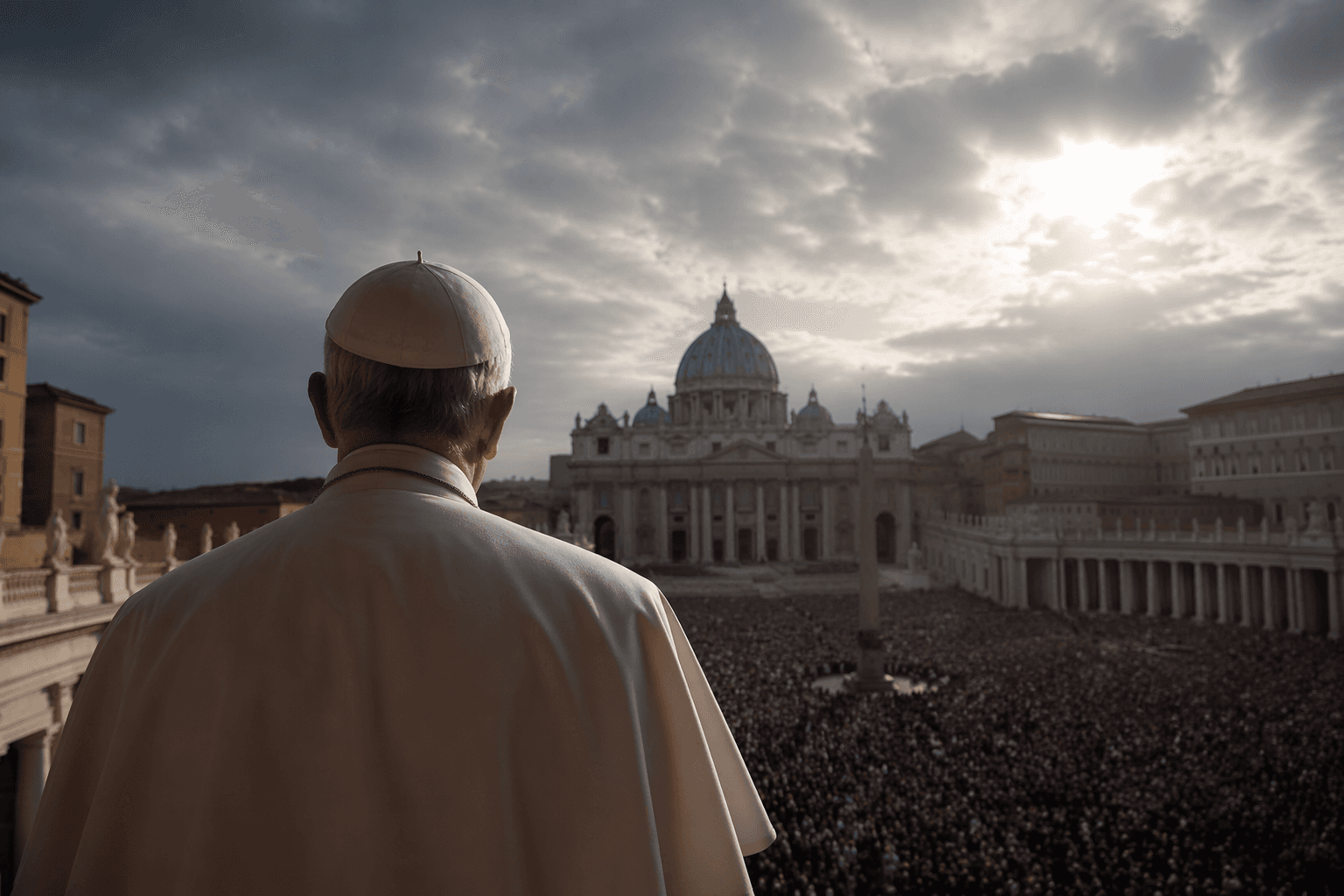
Pope Leo warns AI must serve humanity, urges regulation
Pope Leo's 42,300-word encyclical casts AI as a moral test, warning against lethal automation, surveillance and power concentrated in a few hands.

Pope Leo XIV used his first encyclical to draw a hard line around artificial intelligence, warning that lethal decisions cannot be left to machines and that the technology must never concentrate power in a few hands. In Magnifica humanitas: On Safeguarding the Human Person in the Time of Artificial Intelligence, the pope said the AI era is not only a regulatory challenge but a question of whether human dignity, work and freedom will still govern the future.
The Vatican said the 42,300-word document was signed on May 15 and released on May 25, a date chosen to mark the 135th anniversary of Leo XIII’s Rerum novarum, the 1891 text that helped define modern Catholic social teaching on labor and society. Presented at 11:30 a.m. in the Synod Hall, the launch included Cardinal Víctor Manuel Fernández, Cardinal Michael Czerny, theologian Anna Rowlands, Anthropic co-founder Christopher Olah and theologian Leocadie Lushombo, with Cardinal Pietro Parolin delivering closing remarks. The scale and setting signaled that Leo was not treating AI as a niche technology issue, but as a central public question for the Church.
The encyclical is divided into five chapters and argues that technology is not inherently evil, but is never neutral because it reflects the intentions of the people who design, finance, regulate and use it. Leo framed the choice as one between a new Tower of Babel and a city where God and humanity dwell together. The Vatican summary says he addresses truth, work, freedom, communication, democracy, education, unemployment, digital dependence, war, weapons, multilateralism, diplomacy and peace.
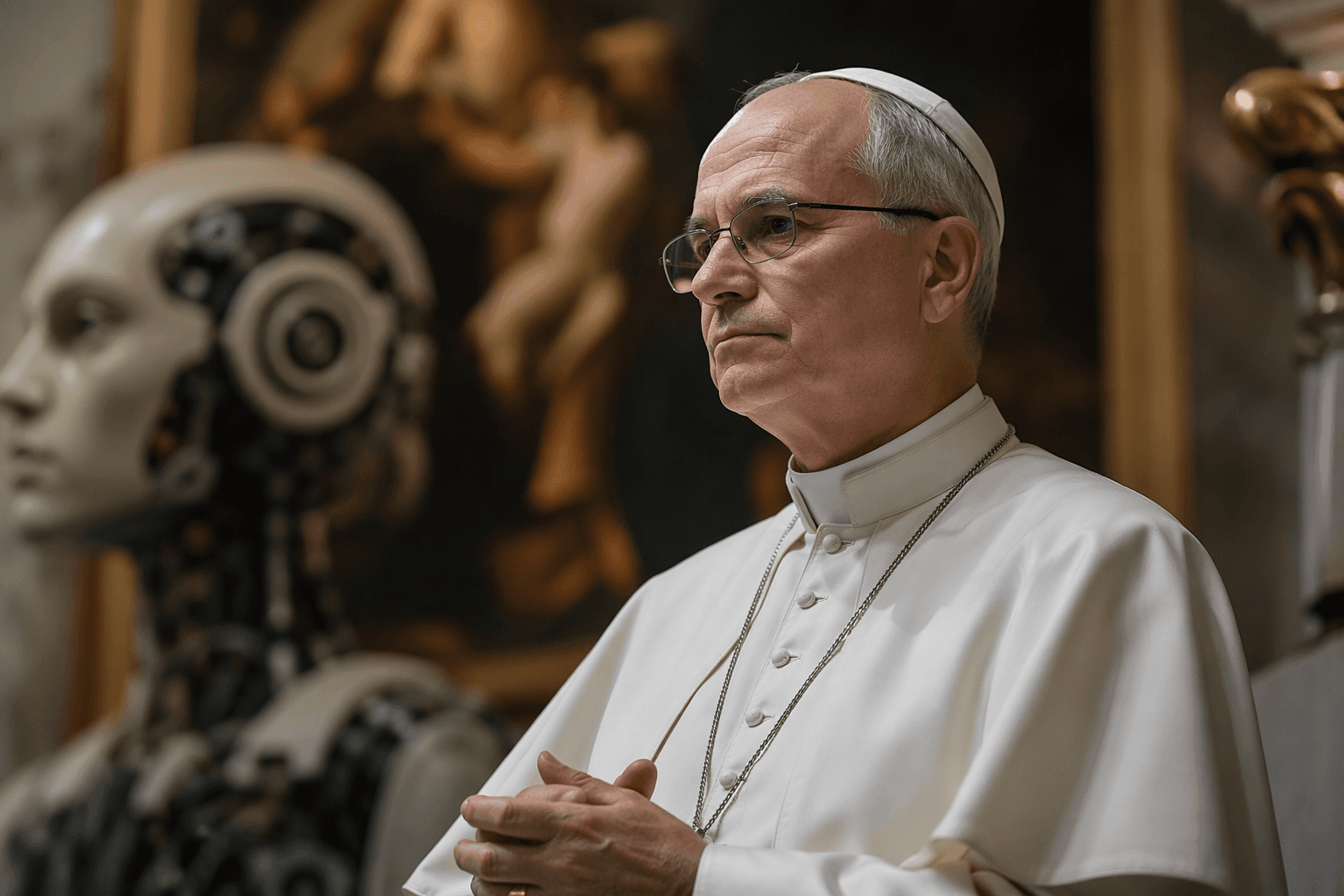
Leo’s warnings were blunt. He said AI should not be concentrated “in the hands of only a few people,” and said it is “not permissible” to entrust irreversible, lethal decisions to AI systems. He also urged the world to “slow down” AI development and said regulation alone is not enough, pressing developers to work for the common good rather than profit. In Vatican language, the goal is to “disarm” AI, meaning to prevent it from dominating humanity rather than serving it.
The encyclical lands at a moment when policy fights over labor displacement, surveillance, autonomous weapons and the governance of frontier models are sharpening across governments and industry. Vatican officials have spent years engaging Silicon Valley over AI’s human costs, and the document is expected to become a reference point for policymakers and researchers alike. By placing AI inside the Church’s long tradition of social doctrine, Leo has turned a technical debate into a moral framework centered on human personhood, responsibility and the limits of machine power.
Know something we missed? Have a correction or additional information?
Submit a Tip