Portugal urges halt to violence, calls for resumption of Guinea Bissau election
Portugal has demanded an immediate end to violence in Guinea Bissau and pressed for the electoral process to continue after army officers announced they had seized power. The intervention comes as provisional results from a contested presidential vote were due the following day, raising fears of renewed instability in a country with a long record of coups.
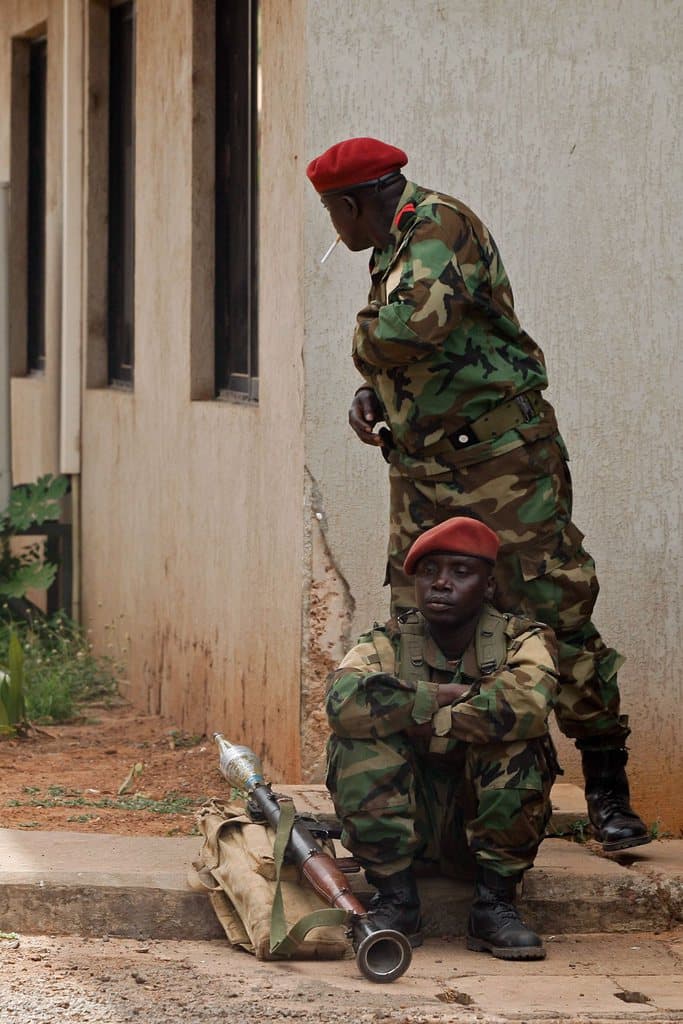
Gunfire echoed around government and electoral commission compounds in the capital of Guinea Bissau on Wednesday as a group of army officers announced they had taken control, prompting a firm appeal from Portugal for calm and the restoration of institutional functions. The developments came a day before provisional results from a closely contested presidential election were scheduled to be released, deepening international concern about the future of the vote and the country’s fragile democratic trajectory.
Portugal’s foreign ministry urged an immediate end to violence and called for the resumption of the electoral process so that vote counting and the proclamation of results could be completed. The appeal carried symbolic weight in Lisbon where ties with Guinea Bissau remain shaped by colonial history, shared language, and ongoing diplomatic and development links. International actors, including regional and global organizations, were reported to be monitoring events and calling for restraint as the situation unfolded.
Guinea Bissau, a small West African state of less than two million people, has endured decades of political turbulence. Repeated coups and a pattern of military intervention in politics have eroded institutional trust and left electoral cycles vulnerable to disruption. Observers say the timing of the seizure, on the eve of the provisional results, risks delegitimizing the outcome even if counting proceeds, and could trigger a period of uncertainty that spills beyond the country’s borders.
The disruption has immediate humanitarian and security implications. Threats to the electoral calendar undermine donor confidence and could complicate the delivery of aid and public services, while instability in Guinea Bissau has historically had broader regional repercussions. The country sits at a geopolitical crossroads in West Africa, and insecurity there can exacerbate smuggling, trafficking, and cross border criminal activity that affect neighboring states and European partners.
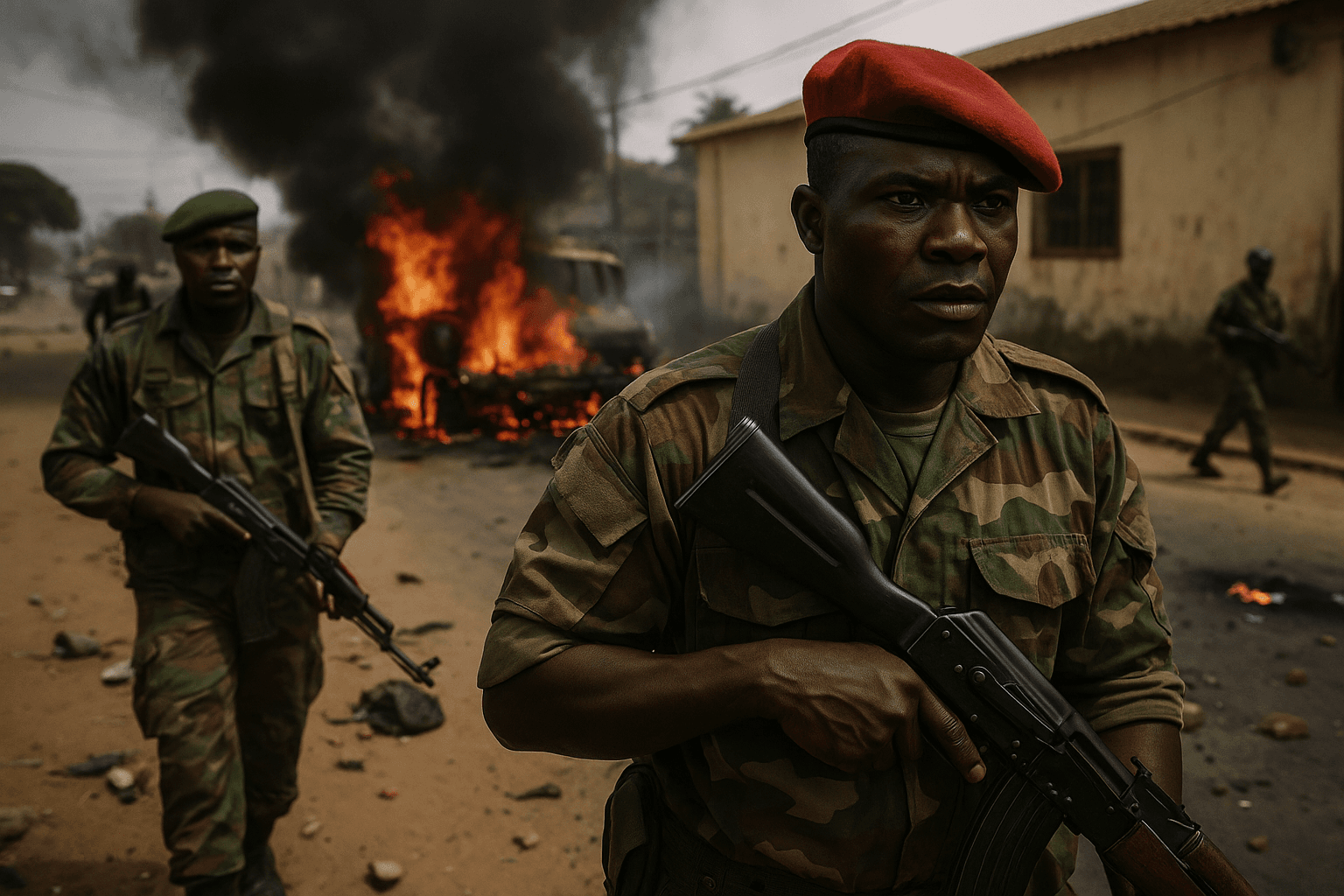
Legal and diplomatic options will be discussed in capitals across Africa and Europe as leaders weigh responses that balance pressure with the need to avoid escalation. A military takeover, if consolidated, would contravene basic democratic norms and raise questions under international law about the recognition of any authorities that emerge from the disruption. Regional bodies typically prefer mediation and restoration of constitutional order, but have at times considered sanctions or travel restrictions in response to coups.
The incident highlights the persistent challenge of consolidating democracy in states where political competition is intensely personal and institutions remain weak. For voters in Guinea Bissau, the immediate issue is whether provisional results will be announced and accepted, and whether security will allow electoral officials to complete their work without interference. For the international community, the episode tests the effectiveness of diplomatic pressure and the willingness of former colonial powers and regional organizations to support peaceful resolution.
As night fell on the capital, uncertainty prevailed. The coming hours and days will determine whether the electoral process can be salvaged and whether calls for restraint and institutional restoration will be heeded.
This article was produced by Prism’s automated news system from verified source data, official records, and press releases, then run through automated quality and moderation checks before publishing. The system is built and supervised by the people who set the standards it runs under. Read our full AI policy.
Did this article answer your question?