Potato-rich Andean diet shaped Indigenous DNA over thousands of years
Potato farming in the Andes left a genetic mark: Indigenous Peruvians showed the world’s highest AMY1 copy numbers, linked to starch digestion.
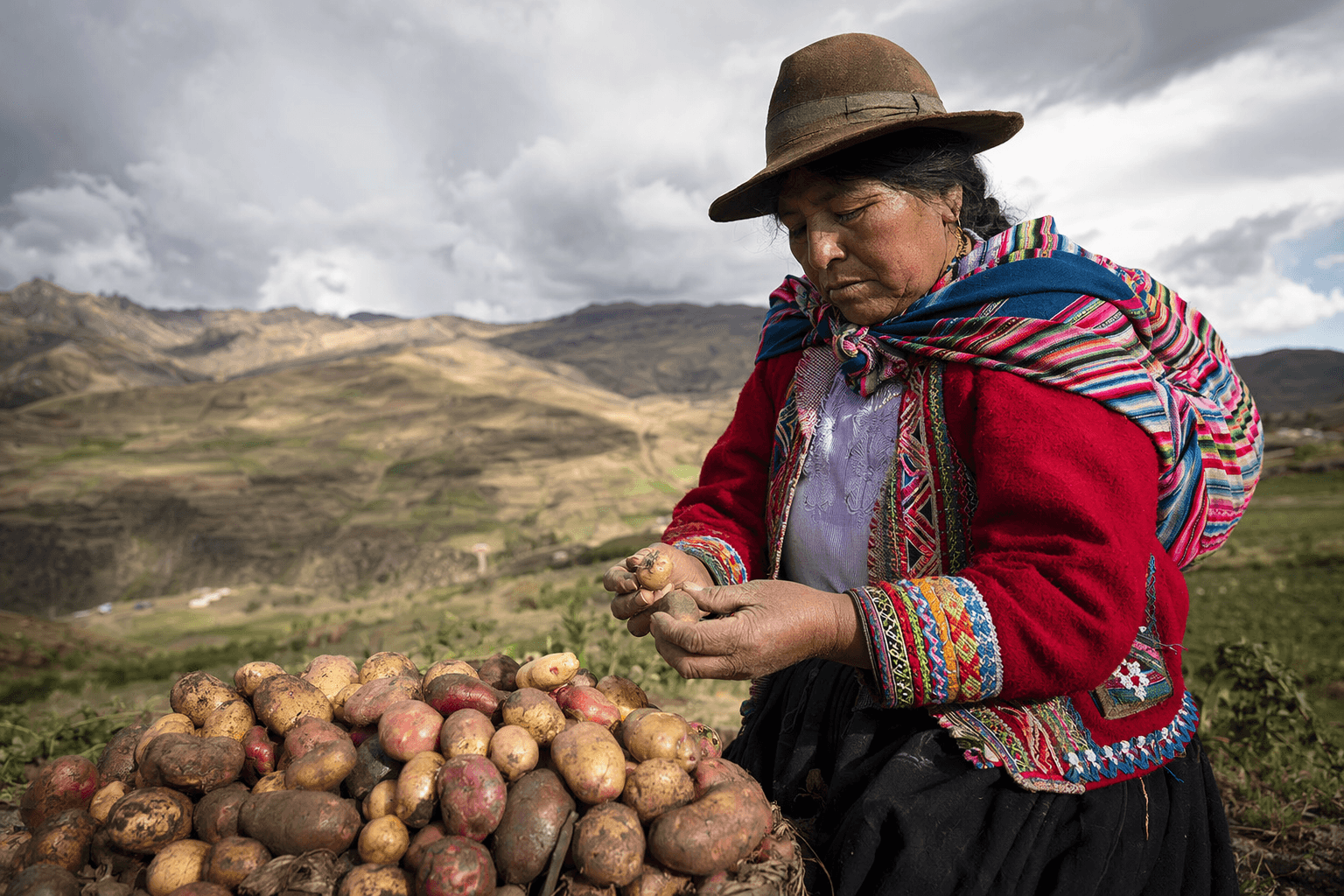
A potato-heavy diet in the Andean highlands appears to have done more than fill stomachs. It helped shape the DNA of Indigenous people over thousands of years, giving scientists a clear case of culture influencing human biology.
The study, published in Nature Communications, analyzed AMY1 copy number in 3,723 people from 85 populations and found that Indigenous Peruvian Andean groups had the highest observed AMY1 levels anywhere in the dataset. About 60% of the Peruvian Andean cohort carried 10 or more copies of the gene, which helps the body make salivary amylase, the enzyme that starts breaking down starch in the mouth. Researchers said no other known population has been shown to exceed that copy number.
The timing lined up closely with Andean food history. The Peruvian Andean-specific expansion was dated to around 10,000 years ago, matching archaeological estimates for the early domestication of potatoes in the Andes. The paper also reported evidence of positive selection on a haplotype carrying at least five AMY1 copies, suggesting that people with more copies may have had a survival or reproductive advantage as potatoes became central to daily life in the highlands. In practical terms, more AMY1 copies can mean more amylase production, which may have helped people handle a high-starch diet more efficiently.
Scientists at the University at Buffalo and the University of California, Los Angeles described the result as a strong example of “culture shaping biology.” That framing matters because it pushes the story beyond genetics alone. The potato did not simply become a staple crop in Peru; over generations, it became part of an ecological and cultural system that left measurable traces in the bodies of the people who depended on it most. The finding also points to other possible pathways, including the microbiome, and adds to the small list of well-known diet-driven human adaptations, alongside lactose tolerance.
For economics and public policy as much as for anthropology, the lesson is striking: long-term food systems can shape human populations in ways that last centuries. In the Andes, the crop that anchored survival in thin mountain soils also helped write a biological record of adaptation into Indigenous DNA.
This article was produced by Prism’s automated news system from verified source data, official records, and press releases, then run through automated quality and moderation checks before publishing. The system is built and supervised by the people who set the standards it runs under. Read our full AI policy.
Did this article answer your question?