Powerful geomagnetic storm lit skies across northern U.S. and Canada
NOAA warned a CME-driven geomagnetic storm on Jan. 19 made auroras visible across much of Canada and the northern U.S., with possible disruption to satellites and aviation.
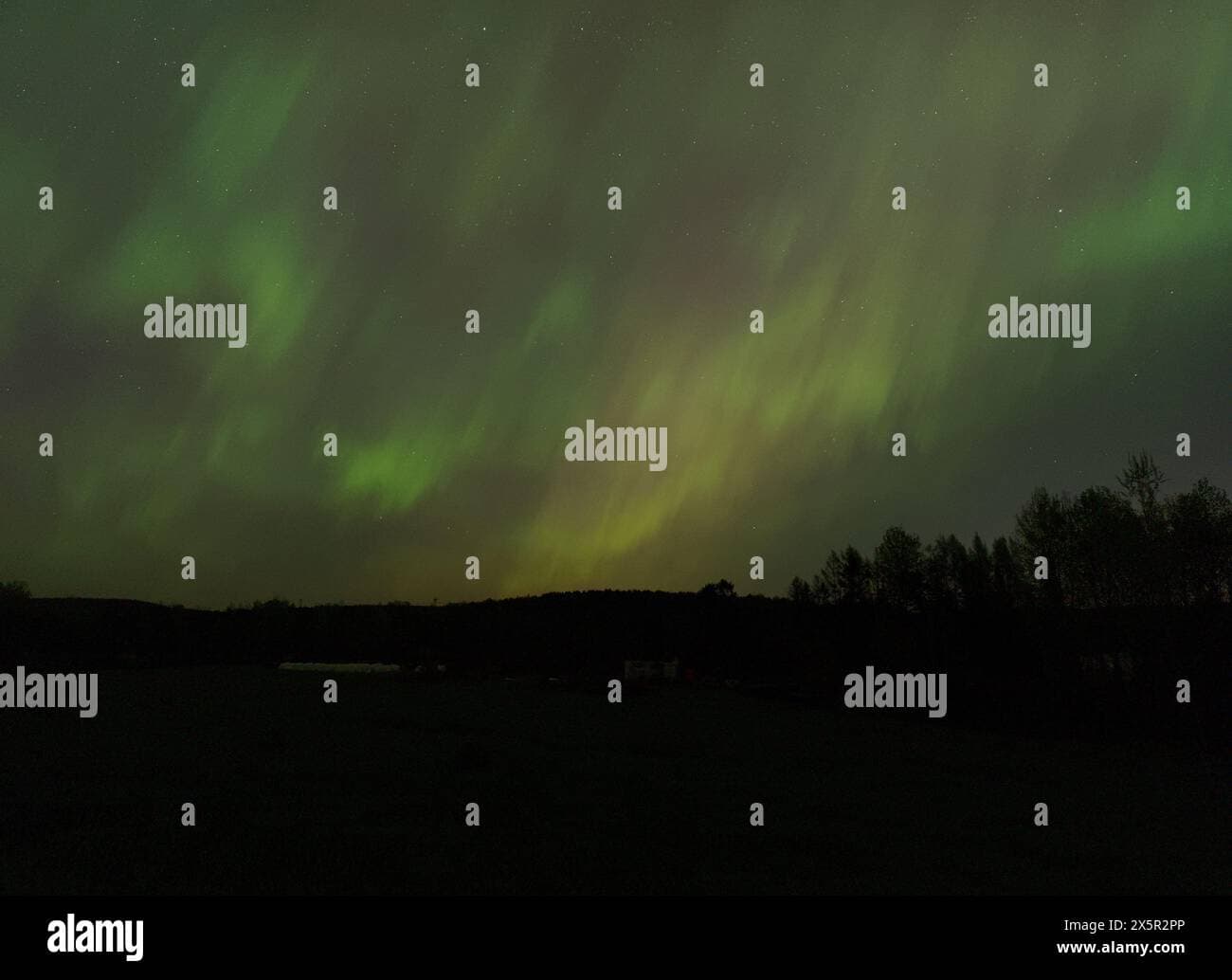
A massive coronal mass ejection from the sun set off a period of intense geomagnetic activity that on Jan. 19 produced vivid auroras across much of Canada and the northern tier of the United States, and prompted warnings that satellites, GPS and high-altitude flights could experience disruptions.
The event began with an X1.9-class solar flare on Jan. 18. The resulting cloud of charged solar plasma struck Earth’s magnetic field late on Jan. 19, triggering rapidly fluctuating geomagnetic conditions that ranged from strong to severe. The National Oceanic and Atmospheric Administration’s Space Weather Prediction Center issued watches and forecasts for significant disturbances, flagging the potential for impacts to space-based services and aviation, particularly on polar routes.
Observers across North America shared photographs and eyewitness accounts of red, green and purple auroral curtains well south of the usual viewing latitudes. Photographs and reports came from more than two dozen U.S. states, with images logged from Alabama, Kentucky, Pennsylvania, Connecticut, Virginia, Minnesota and others, while much of southern Canada reported displays. Sighting reports extended beyond North America; images circulated from parts of Europe and Asia, illustrating the global reach of a strong geomagnetic event.
Forecasters also highlighted an unusually large solar radiation storm accompanying the CME. Some described the associated solar radiation storm as "largest in 23 years," while other forecasters called it "potentially the strongest solar radiation storm in over 20 years." NOAA continues to analyze incoming measurements to refine the intensity scale and to monitor how radiation and charged particles may affect satellites and aviation routes.
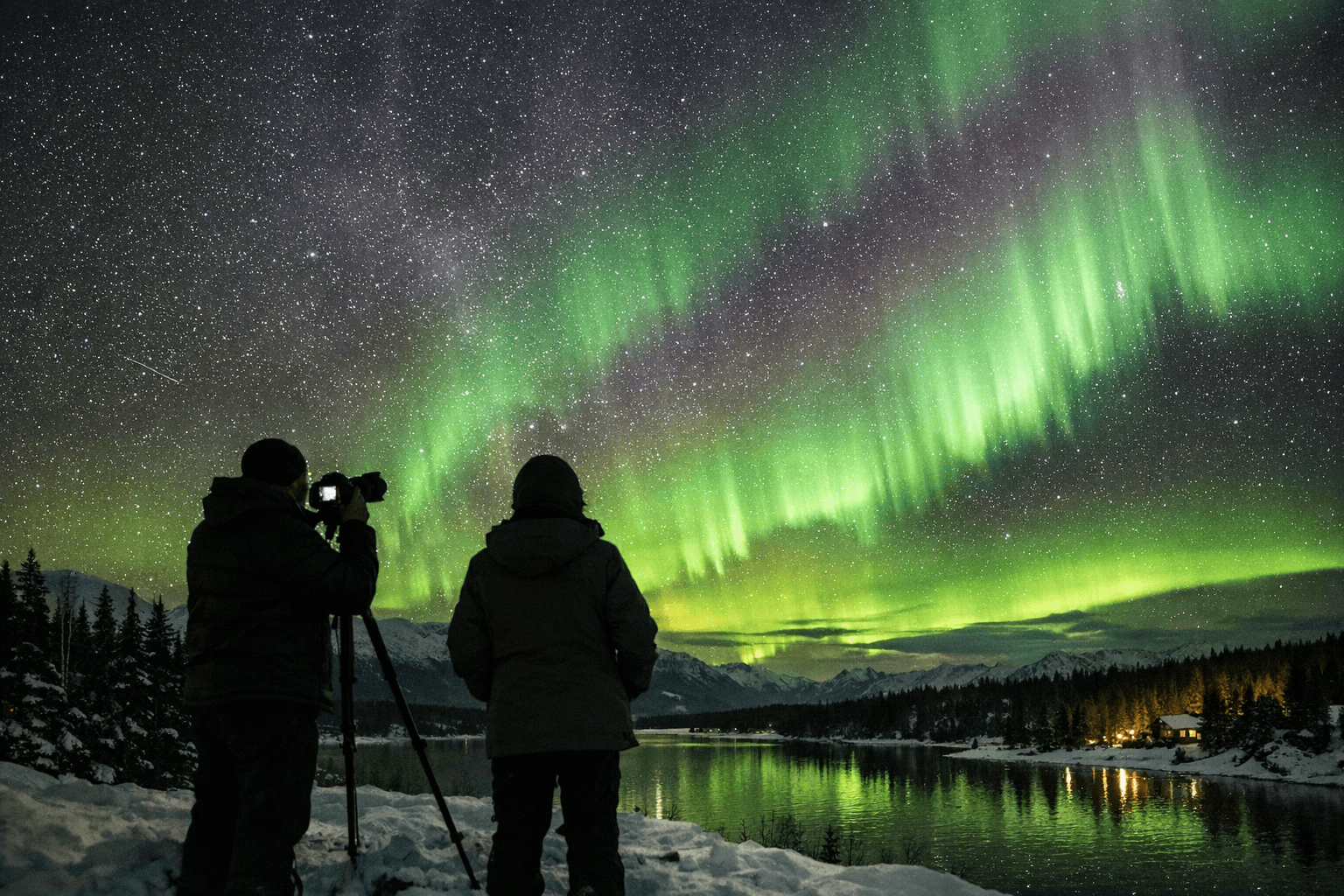
Operational impacts remain the principal concern for agencies and operators who depend on space-based infrastructure. Geomagnetic storms can induce currents in long conductors, potentially affecting power-grid equipment, while increased atmospheric drag can alter satellite orbits and lifetime predictions. GPS positioning and shortwave radio communications can degrade, and aviation authorities may reroute or alter operations for high-latitude flights to limit crew and equipment exposure. On the ground, experts emphasize there is little direct health risk for the general public, though aircraft crews and passengers on polar routes can face higher radiation exposure during severe events.
Visibility of the aurora, however, was uneven and conditional. Cloud cover, local light pollution and the orientation of the interplanetary magnetic field influenced whether the charged particles funneled into the upper atmosphere to produce visible light. When the magnetic field carried by the solar wind is oriented northward it can deflect incoming particles and dampen auroral displays, meaning even powerful storms do not guarantee widespread skies full of color.
NOAA’s Space Weather Prediction Center said the storm was expected to ease only gradually, with elevated geomagnetic activity persisting into the following day as analysts worked to update warning levels and operational guidance. The episode underscored that solar maximum, reached in October 2024, is still producing strong magnetic activity through 2026, raising the likelihood of further intense flares, coronal mass ejections and consequential auroral and technological impacts.
This article was produced by Prism’s automated news system from verified source data, official records, and press releases, then run through automated quality and moderation checks before publishing. The system is built and supervised by the people who set the standards it runs under. Read our full AI policy.
Did this article answer your question?