Practical beginner's guide to starting mindfulness meditation daily
Clear step-by-step instructions show how to begin short, regular mindfulness sittings and build a gentle, evidence-informed daily habit.

If you want a simple, practical route into mindfulness meditation, start small and be kind. Begin with five to ten minutes of seated practice, find a comfortable stable posture, use the breath as your anchor, and treat lapses in attention as part of the training rather than failures. These are the core moves that make meditation accessible and sustainable.
A basic session looks like this: settle into a posture that feels steady and relaxed, soften your gaze or gently close your eyes, bring attention to the breath, and notice when the mind wanders. Each time awareness drifts, guide it back to the breath with curiosity and self-compassion. Short, regular sittings build concentration and resilience more reliably than occasional long sessions. For total beginners, one minute practices and guided ten minute meditations offer realistic entry points for busy days.
Beyond breath-focused sitting, add variety to keep practice alive. Walking meditation brings attention to the body in motion; loving-kindness or metta practices cultivate warmth toward yourself and others; short guided audios can carry you through a focused practice when motivation is low. Multiple formats make it easier to fit meditation into everyday life whether you prefer audio, brief checkpoints, or slightly longer sits.
Building a habit requires design, not willpower. Use clear cues and reminders, anchor meditation to daily routines, and increase duration incrementally. A simple anchor: take a single mindful breath before answering the phone, before eating, or when you notice stress. Habit architecture means stacking tiny wins. Five minutes a day for two weeks creates momentum; then add a minute or two. Treat consistency as the point, not perfection.
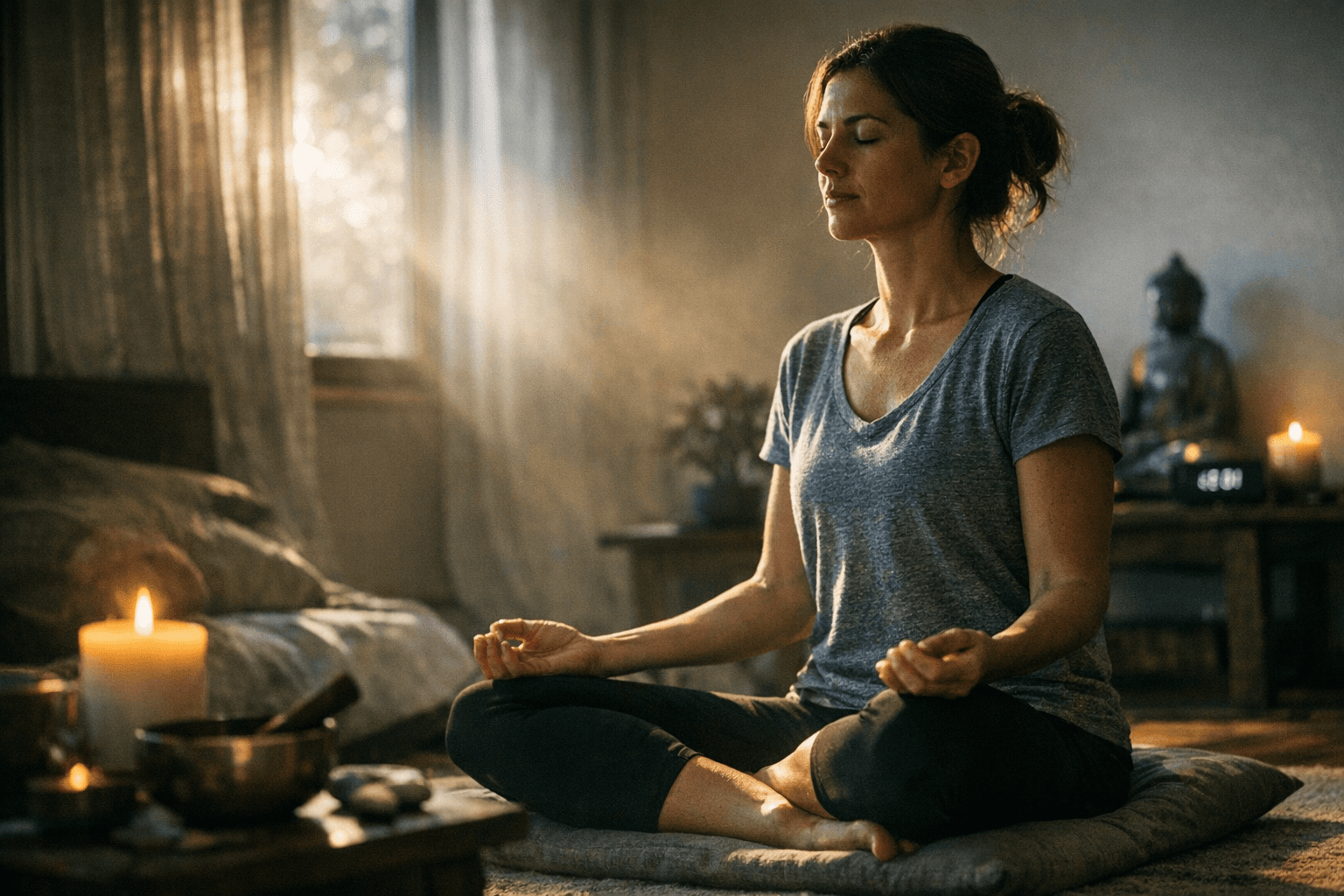
Practical FAQs that often block beginners are straightforward to resolve. If posture hurts, adjust until you can sit comfortably and upright; you can sit on a chair, cushion, or even stand. There is no universal rule about eyes open or closed—experiment and choose what steadies attention. Distractions are normal; label them briefly if helpful and return to your anchor. Use guided audio when your mind feels especially scattered or when starting out, and keep sessions short on high-stress days.
The community conversation favors evidence-informed, compassionate practice over strict ritual. Prioritize regular seat time, cultivate kindness toward wandering attention, and lean on short, accessible formats to build momentum. Integrate practice into life through micro-anchors and reminders so meditation becomes a bridge, not a chore.
Our two cents? Start with five minutes today, place that five minutes next to a daily habit you already keep, and treat every return to the breath as progress. Small, consistent steps and a soft attitude will get you farther than rare, heroic sits.
Sources:
Know something we missed? Have a correction or additional information?
Submit a Tip