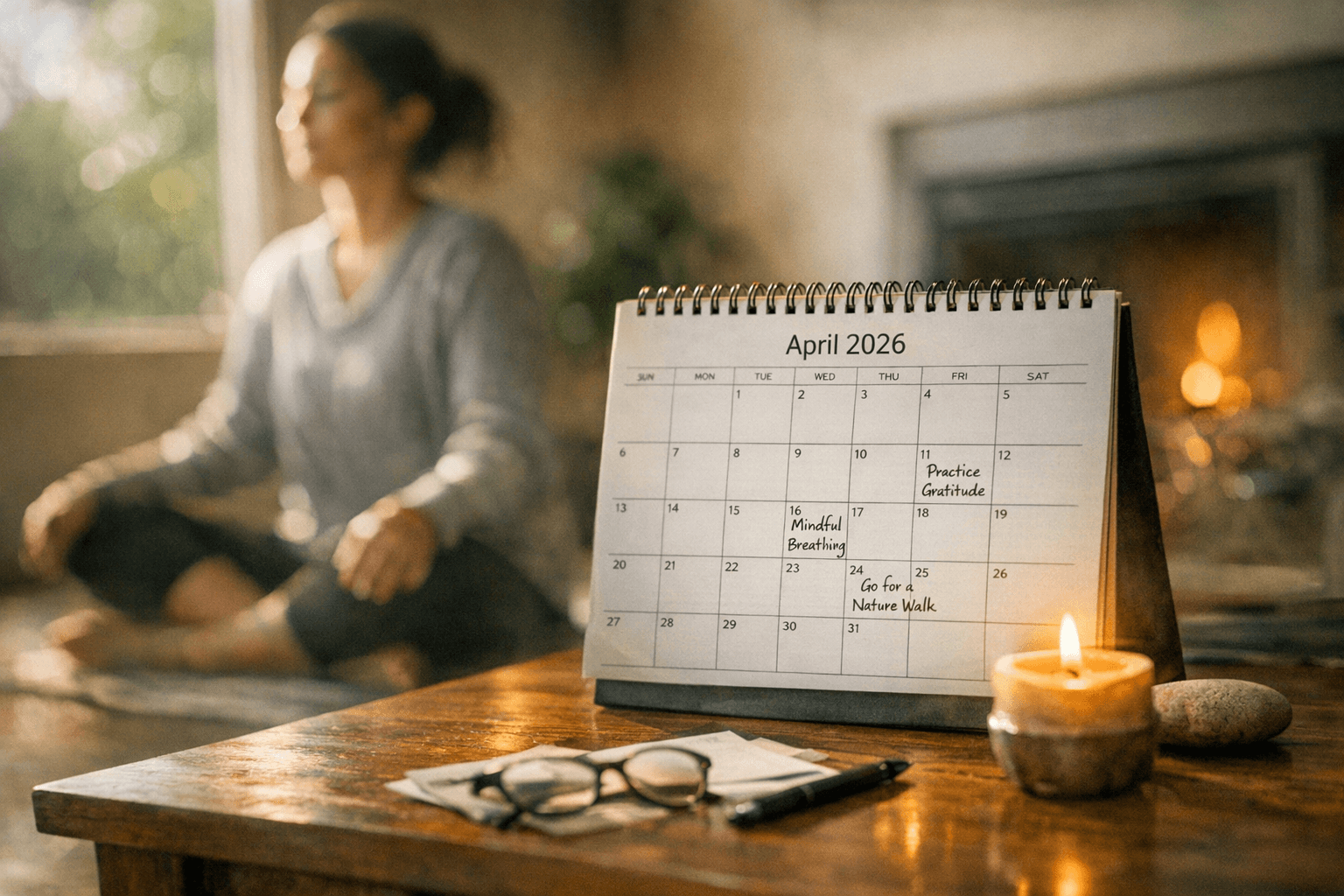
Practical mindfulness techniques to start your daily practice today
Clear, practical techniques help beginners build brief daily mindfulness practices; start with one to five minutes and link practice to routines to make it stick.

If you want to bring mindfulness into everyday life but feel overwhelmed by long sits or lofty goals, start small. Simple, practitioner-oriented techniques can lower barriers and deliver measurable benefits such as reduced stress and reactivity and improved focus and emotional regulation. These are skills learned over time, not instant fixes.
Begin with easily repeatable anchors. Mindful breathing teaches you to use the breath as an anchor for attention; try one to five minutes noticing inhale and exhale. Short body scans move attention methodically through the body to reveal tension and release it. Mindful walking shifts awareness to footfall, balance, and the feel of movement. Mindful eating involves slowing down to notice taste, texture, and satiety. Brief grounding exercises bring attention to the senses now and here, which is useful when the mind races.
Practical structure helps overcome common obstacles. Set tiny, time-limited sessions that fit existing routines: practice for minutes while your kettle boils, during the first minutes after waking, or while standing in line. Use reminders on your phone or visible cues like a sticky note on the bathroom mirror. Guided meditations can shepherd attention when you are new to noticing the breath or body sensations. If motivation flags, consider a local practice group or teacher for accountability and technique refinement.
Troubleshooting keeps practice realistic. Forgetting happens; reframe missed sessions as data, not failure. Perceived lack of time often disappears once you commit to micro-practices. Mind wandering is normal; each time you notice and return attention you are strengthening the skill. Remember that measurable change comes from repeated practice, not a single intensive session.
Evidence-based gains are clear enough to matter for daily life. Regular practice tends to reduce reactivity to stress, sharpen attention, and improve emotional regulation, which can translate into calmer interactions, better decision making, and clearer concentration at work or home. Think of practice as training the attention muscle so it can be called on when you need it most.
The takeaway? Treat mindfulness as a series of tiny, repeatable habits rather than a destination. Start with one to five minutes, anchor practice in a routine, use reminders or guided tracks, and get support when you need it. Little consistent steps add up to big shifts in how you respond to stress and stay present in daily life. Our two cents? Pick one micro-practice, stack it onto something you already do, and defend that minute like it matters, because it does.
Know something we missed? Have a correction or additional information?
Submit a Tip