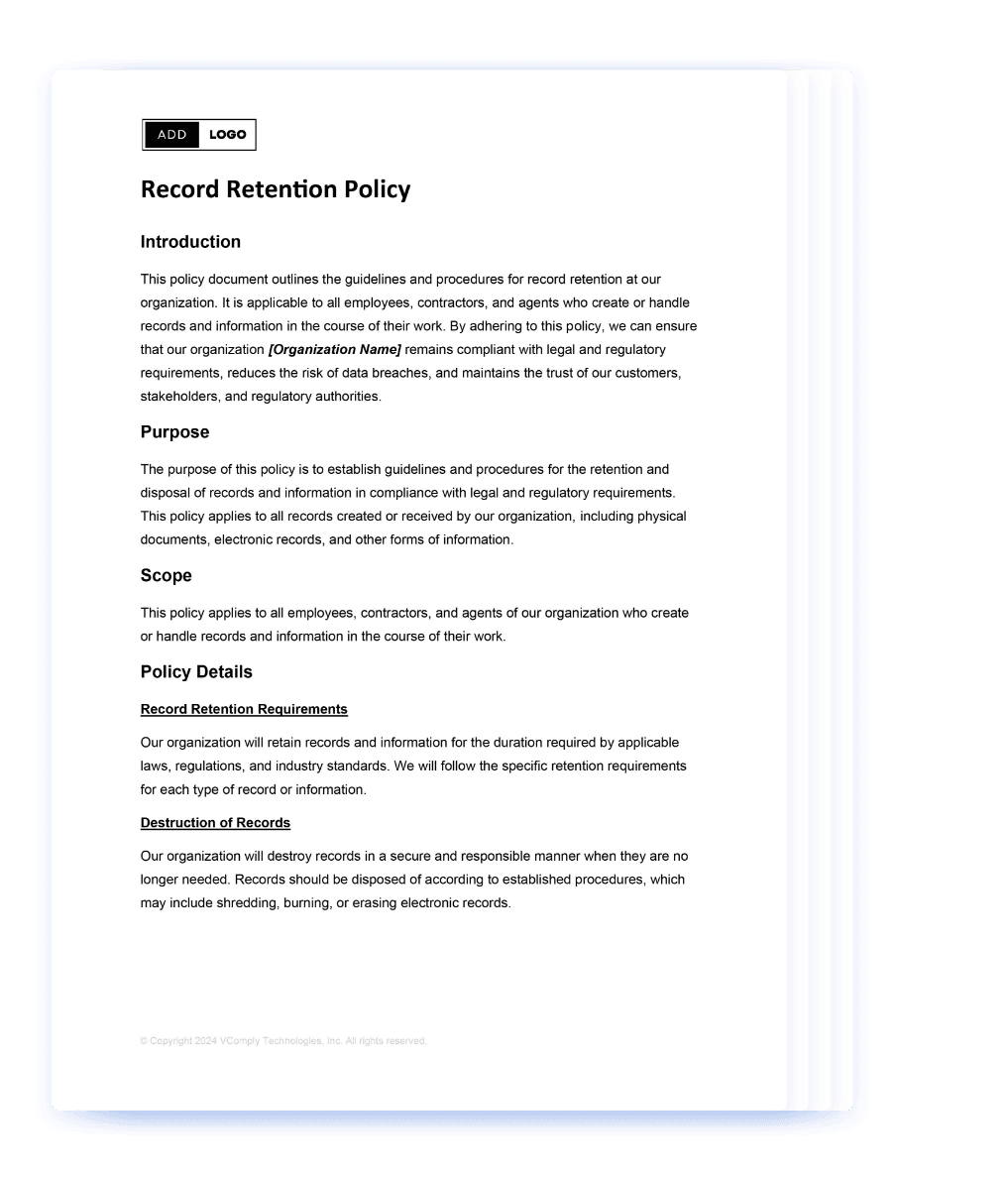
Practical post-incident safety checklist for Dollar General frontline employees
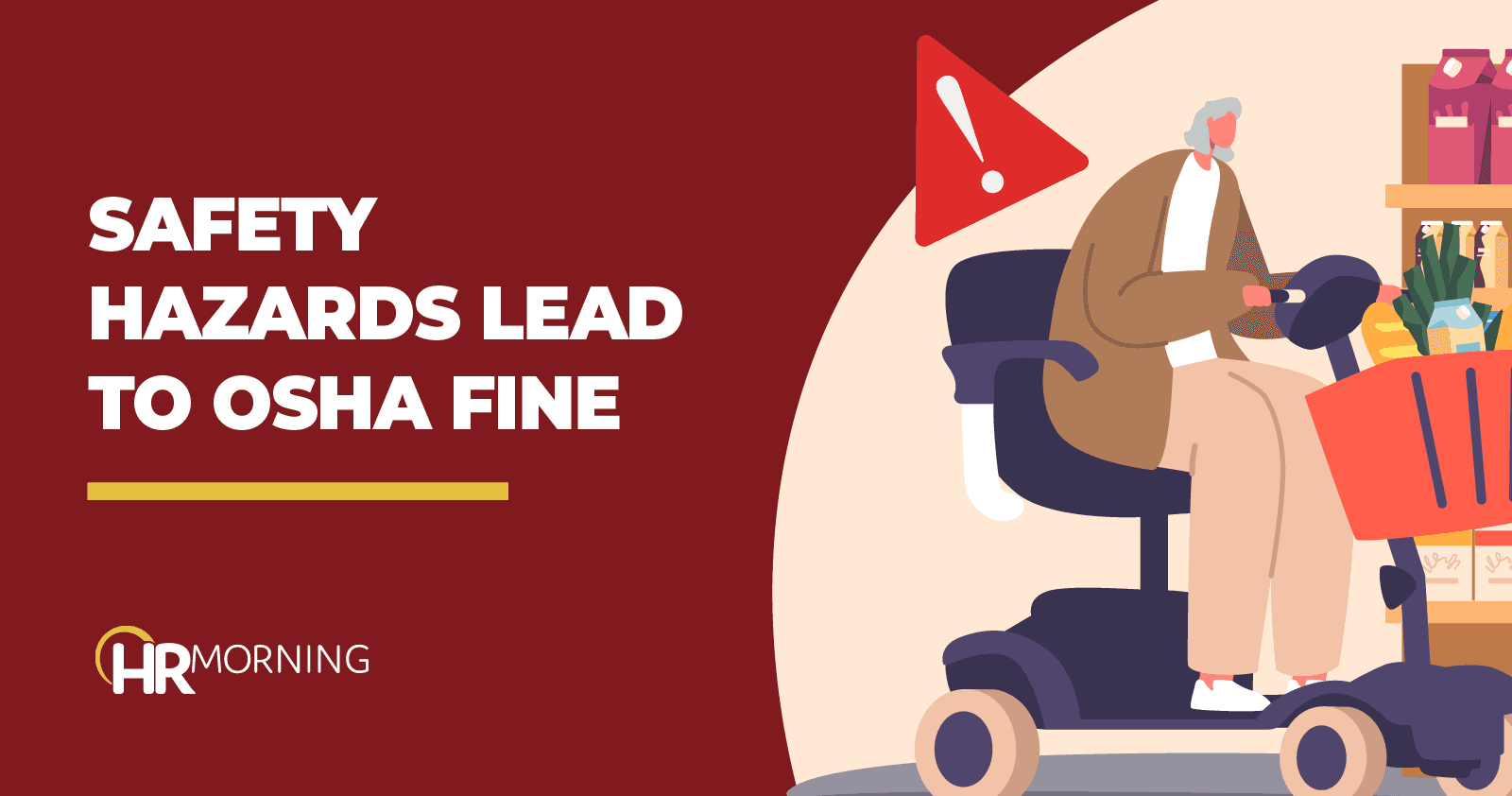
Report threats to your manager and the Risk Management Hotline immediately; cited hazards must be fixed within 48 hours or the company faces steep penalties.
1. Secure the scene and report immediately
If an incident creates an active safety threat, the first step is to notify your manager and use the Risk Management Hotline without delay. “Report any threats to workplace safety to your manager and the Risk Management Hotline immediately.” If the issue involves violence, threats, or intimidating behavior, also notify the ERC (Employee Resource Center) as an alternative channel.
2. Know exactly what to report
Reportable behavior includes physical acts of violence, threats of physical harm, verbal abuse, intimidating conduct, and working under the influence of drugs or alcohol. “Our Company won’t tolerate physical acts of violence, threats of physical harm, verbal abuse or other intimidating behavior,” and “Working while under the influence of drugs or alcohol also threatens workplace safety, and our Company will not tolerate such behavior.” If you’re unsure, use the Carla example: “Carla’s coworker may be creating an offensive workplace for her. Carla can speak with her manager if she’s comfortable doing so, or she can contact the ERC.”
3. Preserve physical access and document blockages
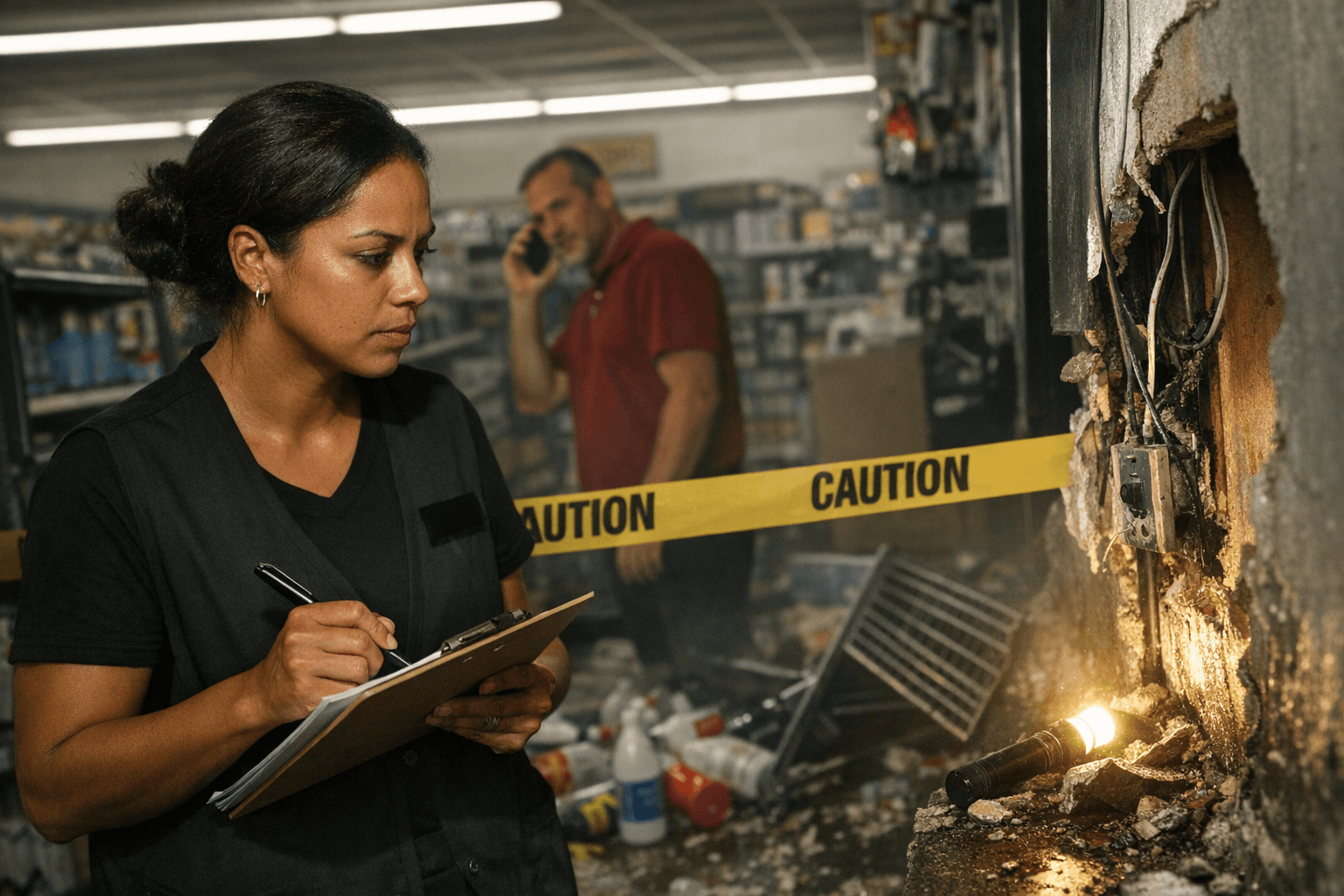
If exits, electrical panels, or fire extinguishers are obstructed, treat that as an urgent safety hazard and report it immediately. The OSHA settlement requires stores to mark clearance areas with “brightly colored safety lines or another feasible alternative and ‘do not block’ stickers to ensure clearance around electrical panels and exit doors,” and future citations for blocked access must be corrected within 48 hours with proof of correction submitted.
4. Collect and retain evidence and incident details
Record what you saw and when: who was involved, exact location in the store, time stamps, photos if safe to take them, and any witness names. The settlement requires that “Respondent will maintain SOC and related data, including any verification that safety issues identified were corrected, during the Agreement Term,” which means documented follow-up is part of compliance and may be needed for audits or OSHA reviews.
5. Stabilize inventory and backroom risks safely
If excess inventory or a delivery creates unsafe conditions in the backroom, do not attempt unsafe workarounds; reporting and temporary management are required. Per OSHA terms, “Stores with limited backroom receiving storage may request and utilize a storage pod to temporarily manage excess inventory, provided that employees can safely access the storage pods to perform work duties at all times.” Inventory-management issues were also flagged in the company audit as an obstacle to compliance.
6. Follow training rules and track refreshers
Non-managerial store employees are required to receive safety and health training “at the time of hire and a monthly refresher on safety issues.” Make sure you complete those trainings and keep proof of completion available; the OSHA settlement establishes this cadence and indicates training is a central compliance tool.
7. Expect leadership oversight and escalation
Senior leaders—explicitly the CEO, the Director of Safety, and other senior executives—are required to receive training on corporate responsibility for workplace safety, and “Senior leadership shall review Respondent’s compliance with the Settlement Agreement on a quarterly basis.” That establishes scheduled escalation and ongoing oversight you can reference if you need additional follow-up.
8. Use store security tools and know how they work
Dollar General has invested in measures that affect immediate response: “extensive installation of additional internal and external LED lighting, interactive security monitoring, additional CCTV monitors within the stores, ‘silent alert’ buttons which allow store employees…” Know where these devices are in your store and when to activate them; silent-alert buttons and interactive monitoring are part of the company’s investments in security.
9. Understand the legal timeline and enforcement stakes
The Department of Labor/OSHA announced a settlement that requires company-wide investments and includes a $12 million penalty total; the public announcement date was 7/11/24. The agreement also states that for future violations related to blocked exits, electrical panels, or improper inventory storage, Dollar General “must correct such hazards within 48 hours and submit proof that the hazards were corrected. Failure to do so may result in penalties of $100,000 per day, capped at $500,000.” That enforcement mechanism creates a measurable company incentive to act quickly on store-level reports.
10. Know the company’s safety standards and assessments
Dollar General’s internal audit cites use of ISO 45001 as a benchmark and says the company “has implemented and communicated appropriate workplace safety policies, programs, training, and standard operating procedures (‘SOPs’) and has cultivated a culture of safety,” with “incident rates at or below industry averages for both its retail and distribution locations.” Stores are assessed using factors such as the total crime index, shrink rates in surrounding stores, and store-specific shrink and safety incidents—so local conditions influence what security measures your store should have.
11. Communicate across teams and retain SOC data
The OSHA terms emphasize cross-functional sharing: policies “should facilitate cross-functional information sharing and collaboration among all responsible parties, including the SOC and safety team, to implement and enhance Respondent’s safety program.” Maintain or forward any SOC-related logs, hotline/QR code reports, and verification of corrective actions as required—these records are expected to be retained “during the Agreement Term.”
12. Use the handbook and company resources for step-by-step guidance
The Employee Safety Handbook—introduced by a CEO letter that “emphasizes Dollar General's commitment to employee safety”—covers “emergency response, hazard communication, material handling, fire safety, and other operational safety practices.” The handbook is intended “to maintain a safe workplace,” and versions may be available in other languages and shareable formats; consult it for store-specific SOPs and emergency steps.
- Secure personal safety first—move to a safe location and call for help if needed.
- Notify your manager and the Risk Management Hotline immediately; for violence or harassment, notify the ERC. “Report any threats to workplace safety to your manager and the Risk Management Hotline immediately.”
- Preserve evidence—note times, people, and take photos if it’s safe and allowed; document witnesses. Records and verifications will be retained per the settlement: “Respondent will maintain SOC and related data, including any verification that safety issues identified were corrected, during the Agreement Term.”
- If the incident involves blocked exits or electrical access, escalate for immediate correction because those hazards must be fixed within 48 hours under the settlement terms.
- Complete any required incident forms and follow any manager or SOC instructions for follow-up and training.
13. Practical personal post-incident checklist (what to do, in order)
14. Your rights and protection after reporting
The employee policy affirms: “You will not be subject to retaliation for making an honest report.” Use that protection if you fear retaliation, and escalate to ERC or the Risk Management Hotline if necessary. OSHA’s agreement also reiterates workers’ rights to report hazards without fear of retaliation and allows OSHA monitoring and follow-up inspections.
15. Closing — why this checklist matters now
The mix of internal audit findings, visible store investments, and an OSHA settlement with a $12 million penalty shows this is a moment of operational change: the company has documented safety programs and ISO 45001 benchmarking, but federal enforcement has imposed concrete correction timelines and oversight. As Assistant Secretary Douglas L. Parker put it, “This agreement commits Dollar General to making worker safety a priority by implementing significant and systematic changes in its operations to improve accountability and compliance, and it gives Dollar General employees essential input on ensuring their own health and safety… These changes help give peace of mind to thousands of workers, knowing that they are not risking their safety in their workplaces and that they will come home healthy at the end of each day.” Use this checklist to act quickly, document thoroughly, and escalate through the named channels so issues are corrected within the required timelines.
Know something we missed? Have a correction or additional information?
Submit a Tip