Practical toolkit for reggae collectors, DJs and community stations
Essential resources and step-by-step tips to collect, identify and support reggae releases.
If you collect, DJ, research or follow reggae culture, use a compact set of online tools and field-tested habits to find rarities, verify pressings and support artists directly. Start with Discogs to map the market, Bandcamp and label pages to buy limited-run vinyl and high-quality downloads, and specialist reggae outlets for release and festival tracking.
Discogs is the backbone for pressing identification and market research. Create a Discogs account, build wantlists for target pressings and use catalogue numbers (cat#) and release metadata to compare first pressings vs. reissues. Read seller feedback, inspect sale histories and use price charts to set realistic budgets before bidding or buying. When dealing with rare items, prefer well-rated sellers and consider escrow or extra protections for shipping.
Buy direct from Bandcamp or label pages when possible to support independent reggae and dub labels. Many small labels and producers run limited-run vinyl or offer high-resolution digital downloads on Bandcamp; follow label profiles to catch drops and label-centric features. Specialist reggae sites and aggregators compile festival listings, release roundups and local scene updates—check their release and festival pages for lineup dates, links to streams and purchase options to plan listening and bookings.
Treat vinyl condition and grading as non-negotiable. Learn and use grading terms like Mint, Near Mint and Very Good Plus. Inspect sleeves for seam splits and check vinyl surfaces for marks; always ask sellers for clear photos and provenance. Keep notes on mastering, pressing origin and playback quality for records you own—regional pressings and mastering differences often change both collectability and sound, and a short catalog of your experiences becomes invaluable when evaluating future finds.
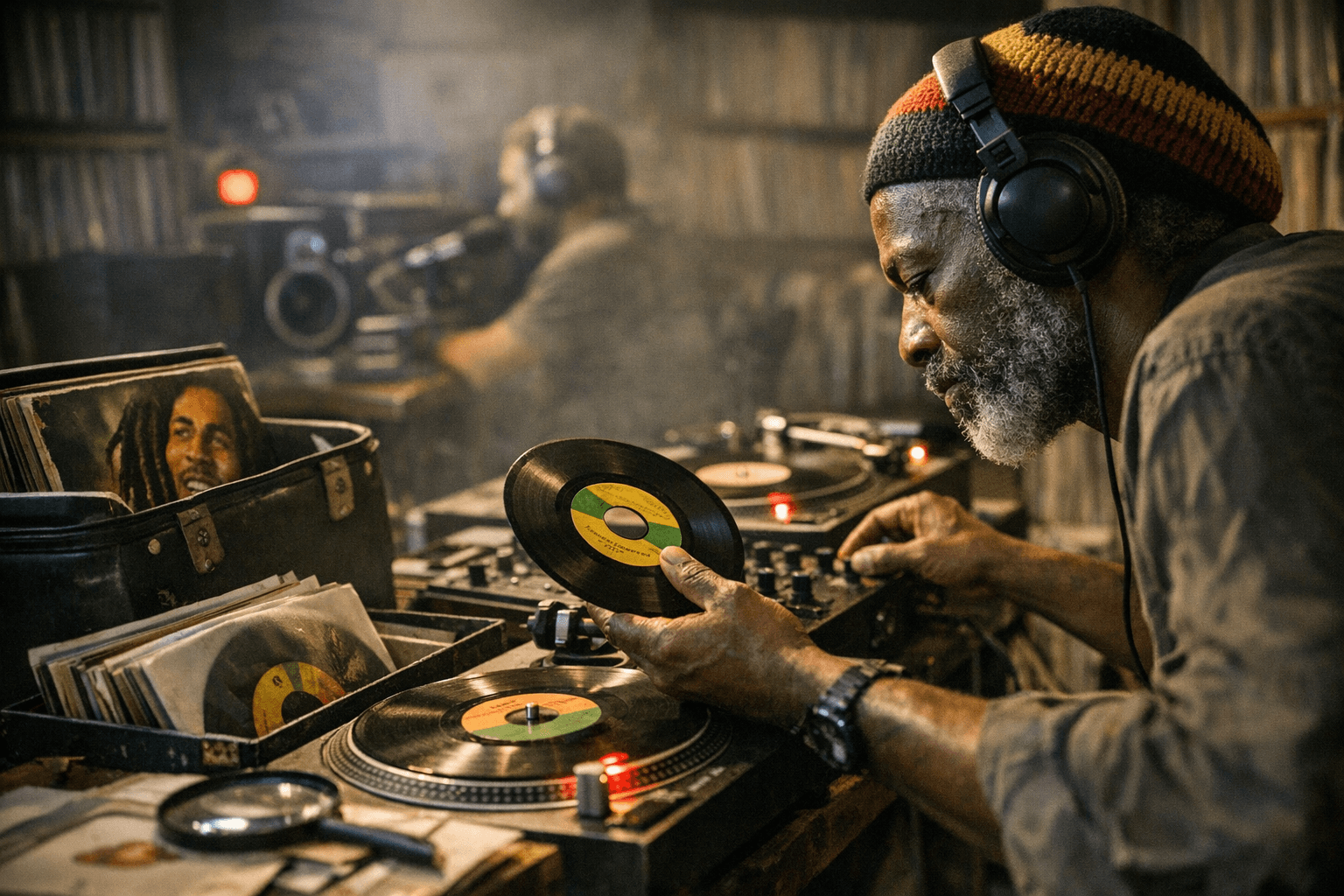
Follow specialty reggae radio shows, community stations and DJ replays on internet radio, SoundCloud and Mixcloud to hear new singles, dub versions and DJ transitions you can study for set-building. Check station pages and show replays for playlists and track IDs to fill gaps that metadata sometimes misses. Use genre forums, Reddit communities and Facebook groups for riddim identification, version spotting and trade opportunities; combine that crowd‑sourced knowledge with Discogs price history and label catalogues when making purchases.
Practical steps make a difference: create and maintain a wantlist, follow three to five specialist outlets for weekly updates, request photos and confirm shipping protections before buying, and keep a short mastering/pressing log for your collection. That workflow turns crate-digging into consistent, less risky collecting and sharper DJ sourcing.
For collectors and selectors, these habits speed up identification, protect your wallet and connect you more directly to artists and labels. Keep digging the crates, refine your ear for mastering differences, and let the network of platforms and communities steer your next finds.
Know something we missed? Have a correction or additional information?
Submit a Tip