PRO Unveils Stealth 3D Saddle with Zonal EPU Lattice Core
PRO unveiled the Stealth 3D saddle with a 3D-printed EPU lattice core that zones support and pressure relief to improve comfort and shed weight.
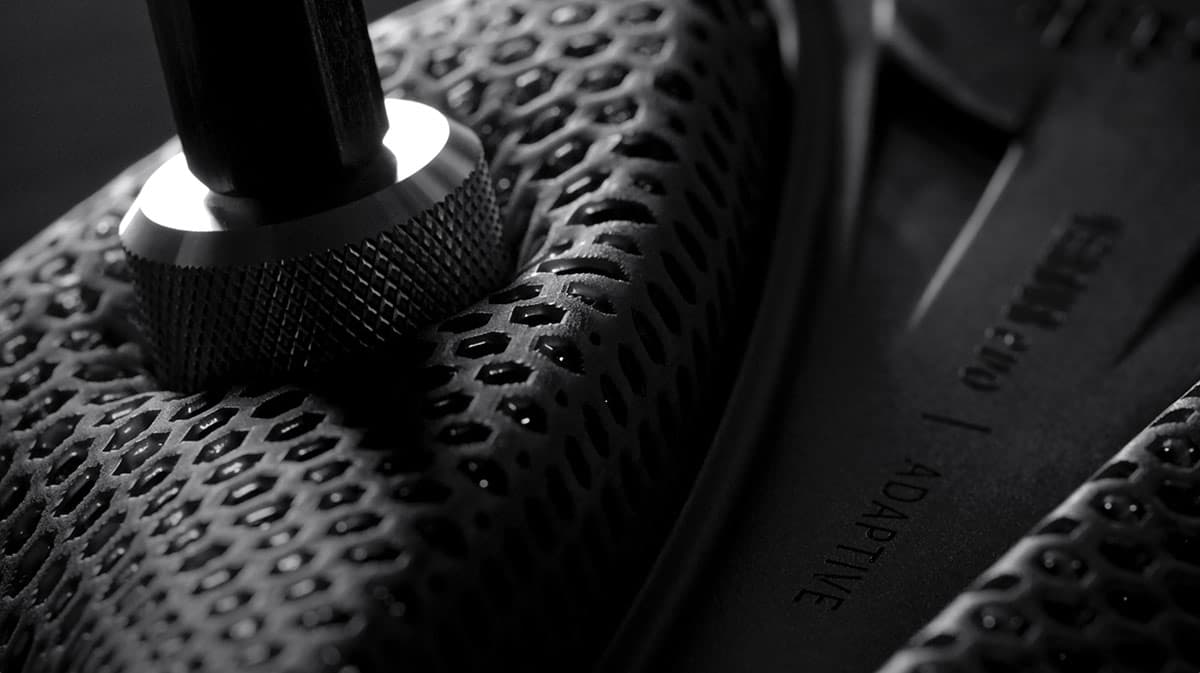
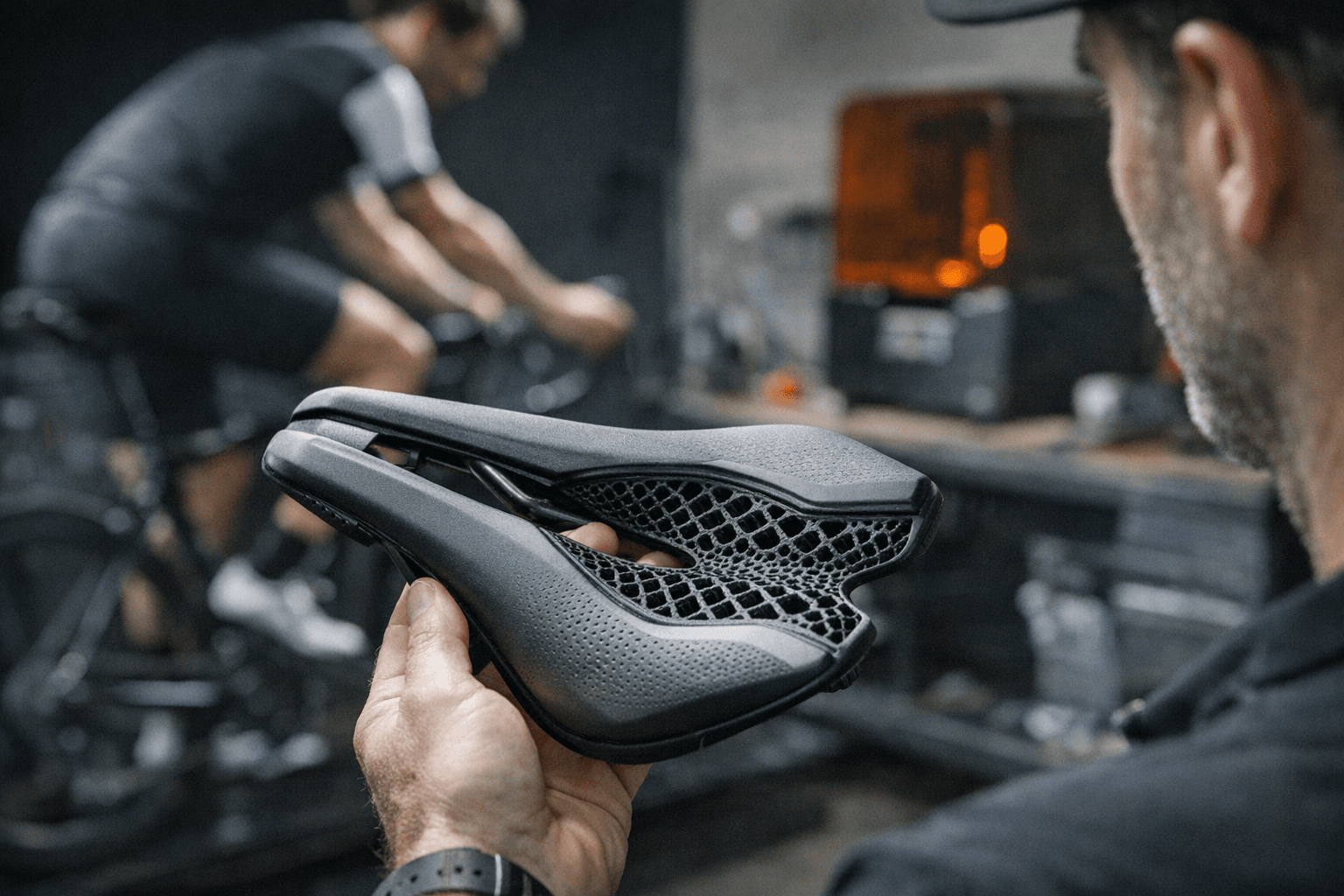
PRO unveiled the Stealth 3D saddle on January 13, 2026, bringing a zonal, 3D-printed EPU lattice core to a road saddle aimed at riders chasing comfort and light weight. The design separates the shell into three mesh zones - rear, support, and pressure-relief - with varied lattice density to tune support where riders need it and remove material where they do not.
At the top, the Stealth 3D uses additive manufacturing to place material only where needed. PRO couples the EPU 3D-printed core with a carbon-reinforced shell and 3D-printed EPU padding, producing two width options, 142 mm and 152 mm, and model weights from about 224 g for the Team version to roughly 260 g for the Performance version. Those figures put the saddle squarely in the high-end segment where marginal grams and targeted support matter to racers and long-distance riders alike.
The technical move is practical: zonal lattice architecture allows makers to vary stiffness and compliance within a single part without assembly or multi-material molding. For riders, that can translate to improved pressure distribution over the sit bones and perineal areas without adding bulk. For frame builders and component designers in the community, the Stealth 3D is a clear example of using additive manufacturing to deliver bespoke mechanical behavior and reduced material waste in production.
This debut also reflects a broader trend in sports gear: 3D printing is shifting from prototype phase into serial production for performance parts. PRO’s approach uses lattice tuning to reconcile competing targets - durability, targeted cushioning, and low mass - in one integrated structure. That reduces the need for traditional foam inserts or complex glue-up constructions and opens the door for future customization, whether by factory-set zones or more personalized fits.
For the 3D printing community, the Stealth 3D highlights practical questions to follow: how does long-term fatigue resistance of printed EPU compare to molded foams, how serviceable are lattice cores, and whether local bike shops and fitters will adopt demo fleets to let riders test zonal settings in real rides. The saddle’s specs make it relevant for racers and endurance riders alike, while its manufacturing story will matter to makers thinking about lattice optimization and production scaling.
The immediate takeaway is simple: PRO put lattice-level control into a market-ready saddle, advancing how additive manufacturing can solve comfort and weight trade-offs. Expect more brands to experiment with zonal EPU cores and lattice tuning as production techniques and rider demand converge.
Sources:
Know something we missed? Have a correction or additional information?
Submit a Tip