Protests and blockades trap Bolivia’s capital as Paz faces crisis
Blockades cut La Paz off from food, oxygen and fuel, exposing Rodrigo Paz’s weak grip on power and testing whether he can still govern without a legislative base.
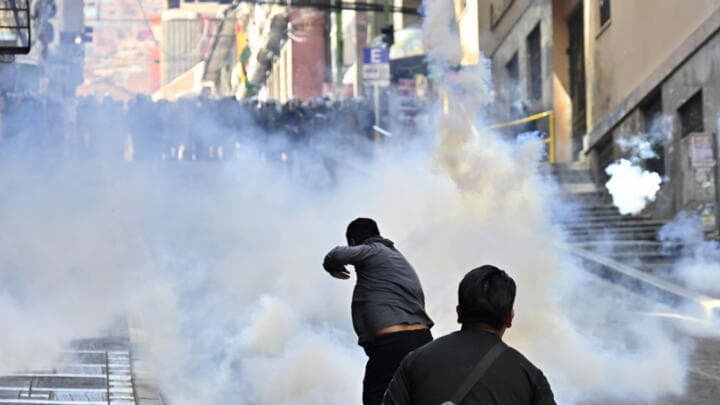
Road closures tightened around La Paz this week, emptying markets, depleting hospital oxygen supplies and turning Bolivia’s political capital into the front line of Rodrigo Paz’s first major test of authority. The government said at least three people died after emergency vehicles were blocked from reaching medical centers, a warning sign that the unrest had moved beyond politics and into a humanitarian crisis.
The protests widened over two weeks into a broad challenge to Paz’s presidency, drawing the Bolivian Workers’ Central, peasant unions, miners, farmers, teachers, transport workers and Indigenous groups. On Monday, supporters of Evo Morales clashed with police in La Paz as they joined demands for Paz’s resignation. The president, who entered office less than six months ago without a legislative majority or a strong party base, warned Friday: “Those seeking to destroy democracy will go to jail.”
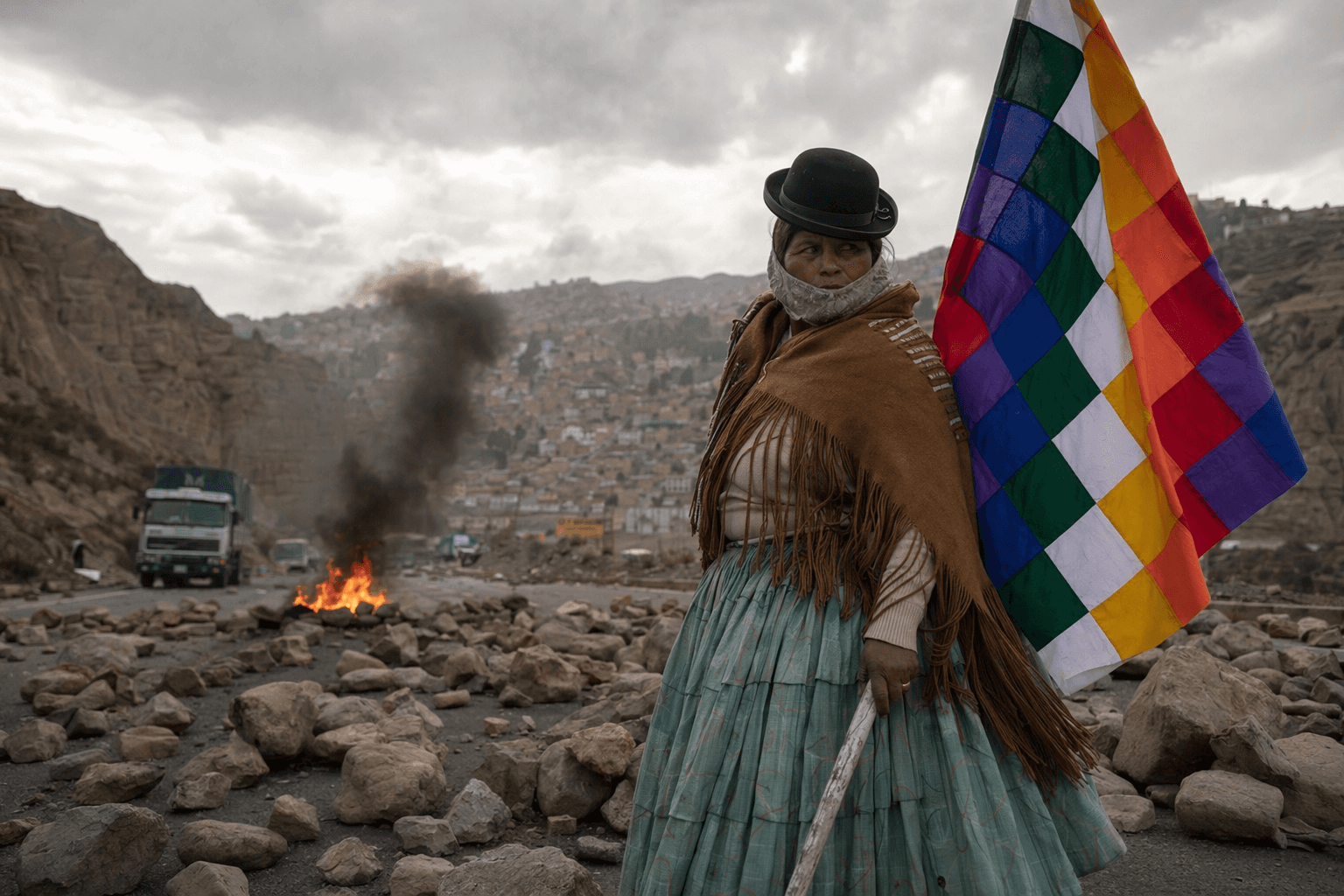
Paz annulled the land-mortgage law on May 13, but the concession did not stop the campaign. Instead, the blockades spread across the country, worsening fuel and food shortages and cutting off routes into the capital. Business organizations said the closures were costing the economy more than $50 million a day and leaving roughly 5,000 vehicles stranded on highways. The country’s inflation reached 14% in April, underscoring the broader collapse that has followed the breakdown of Bolivia’s natural gas sector and the resulting dependence on fuel imports.
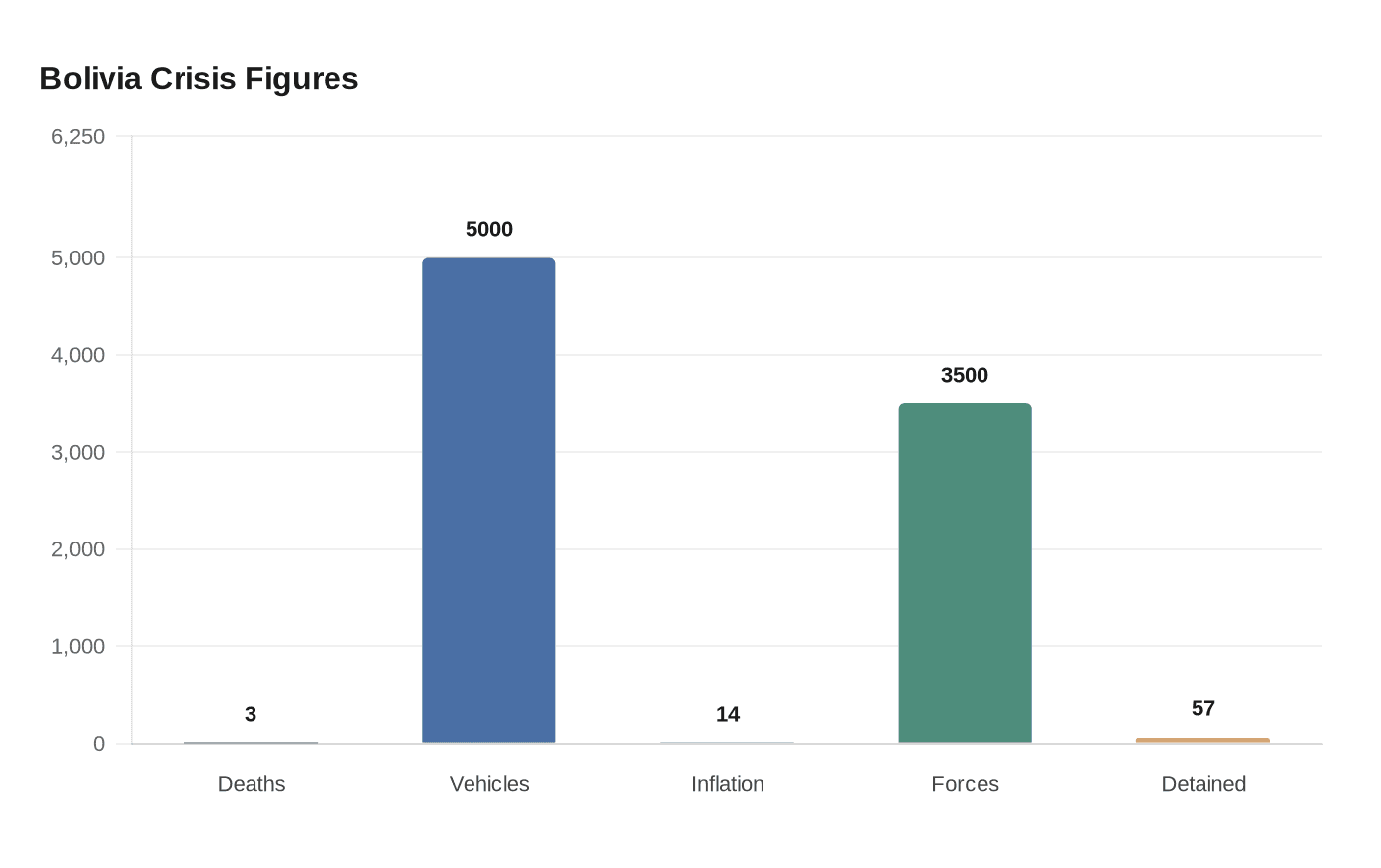
Security forces deployed about 3,500 soldiers and police on May 16 to open what the government called a humanitarian corridor for food, oxygen and medical supplies. Authorities said several convoys got through and more than 57 people were detained. YPFB, Bolivia’s state oil company, said roadblocks had forced it to suspend fuel shipments from its Senkata plant, deepening shortages already visible in long lines for petrol. Argentina supplied two aircraft to help airlift food into La Paz.
The confrontation also sharpened the struggle between Paz and the Morales camp. Bolivia’s attorney general’s office said an arrest warrant had been issued for Mario Argollo, head of the COB, on charges including terrorism and incitement, while Morales supporters warned that any attempt to arrest the former president could trigger a mass mobilization. On May 16, coca growers loyal to Morales seized Chimoré airport in the Chapare, signaling how quickly the crisis could spread beyond the capital.
Regional governments, including Argentina, Chile, Peru, Ecuador, Costa Rica, Paraguay, Panama and Honduras, urged dialogue and rejected efforts to destabilize democratic order. For Paz, the stakes now extend well beyond a dispute over roadblocks: the siege of La Paz has become an early verdict on whether his government can still command obedience, restore supply lines and reassert authority inside Bolivia’s strained democratic system.
Know something we missed? Have a correction or additional information?
Submit a Tip