Putin faces dwindling options in Ukraine as sanctions bite, Estonia says
Russia is still fighting hard, but Estonia says battlefield stalemate and sanctions are squeezing Putin’s choices. The question now is whether Moscow is adapting or being boxed in.

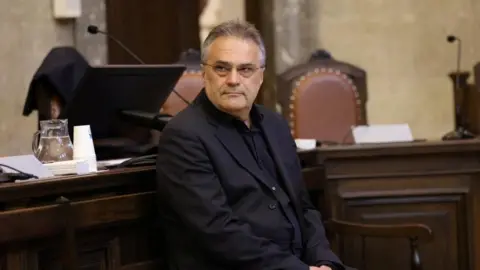
Vladimir Putin had few good options in Ukraine as Russian forces failed to make significant battlefield gains and Western sanctions kept chipping away at resources, Estonia’s foreign intelligence chief said.
Kaupo Rosin said Moscow was under both military and economic pressure and did not appear close to a breakthrough. From Estonia’s vantage point on NATO’s eastern flank, the war looked less like a sweeping advance than a grinding contest in which Russia was absorbing losses without securing the kind of strategic gains that would let Putin claim victory.
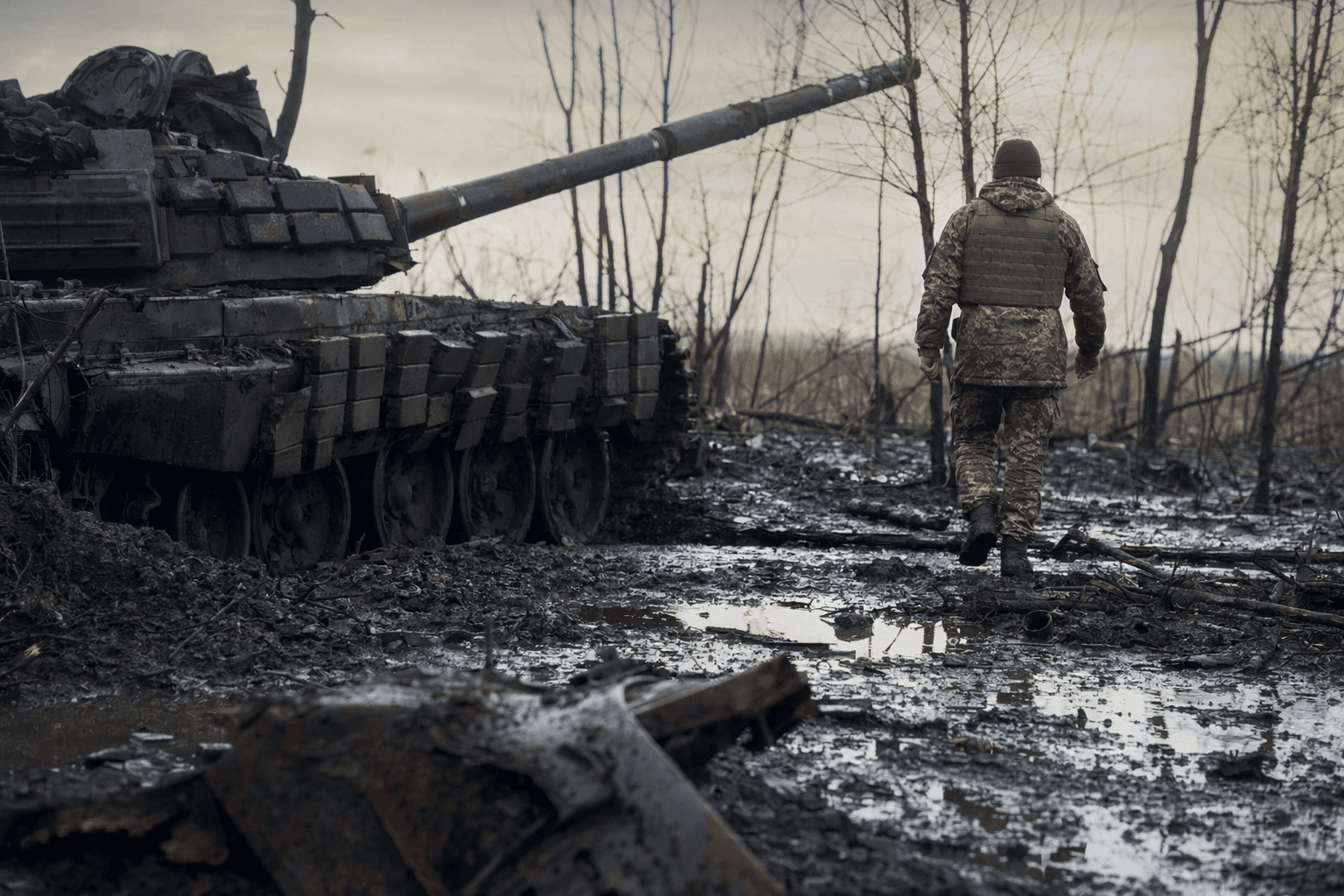
Rosin said Russia was losing more men than it was recruiting, a warning that points to a deeper manpower problem behind the front lines. He also said a general mobilization would be deeply unpopular inside Russia and could weaken domestic stability, making the Kremlin’s next steps more costly no matter which path it chooses.
That tension ran through Estonia’s public intelligence report published on February 10, 2026. The report said Russia had set long-term operational objectives in Ukraine and that peace-talk rhetoric was mainly a tactic to buy time. It also said Russia was facing increasingly severe economic challenges and was neglecting almost all non-military sectors as the war dragged on, with the risk of economic and social instability set to rise in 2026.
The Estonian Foreign Intelligence Service said Russia had no intention of militarily attacking Estonia or any other NATO member state in the coming year. Even so, the agency’s assessment left little doubt that Moscow remained dangerous and was being forced into careful calculations by pressure from Estonia and other NATO states.
The report said Russia had built a nationwide recruiting system to offset massive losses on the Ukrainian front, with regional governments under pressure to meet Ministry of Defence targets. Recruiters, it said, had increasingly leaned on large financial incentives, coercion, deception, intimidation and psychological pressure to fill the ranks.
Sanctions remained a central part of the squeeze. Estonia said they still affected the Russian economy, but loopholes persisted, especially around dual-use goods smuggling and sanctions evasion. Tallinn argued that those gaps had to be closed through targeted measures and stronger cooperation among Western countries if the pressure on the Kremlin was to deepen.
Estonia’s 2024 assessment had already said Russia’s military reform would likely increase Russian forces near the Estonian border in the years ahead and reflected preparation for possible future conflict with NATO. The message now from Tallinn was sharper: Putin is not free to escalate without risk, but he is still capable of adapting for a long war of attrition.
Know something we missed? Have a correction or additional information?
Submit a Tip