Putin faces mounting pressure as Russian advances stall in Ukraine
Russia lost 116 square kilometers in Ukraine in April, its first monthly setback since 2024, while Putin said the war could be “coming to an end.”
Russia’s war machine is still grinding, but the ground is no longer moving cleanly in Moscow’s favor. In April, Russian forces suffered a net loss of 116 square kilometers in Ukraine, the first monthly territorial setback since Ukraine’s incursion into Russia’s Kursk Oblast in August 2024, a sign that Vladimir Putin may be facing a real inflection point rather than a brief stall.
The slowdown has been stark on the front line. Analysts say advances in some of Russia’s most prominent offensives have fallen to roughly 15 to 70 meters a day, a pace that underscores how costly each mile has become. One assessment said Russian forces lost ground in Ukraine in April for the first time since summer 2024. Ukraine’s counterattacks, mid-range strikes and growing drone production have added pressure, while Russian command and communications problems have made it harder for Moscow to convert firepower into territorial gain.
That matters far beyond the map. Russia is paying an extraordinary price for minimal movement, and the strain points to deeper limits in manpower, ammunition and logistics. Strikes on Russian logistics and communications have increasingly shaped the battlefield, while persistent sanctions and battlefield attrition continue to weigh on Moscow’s ability to sustain the war at its current pace. The result is a campaign that still inflicts heavy damage, but increasingly struggles to produce decisive advances.
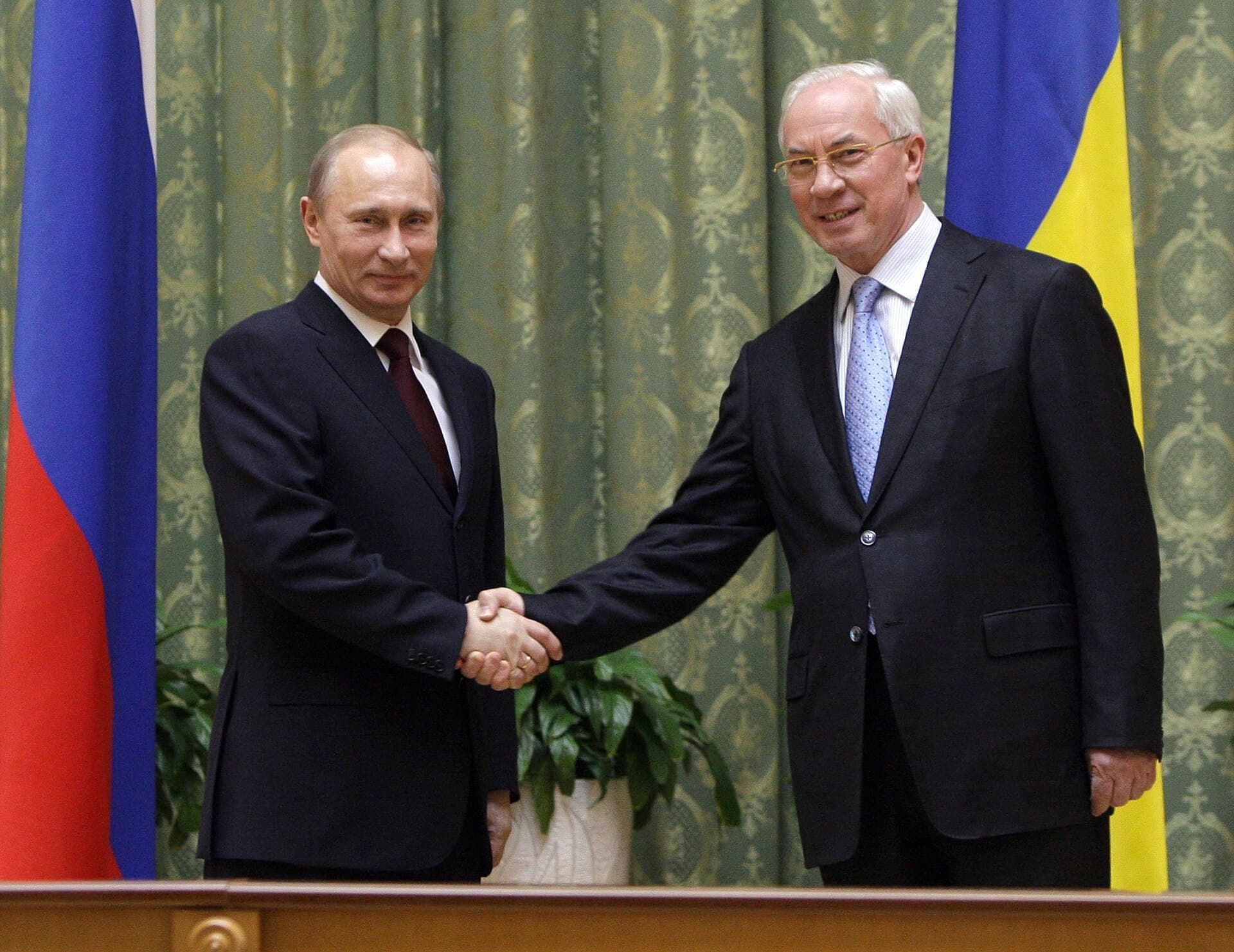
Putin has also begun to signal the possibility of de-escalation in public. On May 9, after promising victory at Moscow’s scaled-back Victory Day parade, he said he thought the war was “coming to an end.” A day later, he said he would be willing to meet Volodymyr Zelenskyy in a third country if a peace deal is finalized. Those remarks landed against a backdrop of hard fighting and political theater, with the Kremlin trying to project control even as the battlefield appears to be tightening around it.
The diplomatic opening remains fragile. In early May, Russia and Ukraine accused each other of violating separately declared ceasefires, including Moscow’s unilateral Victory Day pause and Kyiv’s own brief ceasefire offer. Whether Russia’s territorial slowdown proves to be a genuine turning point or only a temporary pause will shape the next phase of Western aid strategy, and determine whether Putin is negotiating from weakness or simply buying time.
This article was produced by Prism’s automated news system from verified source data, official records, and press releases, then run through automated quality and moderation checks before publishing. The system is built and supervised by the people who set the standards it runs under. Read our full AI policy.
Did this article answer your question?