Putin to visit Beijing for talks with Xi after Trump trip
Putin will arrive in Beijing just days after Trump’s visit, turning a diplomatic calendar into a test of China’s leverage over Russia and its balancing act with Washington.

Vladimir Putin’s trip to Beijing will do more than mark another summit with Xi Jinping. Coming only days after Donald Trump’s state visit, it turns China into the stage for a fast-moving diplomatic comparison, one that will show whether Beijing is managing both superpowers or quietly leaning on a more dependent Moscow.
The Russian leader is scheduled to visit China from May 19 to 20 for talks with Xi, on Xi’s invitation, the Kremlin said. Russian officials said the timing coincides with the 25th anniversary of the 2001 Treaty of Good-Neighbourliness and Friendly Cooperation. Putin and Xi are expected to discuss bilateral relations, key international and regional issues, and economic cooperation, and to sign a joint declaration at the end of the talks. Putin is also scheduled to meet Chinese Premier Li Qiang for discussions on trade and economic ties.
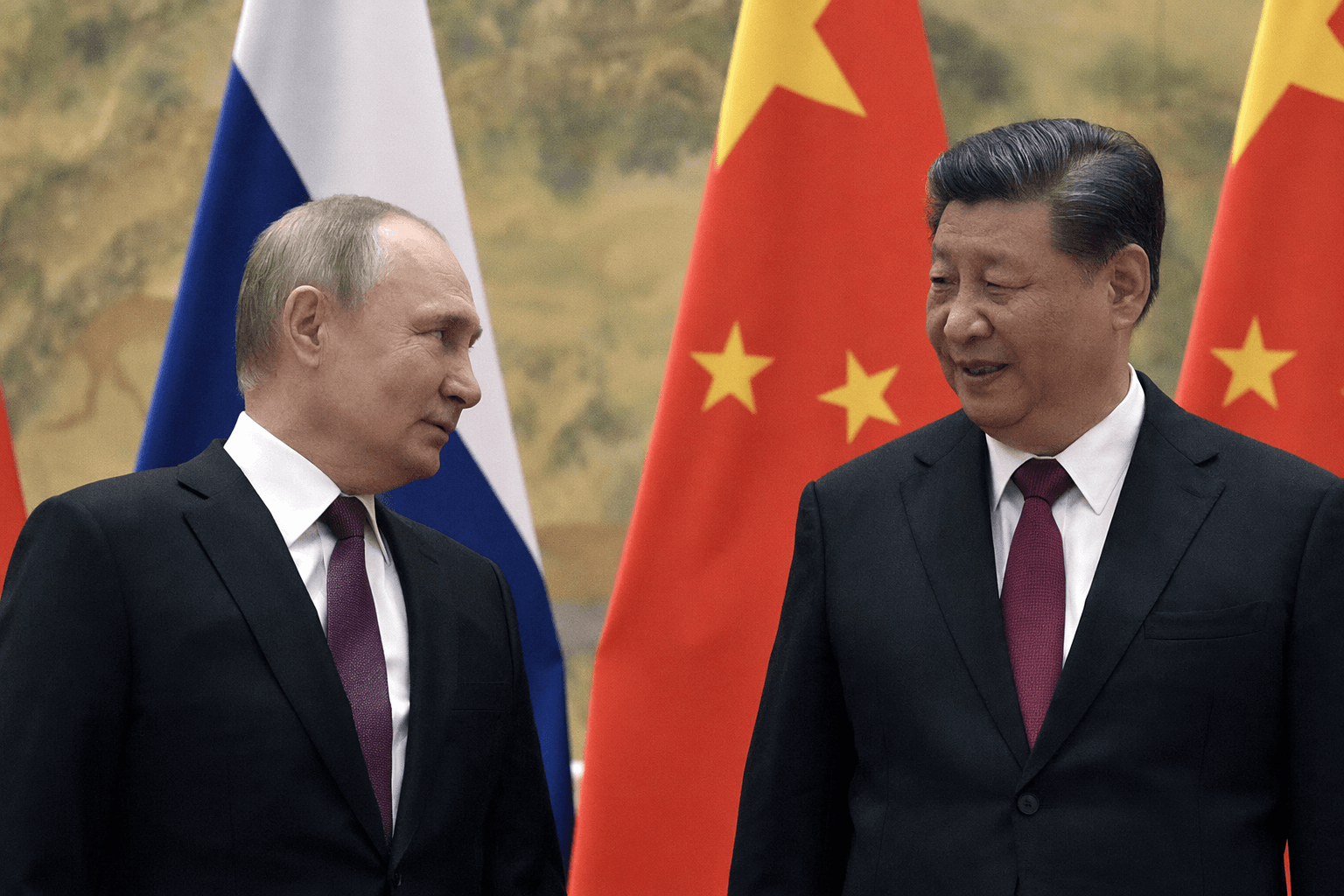
The visit lands immediately after Trump’s own state trip to Beijing on May 14 and 15, the first by a U.S. president to China in nearly a decade. Trump left without a major breakthrough on Ukraine or the Iran conflict, a result that gives Xi room to present China as a power able to host Washington and Moscow in close succession without conceding ground to either. For Putin, the optics are different: the Beijing stop offers a way to underline that Russia still has a powerful partner, even as sanctions and battlefield costs have pushed Moscow closer to China.
That closeness has deepened since Russia’s full-scale invasion of Ukraine in 2022. Beijing has become Moscow’s key economic partner, helping cushion the impact of Western sanctions, while China continues to say it is neutral and has not condemned the invasion. The choreography around the two visits suggests more than routine diplomacy. It signals that Xi wants to keep both channels open, while preserving enough leverage over Putin to avoid being seen as tied too tightly to Russia’s war.
The South China Morning Post said Putin’s visit is unlikely to feature the same elaborate welcome given to Trump and noted that the back-to-back trips are a rare case of nearly successive bilateral visits by the leaders of Washington and Moscow. It also said the sequence could make China the first country to host the leaders of the other four permanent members of the United Nations Security Council within months of each other. That would make Beijing’s message plain: China wants to be seen not as a bystander in the West’s conflicts, but as the central power able to manage them on its own terms.
Know something we missed? Have a correction or additional information?
Submit a Tip