Raúl Castro and the 1996 Cuba shootdown that killed four Americans
A reopened inquiry into Raúl Castro raises a harder question: whether the United States can ever enforce an indictment for a 1996 shootdown that killed four Americans.

The push to indict Raúl Castro has revived one of the most combustible questions in U.S.-Cuba relations: would a charge filed nearly 30 years after the attack mean real accountability, or mostly a symbolic gesture with little chance of enforcement?
On February 24, 1996, Cuban military jets shot down two small planes flown by Brothers to the Rescue, a Miami-based group of Cuban exile pilots. All four men aboard were killed: Armando Alejandre Jr., Carlos Costa, Mario de la Peña and Pablo Morales. The group said its flights were meant to search the Florida Straits for Cuban rafters fleeing the island and relay their positions to the U.S. Coast Guard. Cuban officials accused it of anti-Castro leaflet drops and other subversive activity.
The legal fight over the shootdown has never disappeared. Cuba said the planes were inside Cuban airspace and defended the attack as an act of sovereignty. The United States said the aircraft were over international waters, and the International Civil Aviation Organization later concluded the attack took place over international waters. The U.N. Security Council adopted Resolution 1067 in 1996, condemning the incident and noting ICAO’s findings.
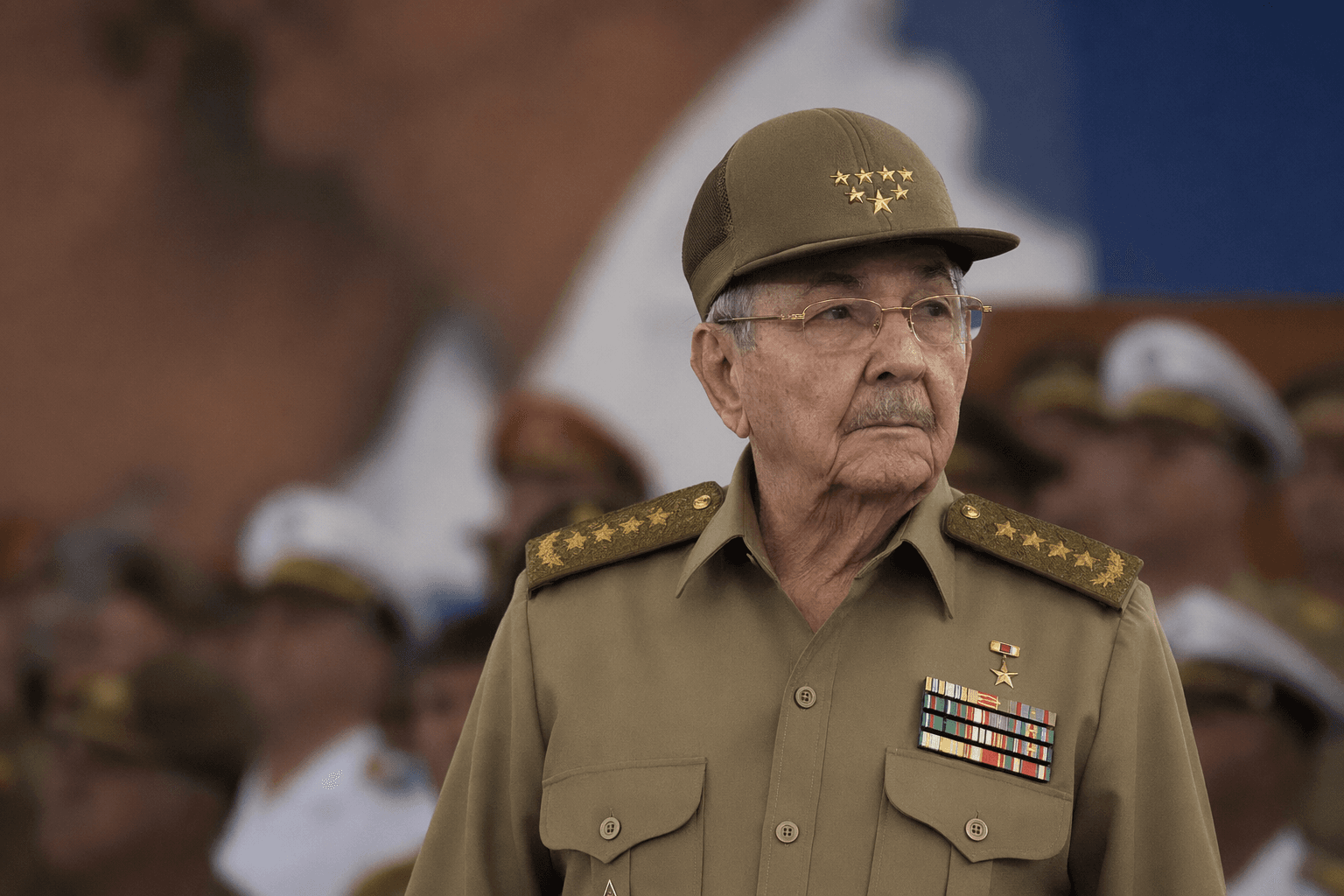
Raúl Castro was Cuba’s defense minister at the time and oversaw the armed forces. Reuters reported that Fidel Castro said after the incident that he had given general orders to stop the flights but had not specifically ordered the planes shot down, and that Raúl Castro also did not give a specific order. President Bill Clinton responded with sanctions, including suspending charter flights and restricting Cuban diplomats’ movement, but the Clinton administration did not bring criminal charges against either Castro brother.
That missed criminal case is now back at the center of the debate. Florida’s attorney general said on March 4, 2026, that a state-level criminal investigation into Raúl Castro’s role had been reopened after being shut down under the Biden administration. South Florida lawmakers including Mario Díaz-Balart, María Elvira Salazar and Carlos Giménez have called for an indictment, arguing that the passage of time should not erase responsibility for the deaths of four Americans.
The larger issue reaches beyond one case. If prosecutors moved ahead, the effort could set a precedent for how far the United States is willing to go in pursuing former foreign leaders over long-unresolved killings, even when the practical path to custody is unclear. For José Basulto, the founder of Brothers to the Rescue, the campaign has stretched across generations. He said he has been “wishing for justice” for a long time, and the renewed investigation suggests that the political and diplomatic costs of that search are still very much alive.
This article was produced by Prism’s automated news system from verified source data, official records, and press releases, then run through automated quality and moderation checks before publishing. The system is built and supervised by the people who set the standards it runs under. Read our full AI policy.
Did this article answer your question?


