Putin Vows to Seize Ukraine's Donbas, Militarily or Otherwise
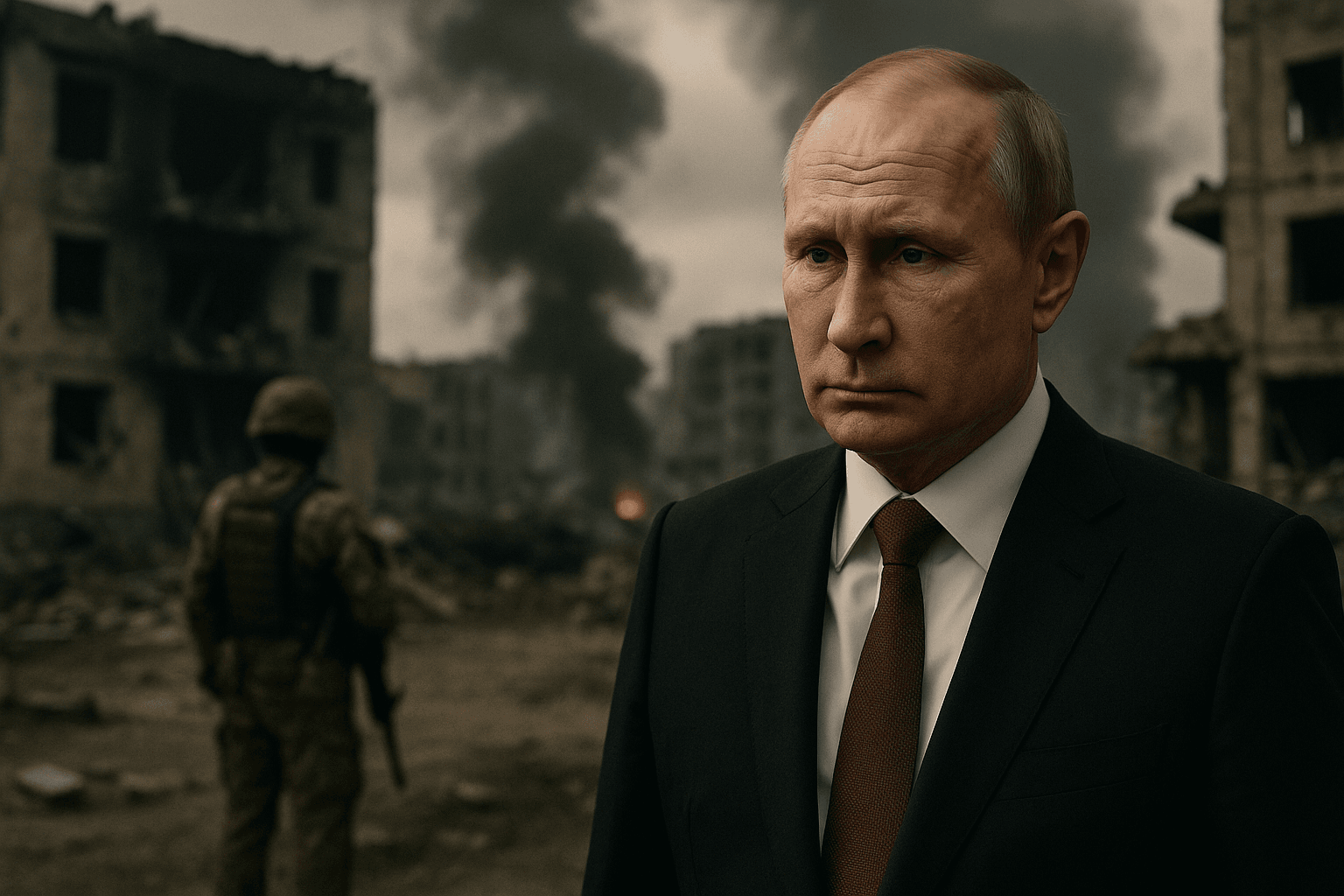
In an interview published December 4, 2025, President Vladimir Putin said Russia intends to take full control of Ukraine’s Donbas region either by force or if Ukrainian troops withdraw, repeating Moscow’s demand that Kyiv cede Donetsk and Luhansk. The declaration sharpens a long running geopolitical standoff that keeps sanctions, energy risks, and defense budgets at elevated levels while Kyiv rejects any territorial concessions.

In an interview published on Thursday, December 4, 2025, President Vladimir Putin said Russia would secure full control of Ukraine’s Donbas region either through military action or if Ukrainian forces withdrew, asserting that Moscow would achieve the outcome “one way or another.” The comments reiterate a persistent Russian aim first articulated ahead of and during the 2022 invasion, and come amid diplomatic exchanges between U.S. and Russian envoys that Moscow has said it views with conditional openness.
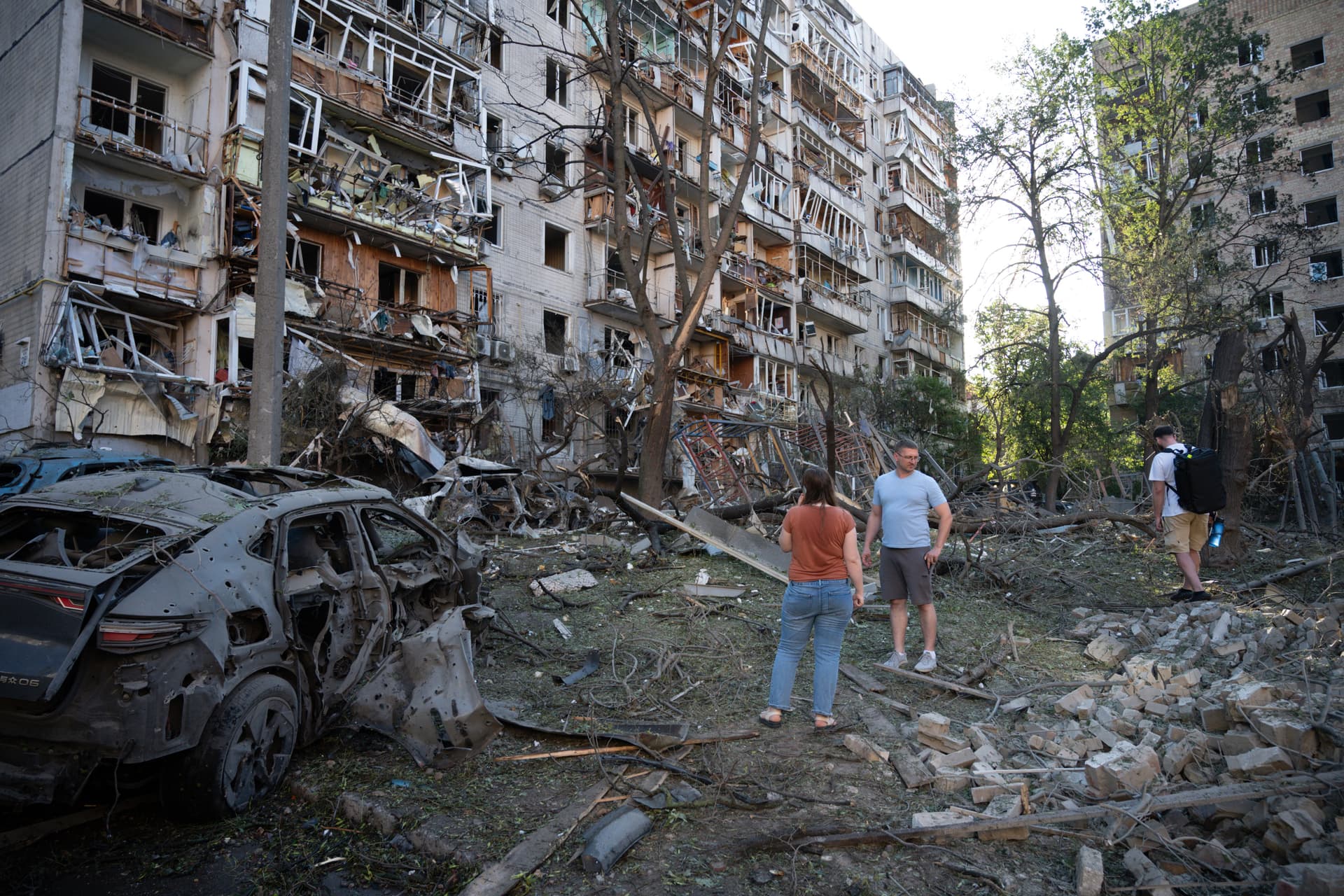
Putin’s remarks were delivered against a backdrop in which Russian forces and proxy authorities have declared referenda and subsequent annexations of occupied Ukrainian territory, moves that Western governments uniformly rejected as illegitimate. According to current mapping cited by Kremlin and Western analysts, roughly 19.2 percent of Ukraine’s internationally recognized territory is under Russian control, a total that includes Crimea and substantial parts of Donetsk, Luhansk, Zaporizhzhia and Kherson regions. Ukrainian forces continue to hold portions of Donetsk region, where fighting and artillery duels persist along multiple front line sectors.
The statement tightens an already fraught diplomatic environment. Washington and allied capitals have engaged in recent envoy level talks with Moscow. Russian officials have signaled limited receptivity to certain U.S. proposals, but Kyiv has made clear that ceding territory is non negotiable. That impasse points toward either renewed military pressure, a negotiated settlement that preserves Ukrainian sovereignty, or a protracted frozen conflict that would redraw control on the ground without international recognition.
Economically the persistence of territorial ambitions and the possibility of renewed offensive operations have tangible market and policy consequences. Energy markets remain sensitive to any escalation given Russia’s central role in global gas and oil flows to Europe, and investors continue to price in heightened volatility for commodity and defense related assets. Western governments have sustained layers of sanctions aimed at degrading Russia’s war making capacity, and those measures in turn shape Moscow’s trade patterns and budgetary choices. For Ukraine, continued conflict means ongoing reconstruction costs and prolonged disruption to agricultural exports, with implications for food prices in vulnerable importing countries.
Policy makers face difficult trade offs. Sustained military and financial support for Kyiv will likely remain the principal lever for preventing territorial concessions. At the same time Russian statements like Thursday’s increase pressure on NATO and European capitals to sustain deterrence measures and to consider longer term investments in energy diversification and defense capacity. Over the longer term, if Moscow consolidates control over parts of eastern Ukraine without international recognition, the region risks becoming a permanent zone of instability, complicating reconstruction, hampering economic reintegration, and entrenching a security architecture that will shape European policy for years to come.
This article was produced by Prism’s automated news system from verified source data, official records, and press releases, then run through automated quality and moderation checks before publishing. The system is built and supervised by the people who set the standards it runs under. Read our full AI policy.
Did this article answer your question?