Pyongyang faces first parking crunch as private car ownership surges
Pyongyang's parking lots are filling up, and the squeeze exposed a new kind of scarcity in a city long defined by control, not congestion.
Pyongyang has run into a problem once associated with far more ordinary cities: there was nowhere left to park. Passenger cars have surged enough to create traffic jams for the first time in the North Korean capital, with busy hotel grounds, shopping areas and other crowded sites filling up and vehicles spilling into nearby streets.
The change is small on its face, but it says a great deal about how life is shifting inside one of the world’s most tightly managed states. A parking shortage points to more than congestion. It reflects the spread of a limited consumer market, the growing reach of private demand and the friction that appears when a city built for control begins to absorb more individual ownership.
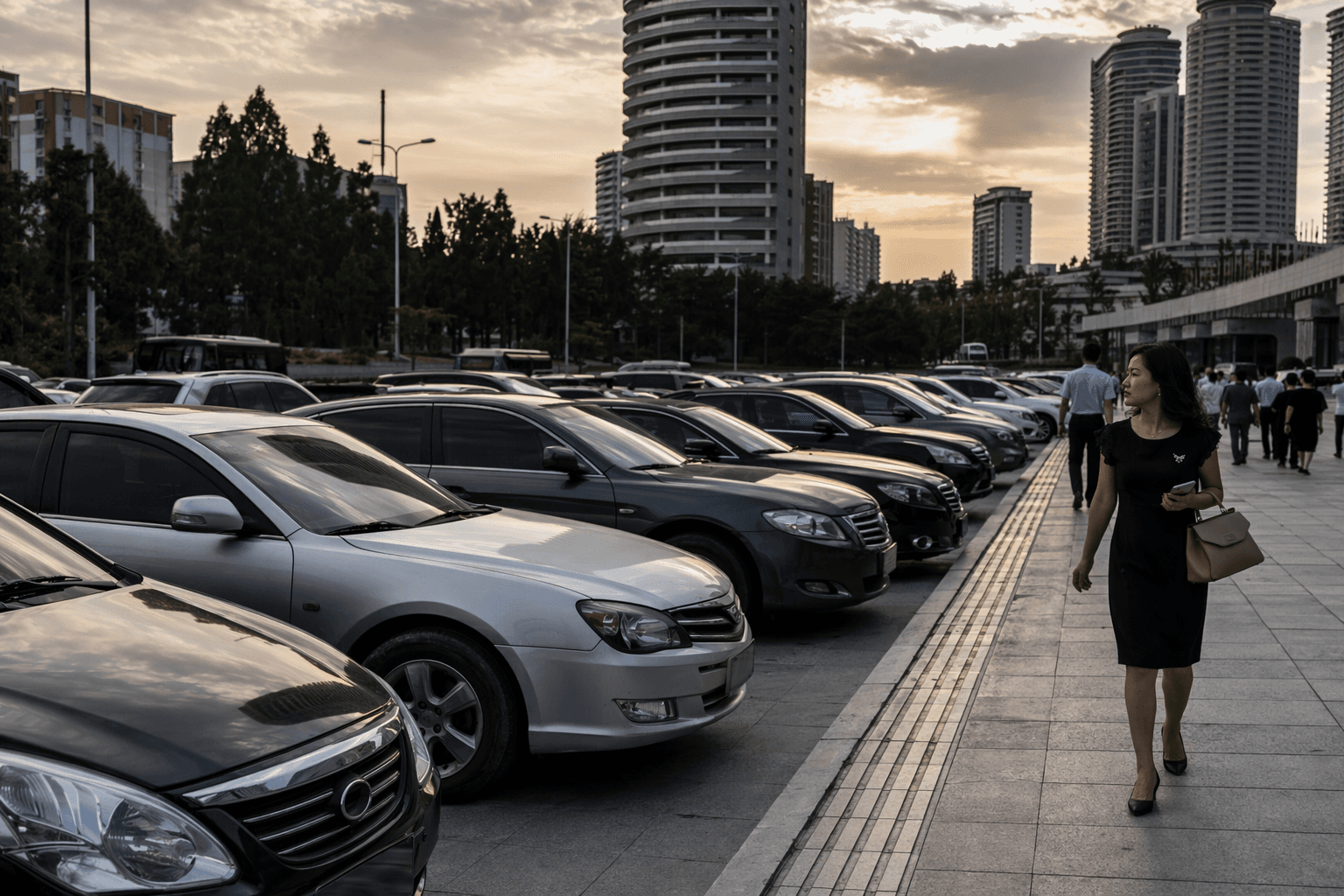
Three recent visitors described the same pattern, and satellite imagery reviewed from Pyongyang showed the problem was not confined to a single block or district. Cars packed lots at popular destinations and pushed outward into surrounding roads, a visual sign that the capital’s streets are absorbing more vehicles than they were designed to handle.
Kim Jong Un has clearly taken notice. He visited an auto-service center in April, a reminder that the leadership is paying attention not only to the vehicles themselves but also to the services needed to keep them running. That matters in a country where even a modest rise in private car ownership can quickly expose shortages in parking, charging and maintenance capacity.

The car boom has followed legal changes over the past two years that formalized private ownership. Licensed drivers were allowed to buy one vehicle per household through state-certified dealers, a controlled opening that still keeps most cars in the hands of elites and the donju, the entrepreneurial class that has gained influence in North Korea’s informal economy.
The broader supply chain is changing too. Imports from China of tires, mirrors and lubricants have risen, even as direct car exports to North Korea remain banned under U.N. sanctions. Pyongyang appears to be channeling new private demand through state-run firms while trying to keep the market inside official bounds.
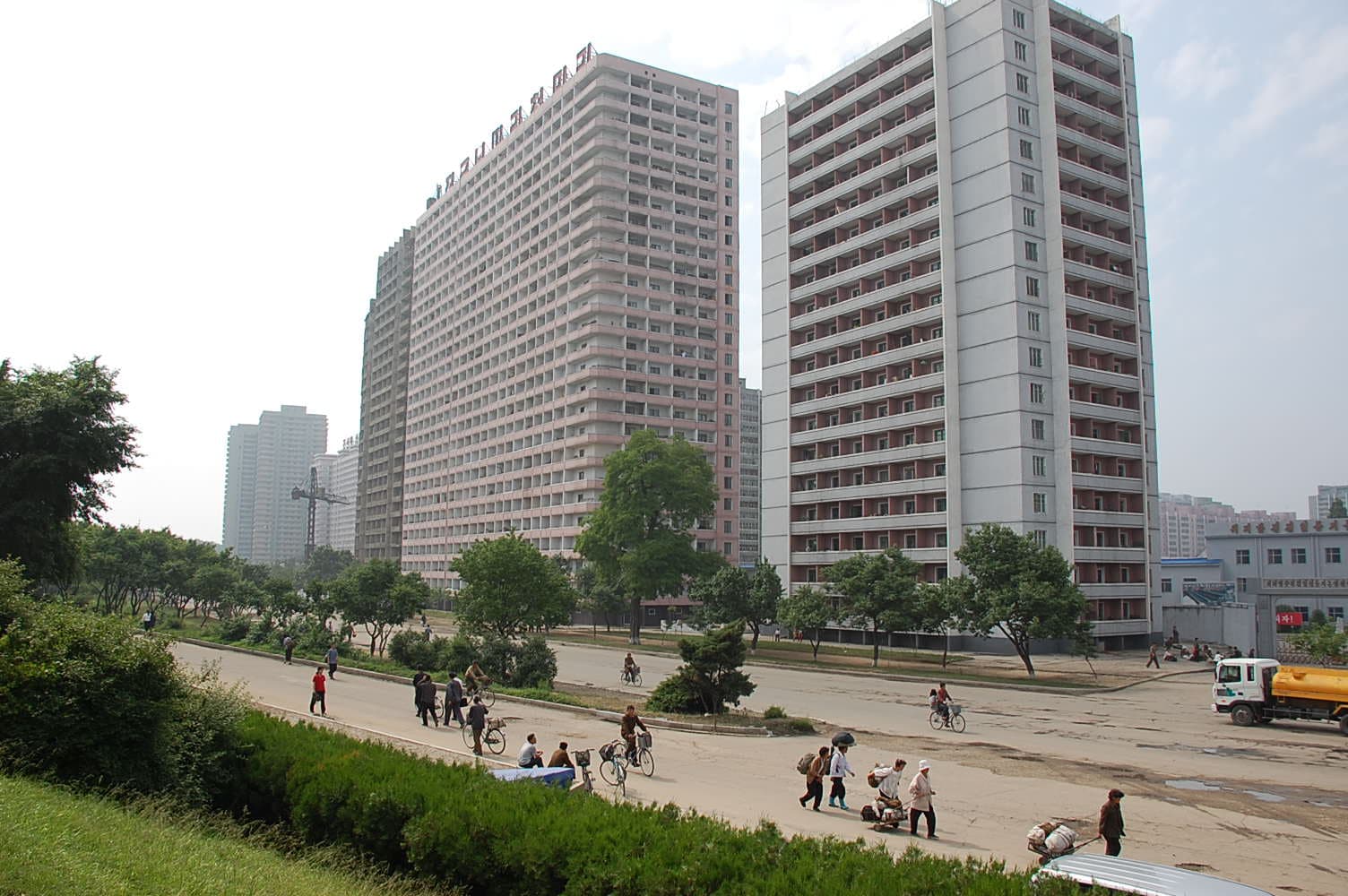
That balancing act is now meeting a very public limit. In a capital long associated with missile launches, shortages and rigid political discipline, a parking crunch has become a revealing marker of social change, showing how private mobility can create everyday pressure that propaganda rarely acknowledges.
This article was produced by Prism’s automated news system from verified source data, official records, and press releases, then run through automated quality and moderation checks before publishing. The system is built and supervised by the people who set the standards it runs under. Read our full AI policy.
Did this article answer your question?