Radev presses Trump on visa-free travel for Bulgarians
Rumen Radev pressed Donald Trump on visa-free travel for Bulgarians as Sofia tied a consular dispute to NATO cooperation and military access.

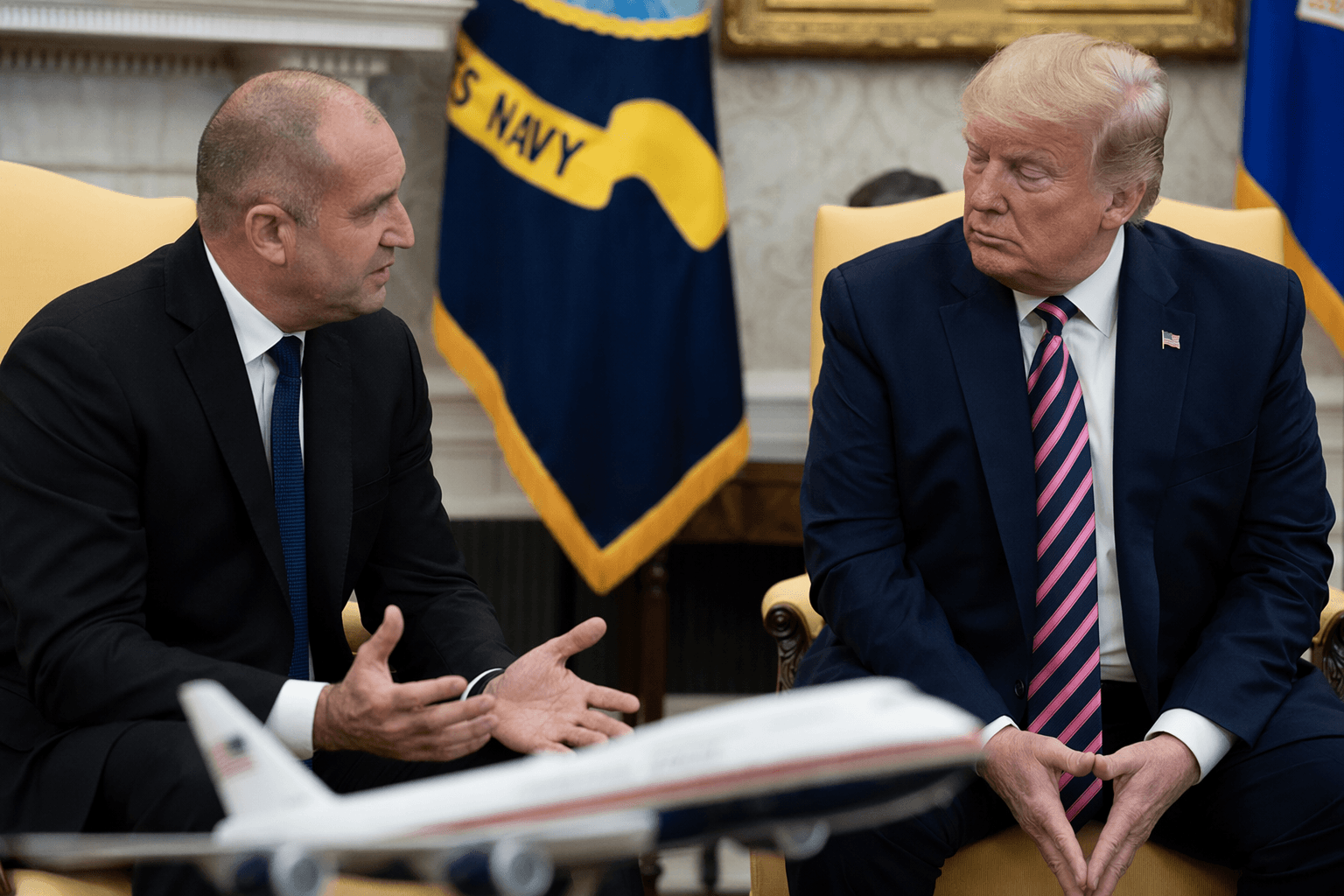
Bulgarian President Rumen Radev used a phone call with Donald Trump to put one of Sofia’s longest-running diplomatic goals back at the center of the bilateral agenda: visa-free travel for Bulgarian citizens to the United States. Radev said he raised the issue “insistently” and expected it to be considered urgently, turning a travel question into a test of how Washington treats a NATO partner on the alliance’s eastern flank.
The timing gave the appeal extra weight. More than a dozen U.S. aircraft were authorized to transit Bulgarian airspace and land in Sofia for refueling until the end of May, and Radev said he had also spoken with U.S. Defense Secretary Pete Hegseth about a request to keep those aircraft beyond that deadline. Bulgaria’s case was no longer framed only around tourism, business or student travel; it was being made alongside defense cooperation, airspace access and the broader political value of the U.S.-Bulgarian relationship.
For ordinary Bulgarians, the stakes are immediate. Visa-free access would remove a costly and time-consuming barrier for business trips, family visits and education in the United States. Inside Bulgaria, it would also carry symbolic value, signaling a deeper practical integration with Washington after years of diplomatic and security coordination.
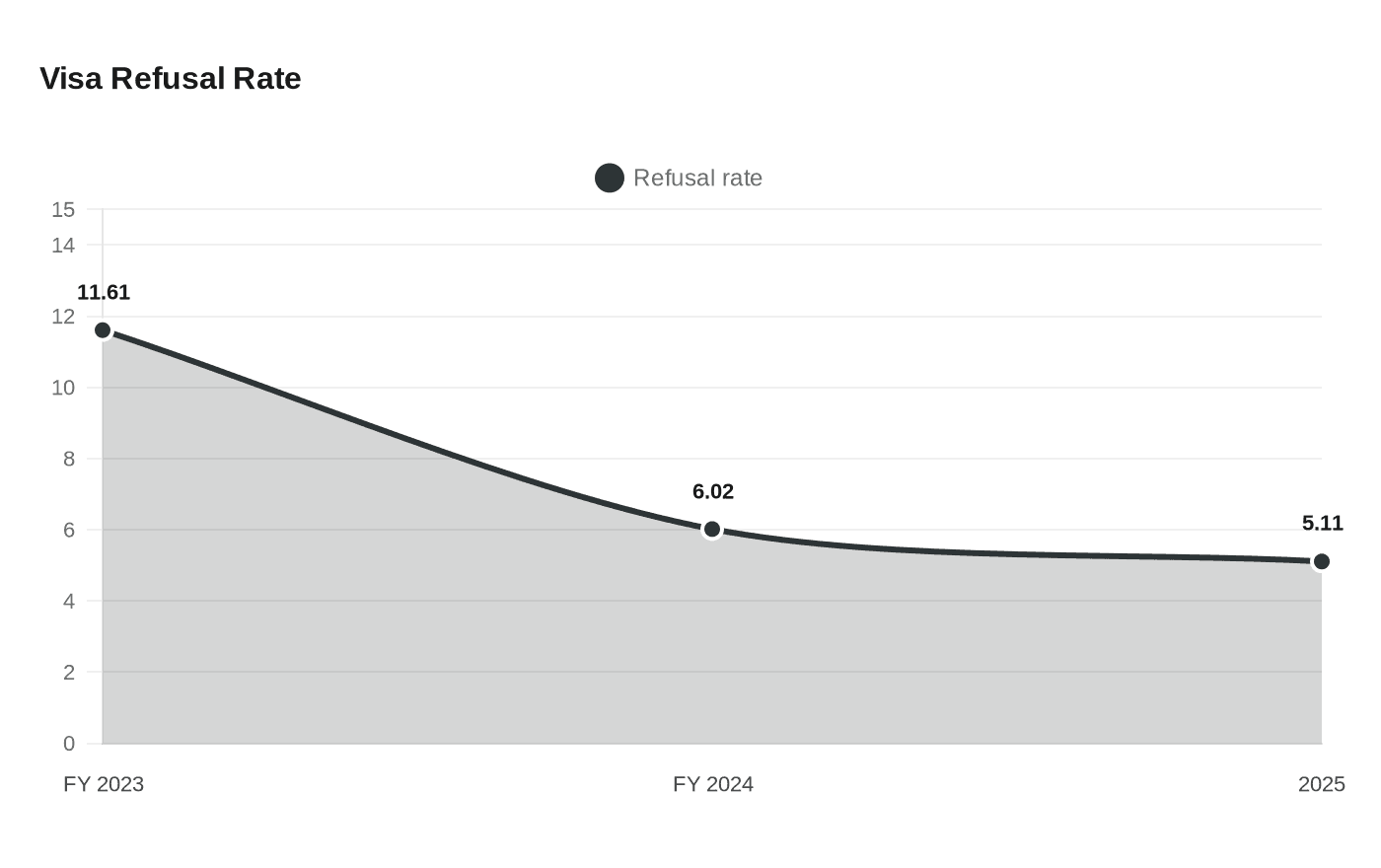
The clearest technical hurdle remains the visa refusal rate. Bulgaria’s Foreign Ministry said the country’s 2025 U.S. visa refusal rate was 5.11%, the lowest in nearly two decades, down from 6.02% in fiscal 2024 and 11.61% in fiscal 2023. But the figure is still above the commonly cited threshold of below 3% for inclusion in the U.S. Visa Waiver Program, which allows eligible nationals to travel to the United States for tourism or business for up to 90 days without a visa.
Sofia has tried to close that gap for years through better information-sharing and border and security coordination with Washington. The Foreign Ministry called the 5.11% rate tangible progress toward visa-waiver membership, and the government has presented the issue as a strategic national objective rather than a narrow consular fix.
Romania’s experience showed how fragile the process can be. Romania was designated for the program in January 2025, then had that designation rescinded by the U.S. Department of Homeland Security on May 2, 2025 after a review. For Bulgaria, that is a warning as much as a precedent: meeting the numbers matters, but political and administrative approval in Washington still decides the outcome. Sofia can press its case with military cooperation and alliance credentials, but the final call remains with the United States.
Know something we missed? Have a correction or additional information?
Submit a Tip