Radev Victory Could Bring Stability and Anti-Corruption Reset to Bulgaria
Rumen Radev’s landslide has opened the door to Bulgaria’s first single-party government in nearly three decades, but corruption, weak institutions and economic strain still stand in the way.
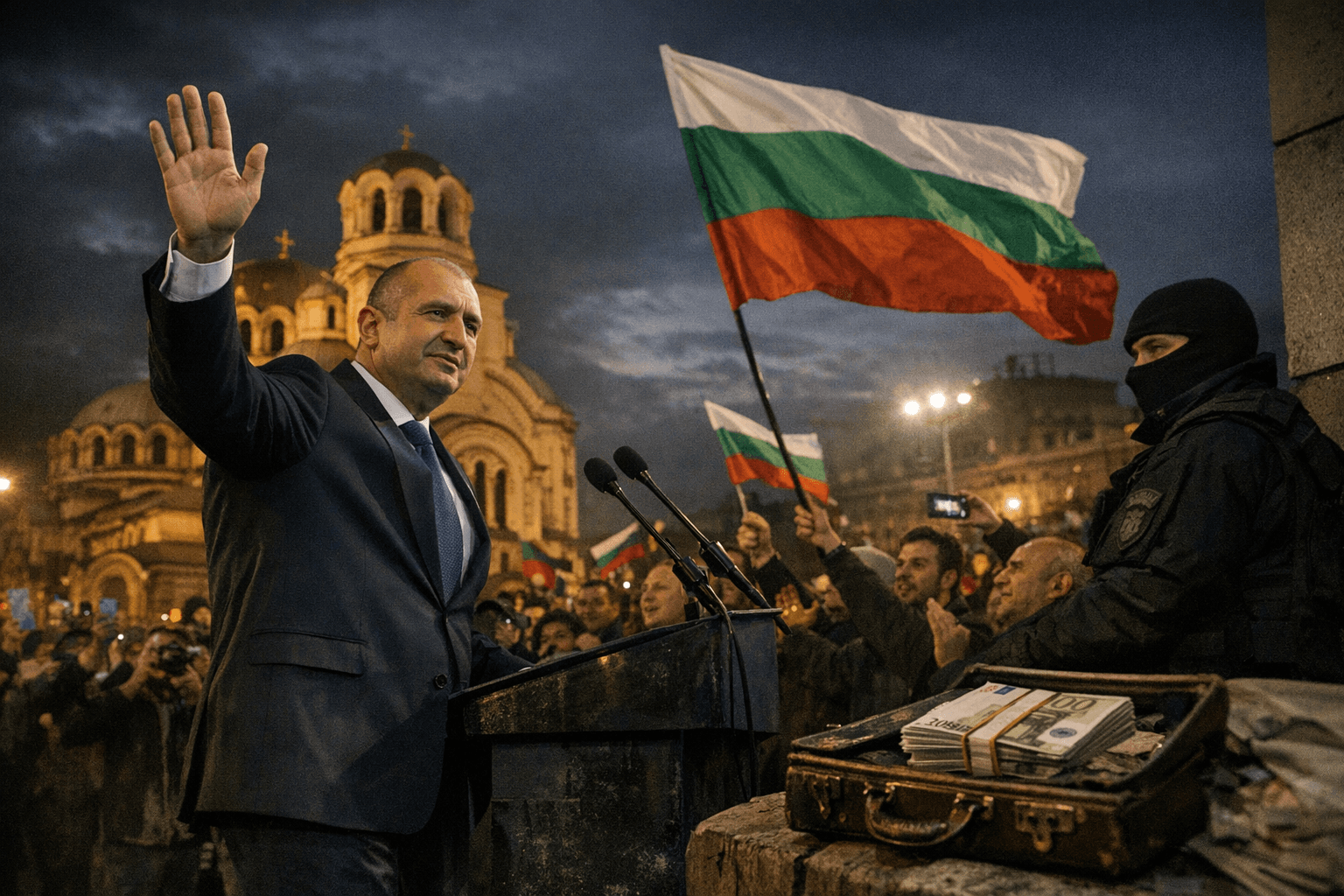
Rumen Radev’s landslide has given Bulgaria its clearest chance in years to break out of political paralysis and assemble the country’s first single-party government in nearly three decades. Early tallies and exit polls put his bloc at about 44% to 45% of the vote in the country’s eighth parliamentary election in five years, one of the strongest results for a single party in a generation.
The scale of the win matters because Bulgaria has been trapped in chronic instability, with fragile coalitions repeatedly collapsing and voters cycling through elections without producing durable rule. Radev stepped down from the largely ceremonial presidency in January 2026 to run for parliament on a hard-edged anti-corruption message, promising to sweep out what he called “corrupt officials, conspirators and extremists” he said were running the country. Supporters cast the result as a “victory of hope over distrust,” a phrase that captures both the public mood and the political stakes.
That hope was sharpened by events in December 2025, when mass anti-corruption protests brought tens of thousands into the streets and helped topple the conservative-led government. The latest result suggests that anger over graft has now been converted into a governing mandate, at least on paper. But the gap between an electoral rebuke and an institutional cleanup remains wide. Winning votes is not the same as forcing through judicial reform, curbing patronage networks or making ministries answerable to the public.
The pressure for change is real. Bulgaria remains the European Union’s poorest member by many measures, and corruption continues to weigh on growth, investment and trust in the state. The IMF has said incomes still lag most peers, regional disparities are large and structural reforms are needed to raise growth. The European Commission has also warned that real GDP growth is expected to slow gradually as domestic factors weigh on the outlook. Those constraints mean any new government will inherit not just a public demand for cleaner politics, but a weak economic base that gives little margin for delay.
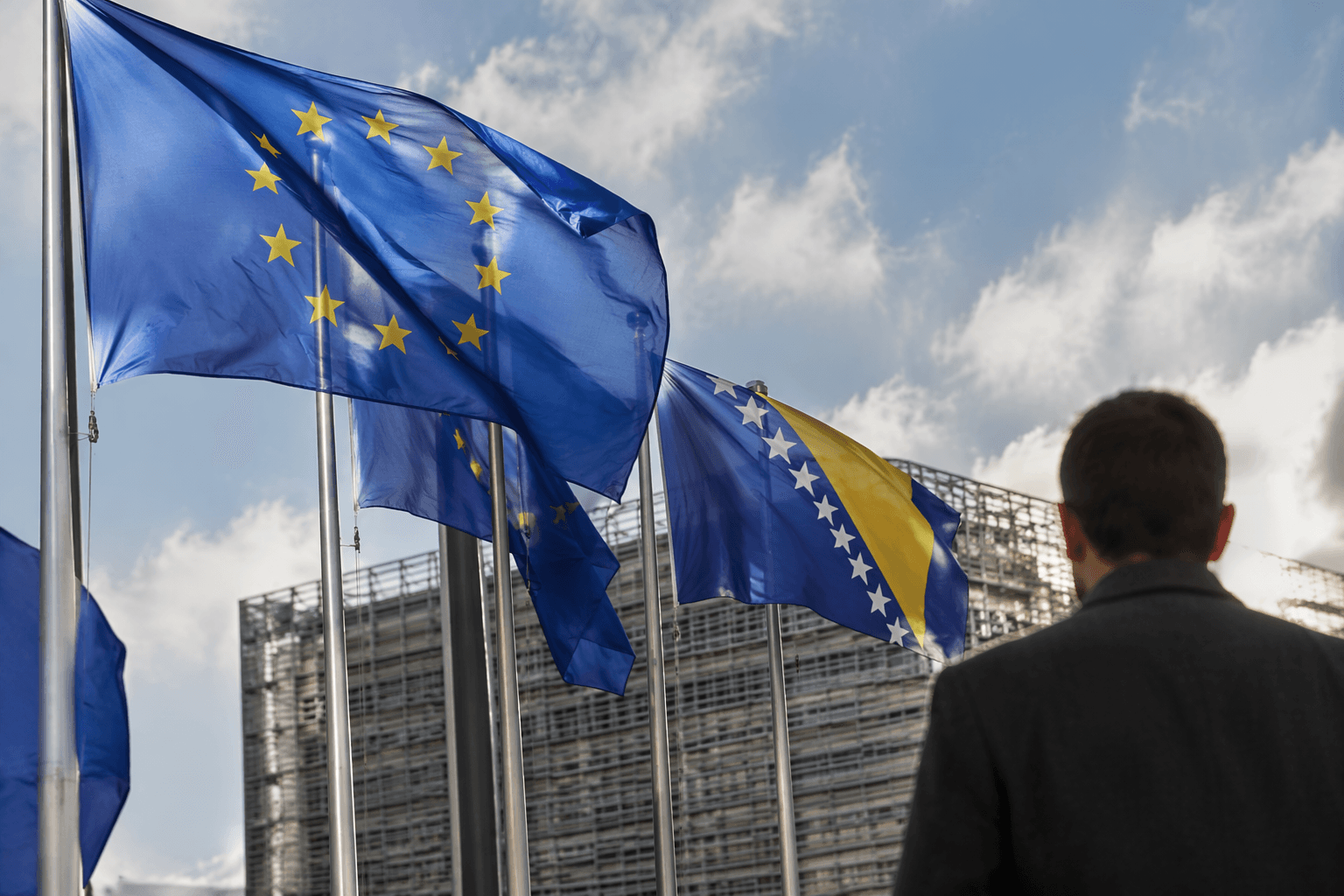
Radev’s victory could also reshape Bulgaria’s place in Europe. He has been widely portrayed as Russia-friendly and has opposed sanctions on Russia and military aid for Ukraine, a posture that could unsettle partners in the European Union and NATO even as his backers see him as a break from years of distrust. The ballot box has delivered a mandate for change; whether Bulgaria’s institutions can turn that into a durable anti-corruption reset is the harder test ahead.
This article was produced by Prism’s automated news system from verified source data, official records, and press releases, then run through automated quality and moderation checks before publishing. The system is built and supervised by the people who set the standards it runs under. Read our full AI policy.
Did this article answer your question?