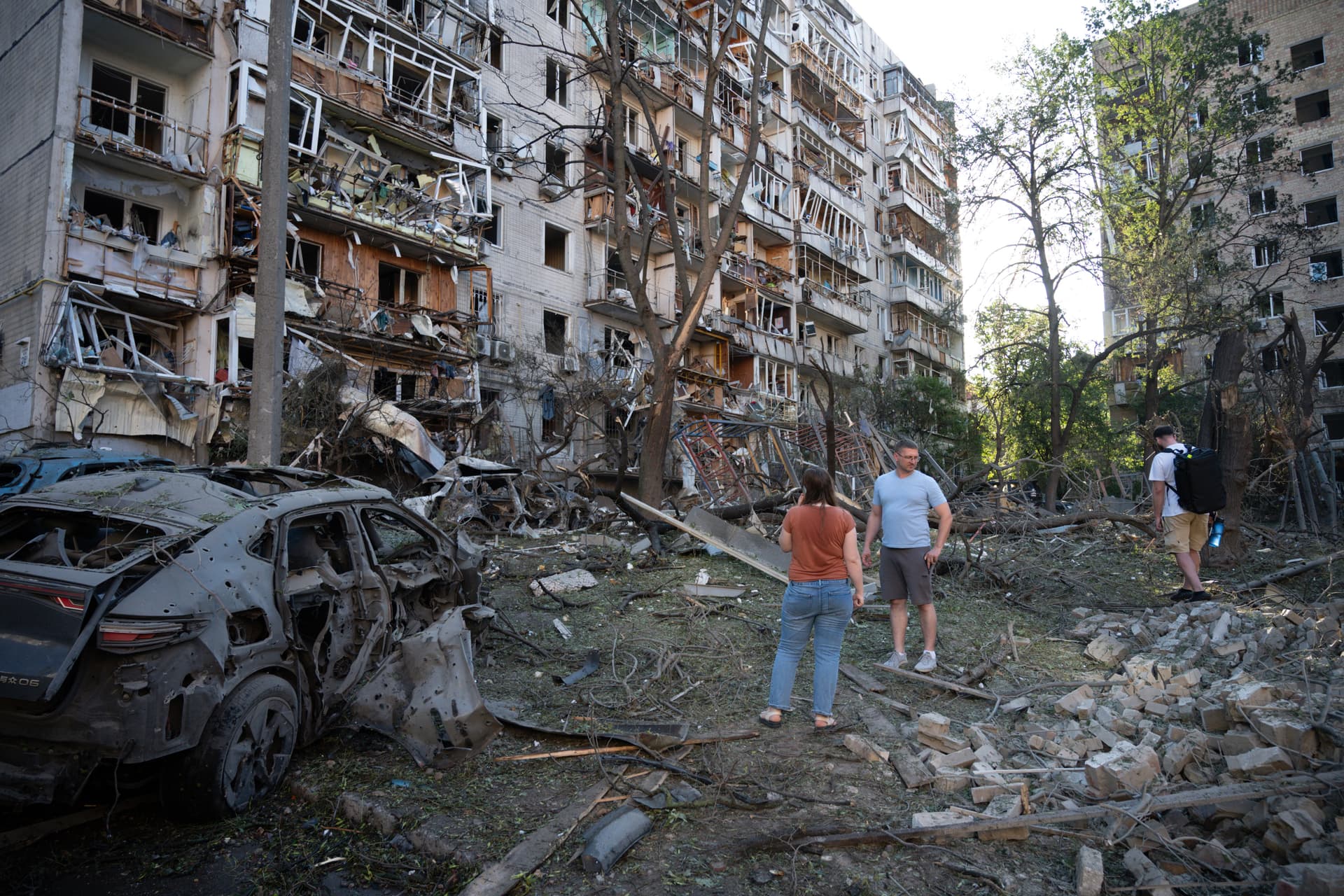
Rafah reopens, but tiny trickle crosses amid strict limits and delays
The Rafah crossing reopened under a limited pilot plan, but UN figures show only a handful of patients and companions passed through amid heavy screening and closures.

Rafah’s long-awaited reopening to limited traffic this week has produced far fewer crossings than planned, underscoring how tightly controlled movement remains along Gaza’s only external border not under Israeli administration. United Nations data show that over the first four days of the pilot operation just 36 Palestinians who required medical care left for Egypt, accompanied by 62 companions, far short of the negotiated capacity.
The arrangement negotiated by Israeli, Egyptian, Palestinian and international officials set strict daily limits: 50 people would be allowed to return to Gaza each day and 50 medical patients would be permitted to leave, each patient allowed two companions. An Egyptian official, speaking on condition of anonymity, said 50 Palestinians would cross in each direction on the first day. In practice the flows have fallen well below those ceilings; on the second day 40 people were allowed to leave Gaza and 40 to enter, then numbers declined again later in the week.
Officials and travelers described an arduous screening regime that stretched processing times and left many stranded. In the opening hours no one was seen crossing in or out; later travelers reported hours-long questioning and, in some cases, being handcuffed and interrogated by Israeli soldiers. Luggage checks and lists of forbidden items snarled movements, travelers said cigarettes, water and other liquids such as perfume were being confiscated, and operational rules limited personal belongings: each traveler may carry one mobile phone and a small amount of money only if they submit a declaration 24 hours before travel. Staff running the crossings adopted a sequential mechanism that allowed one admission to Egypt to trigger one admission into Gaza, a process that lengthened the operation and delayed convoys. One bus carrying returnees on Wednesday did not reach its Gaza drop-off until 1:40 a.m. on Thursday.
The crossing’s brief run was punctuated by confusion and temporary closures. State-run Egyptian media and an Israeli security official confirmed the reopening; authorities closed Rafah again on Friday and Saturday amid operational uncertainty. Photographs taken during the week showed trucks lining up at the Egyptian gate on Feb. 1 for inspection and, on Feb. 4, patients and relatives boarding buses in Khan Younis bound for Rafah.
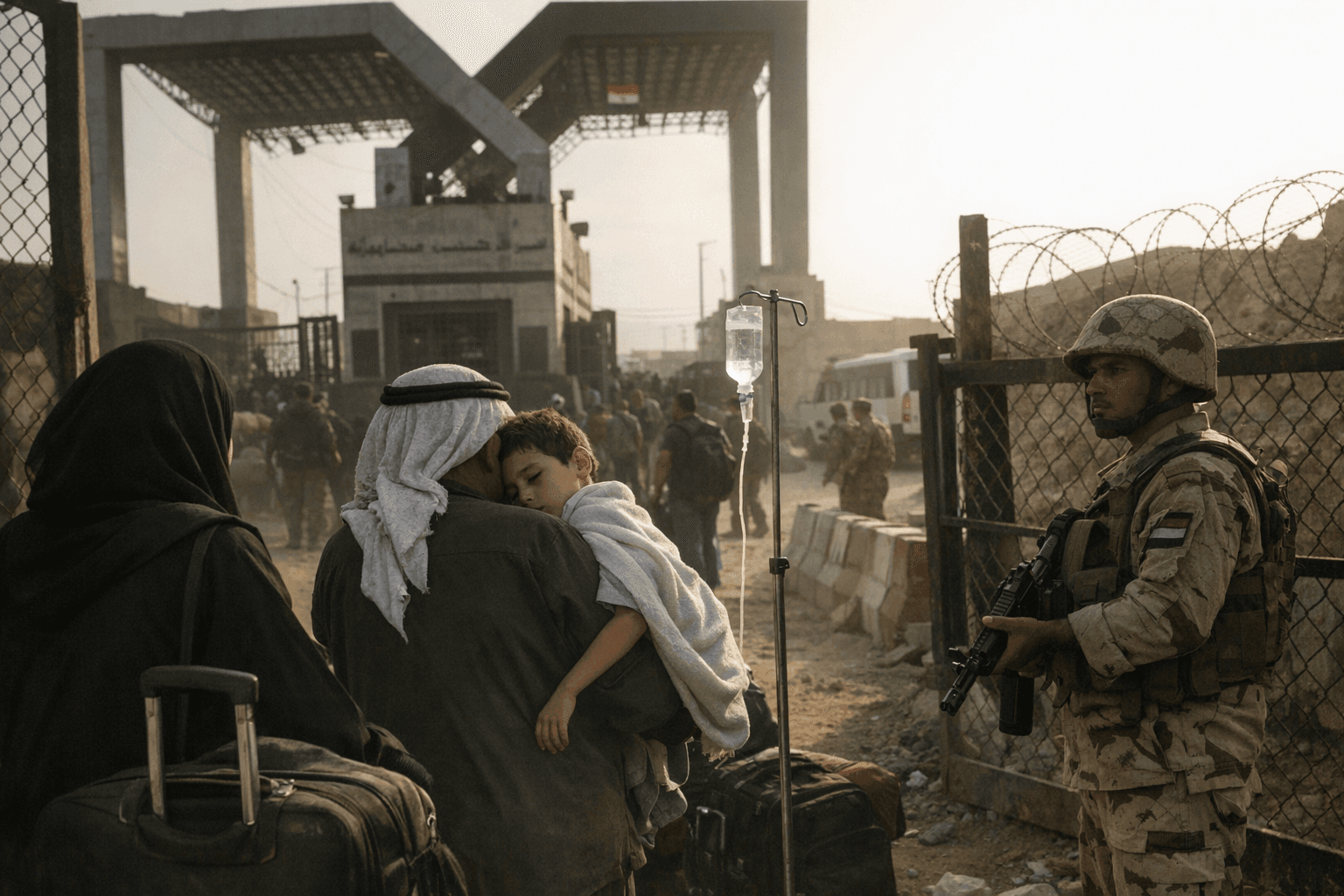
For many inside Gaza the pilot offers only a slender reprieve. Palestinian officials called the opening a “window of hope,” even as Gaza health officials estimate roughly 20,000 people, “About 20,000 Palestinian children and adults needing medical care hope to leave”, require treatment not available inside Gaza and are seeking passage. Observers described the move as “largely symbolic,” noting that no goods are being allowed to transit during this phase and that the daily passenger caps will leave the vast majority of those in need unable to travel.
The pilot is being watched as a test of whether the crossing can be run predictably and humanely. For now the figures tell a stark story: a crossing reopened in theory as a corridor for relief and care, but in practice a narrow, bureaucratically bound gate that moves only a trickle of people while tens of thousands remain desperate for treatment and for connections to the outside world.
This article was produced by Prism’s automated news system from verified source data, official records, and press releases, then run through automated quality and moderation checks before publishing. The system is built and supervised by the people who set the standards it runs under. Read our full AI policy.
Did this article answer your question?