Ukraine reels from mass energy strike as U.S. sets June peace deadline
A massive overnight attack knocked out power infrastructure as Washington pressed for a Ukraine-Russia deal by June, raising energy, market and reconstruction risks.

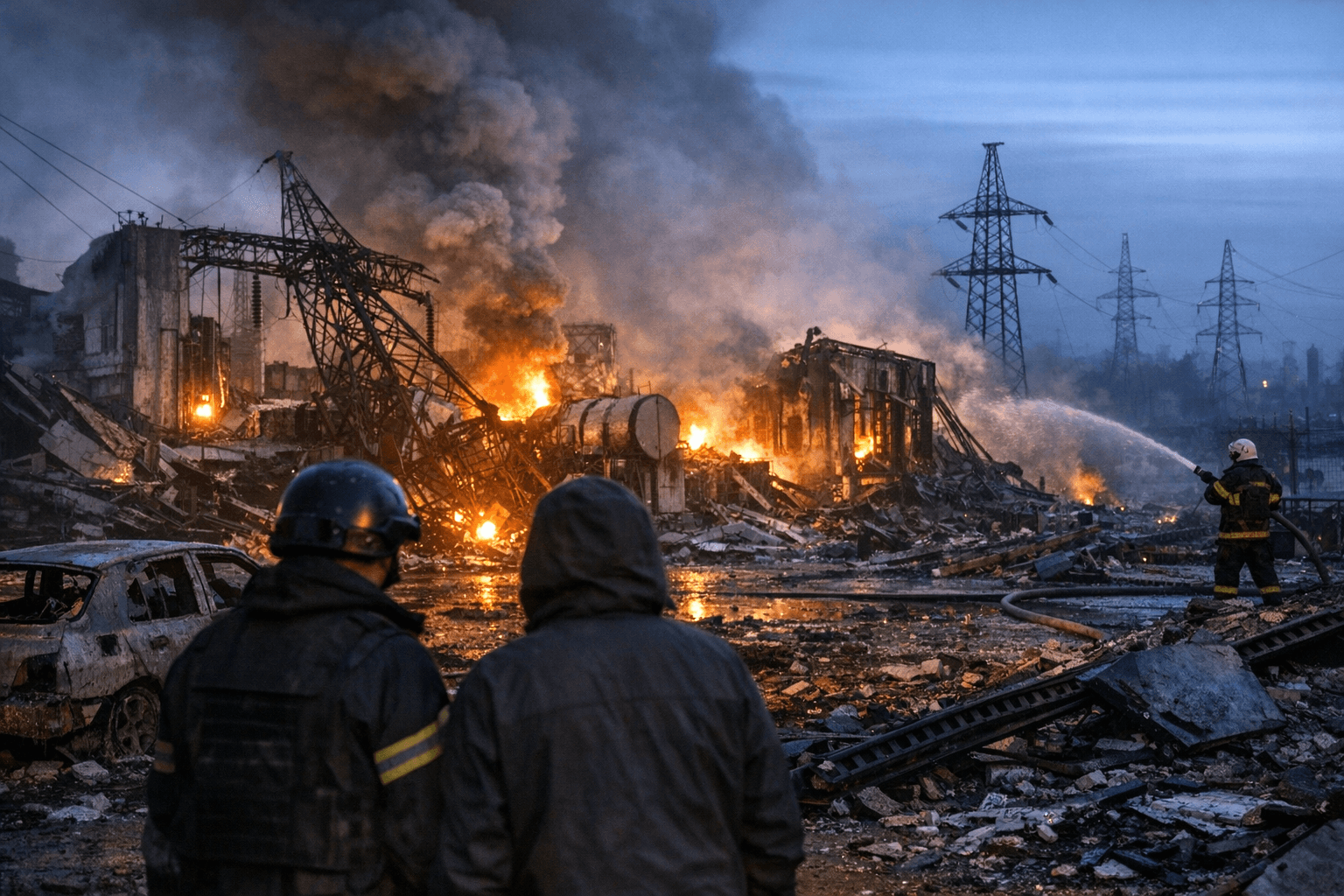
Ukraine faced a crippling overnight assault on its power system just as U.S. mediators pushed Kyiv and Moscow toward a negotiated end to nearly four years of war by June. President Volodymyr Zelenskyy said the attack involved "more than 400 drones and around 40 missiles," and the state grid operator said eight energy facilities across eight regions were hit, forcing nuclear power plants to reduce output.
Ukrenergo described the assault as the second mass strike on energy infrastructure since the start of the year and said reductions at nuclear stations were necessary to preserve grid stability. The strikes targeted generation, transmission and distribution networks, compounding winter heating risks for households and industry and squeezing an already fragile energy supply ahead of peak demand seasons.
The twin developments - intensified strikes and an accelerated diplomatic timetable - underline the strategic role of energy in the conflict. Zelenskyy framed the attacks as deliberate leverage: "It is crucial that everyone who supports the trilateral negotiations respond to this. Moscow must be deprived of the ability to use the cold as leverage against Ukraine," he wrote on X. Officials in Kyiv and Western capitals have long warned that winter power outages would inflict humanitarian costs and amplify economic damage.
At the same time U.S. mediators delivered a hard calendar. Zelenskyy said "the Americans are proposing the parties end the war by the beginning of this summer and will probably put pressure on the parties precisely according to this schedule" and that Washington told negotiators it "wants to get everything done by June." Kyiv confirmed it would attend a proposed next round of trilateral talks in the United States next week, with Zelenskyy saying, "We confirmed our participation."
The U.S. mediation team, led publicly by special envoy Steve Witkoff alongside Jared Kushner, cast recent confidence-building steps as proof of progress. "Sustained diplomatic engagement is delivering tangible results and advancing efforts to end the war in Ukraine," Witkoff said after a prisoner exchange in early February in which each side reportedly handed over 157 detainees. Russia's negotiator, Kirill Dmitriev, told state media the talks were moving in a "good, positive direction" and presented Washington with a large economic proposal that Zelenskyy called the "Dmitriev package," placing its value at $12 trillion.
Policy and market implications are immediate. Damage to generation and transmission raises the likelihood of rolling outages and forces energy managers to run more expensive reserves or import power, which could lift wholesale electricity prices and increase fiscal outlays for emergency procurement and household subsidies. Longer term, repeated strikes on critical infrastructure elevate reconstruction costs, heighten capital risk premia for Ukrainian sovereign debt, and may deter private investment in energy and industry until security prospects stabilize.
The political calculus is fraught. Kyiv insists it will not cede territorial claims in the Donbas, a red line Zelenskyy summarized as "We stand where we stand." Washington has hinted that it may apply leverage if the June timeline slips, but U.S. officials have not publicly specified what measures that would entail.
The coming week will test both the diplomatic timetable and Ukraine's energy resilience. If talks in Miami proceed and deliver clear steps on a ceasefire that protects infrastructure, pressure on domestic energy systems could ease. If strikes continue, however, the economic and humanitarian fallout will deepen, tightening the trade-offs facing negotiators and markets alike.
This article was produced by Prism’s automated news system from verified source data, official records, and press releases, then run through automated quality and moderation checks before publishing. The system is built and supervised by the people who set the standards it runs under. Read our full AI policy.
Did this article answer your question?


