RAIB publishes preliminary report on fatal red-signal train crash
A train passed a red signal and the crash turned fatal, putting the spotlight on the layers meant to stop one mistake from becoming a disaster.
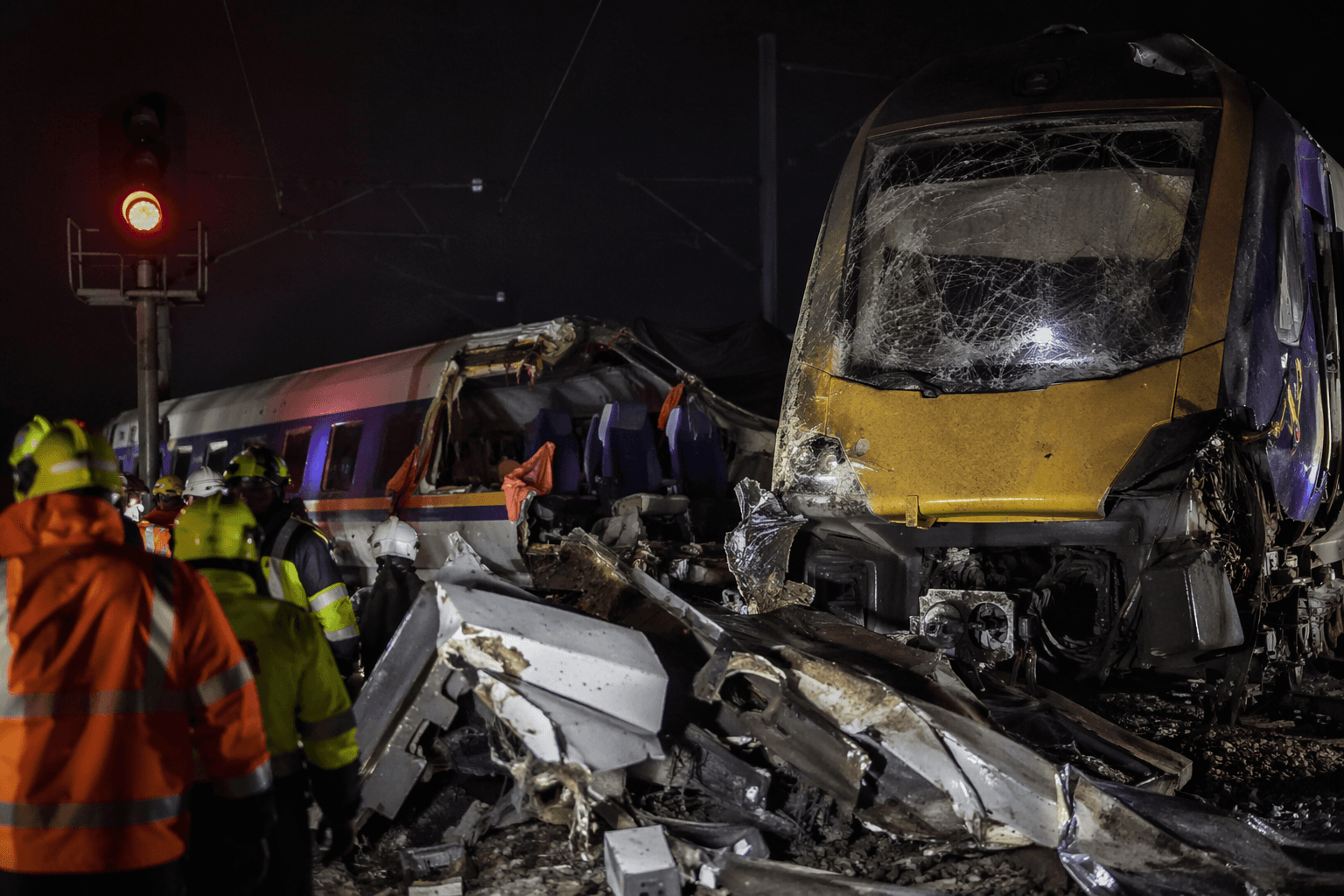
RAIB published a preliminary report into a fatal crash after a train passed a red signal. The Rail Accident Investigation Branch investigates rail accidents in Britain to improve railway safety and inform the industry and the public, not to decide blame or liability.
The central failure is a signal passed at danger, or SPAD. That happens when a train goes past a stop signal without authority. SPADs are one of the potential precursors to railway accidents, which is why they are treated as more than a rule breach: they are a warning that several lines of defense may have been strained at once.
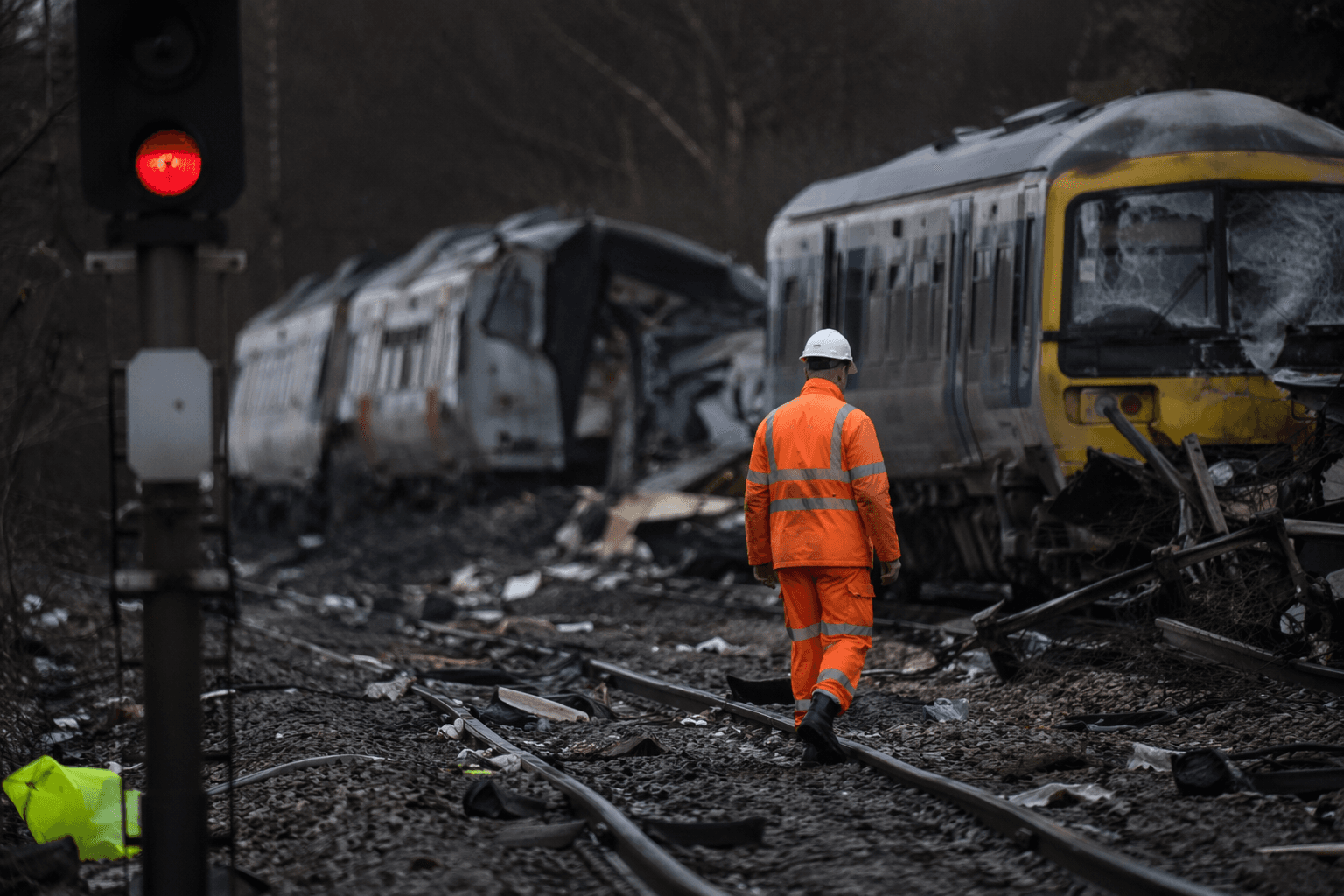
Those defenses stack up. The first layer is simple compliance, with the driver obeying the signal and stopping the train where required. The second is automatic protection, especially the train protection and warning system, which has greatly reduced the risk from serious SPAD incidents by intervening when a train is in danger of passing a signal. The third is operational procedure, from how routes are signaled and monitored to how incidents are reported and investigated when the chain breaks.
RAIB’s role is to examine how that chain failed, not to assign liability. Under the Railways (Accident Investigation and Reporting) Regulations 2005, fatal rail accidents and other serious incidents must be notified to the branch. Its full reports are intended to set out what happened, why it happened, and what lessons should be learned so similar events can be prevented.
In its 2024-25 rail safety reporting, the ORR said the number of SPADs continued to increase, even though the number of high-risk events remained relatively stable. RAIB also marked 20 years since becoming active on 17 October 2005 in its annual report published on 23 June 2026.
This article was produced by Prism’s automated news system from verified source data, official records, and press releases, then run through automated quality and moderation checks before publishing. The system is built and supervised by the people who set the standards it runs under. Read our full AI policy.
Know something we missed? Have a correction or additional information?
Submit a Tip