Rare chimpanzee civil war kills dozens in Uganda study
Uganda’s largest wild chimpanzee community split in two, then one side killed at least 28 former groupmates, exposing how quickly social ties can turn lethal.
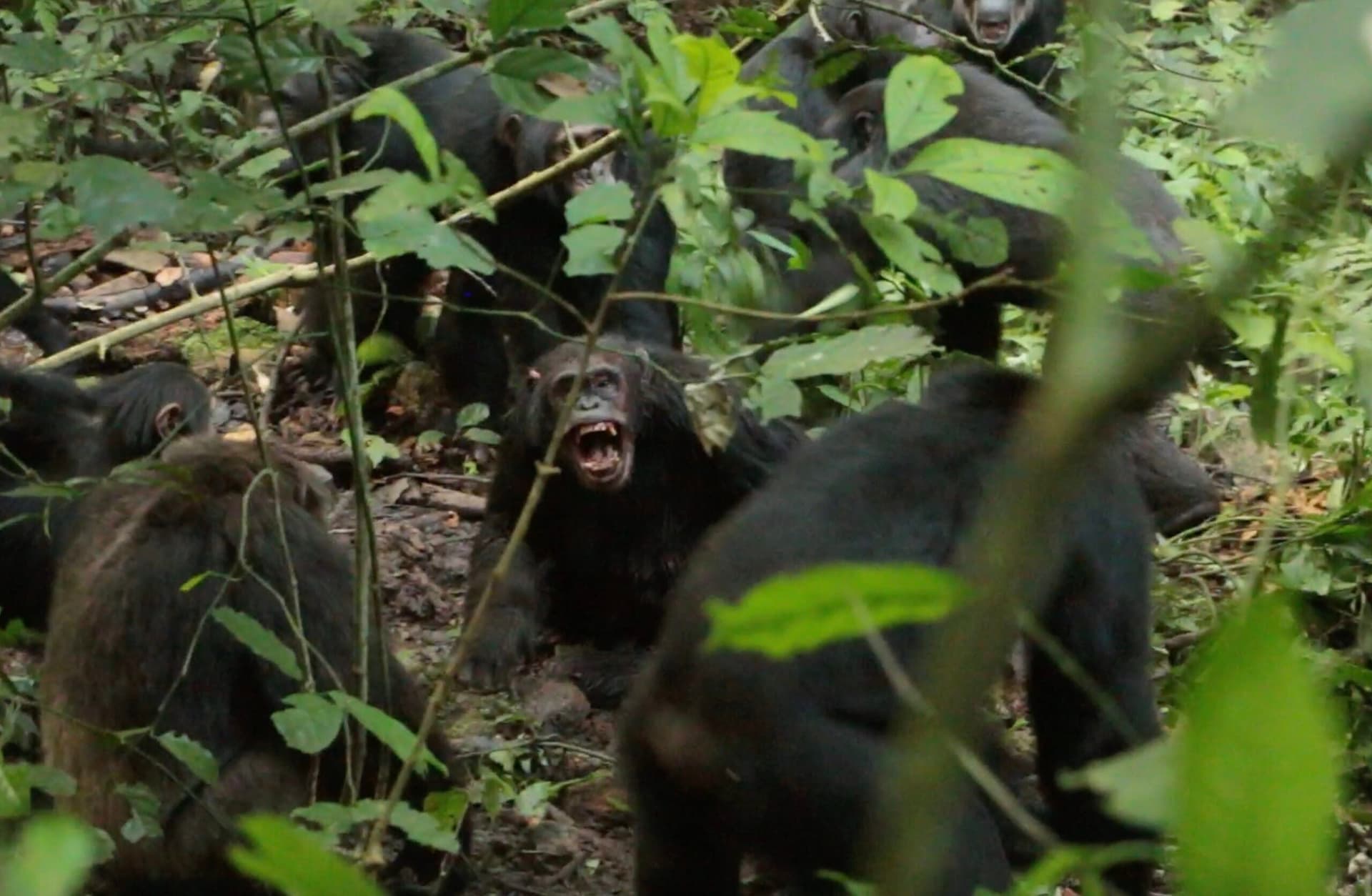
The largest wild chimpanzee community known to scientists broke apart in Uganda, and the aftermath turned deadly. After the Ngogo group in Kibale National Park split into rival Western and Central factions, researchers documented or physically confirmed attacks that killed at least 28 chimpanzees, including 19 infants.
Scientists have followed the Ngogo Chimpanzee Project continuously since 1995, and for years the community stood out not just for size but for cohesion. By September 2011 it had more than 160 members, and sources describe it as peaking at about 200, far above the typical chimpanzee community of 50 to 60. Its population density was reported at roughly three times that of the nearby Kanyawara site.
That stability began to fray in 2015, when researchers saw the Western and Central clusters increasingly avoid one another. The shift came alongside changes in the male dominance hierarchy and followed the deaths of several adult males who may have helped keep the wider community connected. By 2018, the split had hardened into two separate groups with distinct territories: a Western group of 83 chimps and a Central group of 107.
What followed was a sustained campaign of violence. Between 2018 and 2024, researchers directly observed or documented from physical evidence seven attacks on adult males and 17 on infants. Aaron Sandel of the University of Texas at Austin, the study’s lead author, said the central finding was that chimpanzees were killing former group members, with the new group identities overriding cooperative relationships that had held for years.
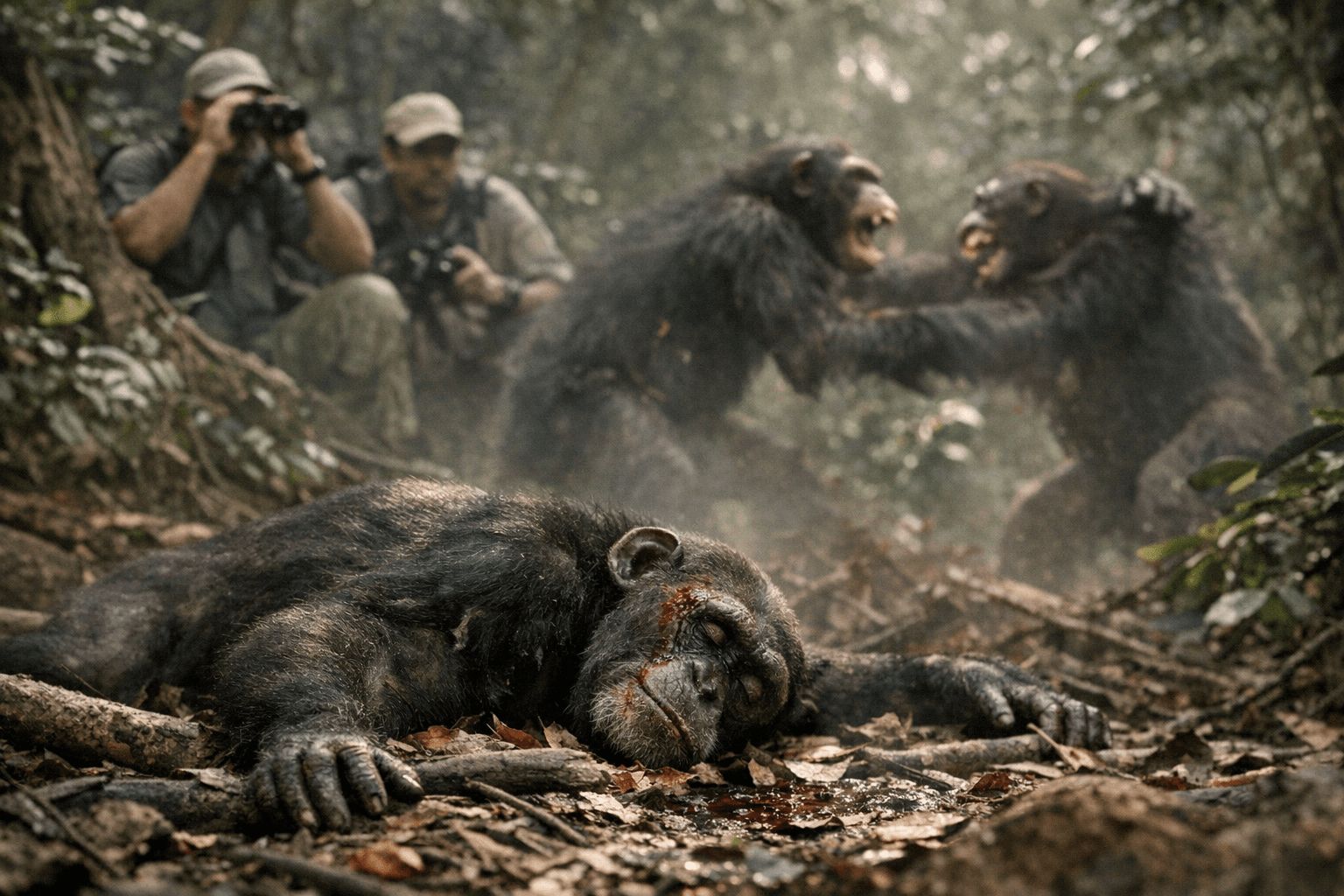
The study, published in Science on April 9, 2026, drew on three decades of field observations by researchers including John Mitani and David Watts, along with Ugandan field staff. The Ngogo chimpanzees were never provisioned with food, which researchers say makes the case more compelling than the only previously reported chimpanzee split, at Gombe in Tanzania during Jane Goodall’s research in the 1970s, a case still debated because those chimpanzees were fed.
Researchers say genetic evidence suggests permanent chimpanzee fissions may occur only about once every 500 years. The Ngogo population also reached a wider audience through the Netflix series Chimp Empire, but the new findings are rooted in long-term fieldwork rather than spectacle. In a Science commentary, James Brooks of the German Primate Center said the split is a reminder of the danger that group divisions can present to human societies.
The warning is not that chimpanzees replay human politics. It is that resource pressure, social fragmentation and leadership instability can push even tightly knit communities past a breaking point, and once that happens, loyalty can give way to organized violence.
This article was produced by Prism’s automated news system from verified source data, official records, and press releases, then run through automated quality and moderation checks before publishing. The system is built and supervised by the people who set the standards it runs under. Read our full AI policy.
Did this article answer your question?


