Rebel push in Jonglei displaces 180,000, government warns
South Sudan says rebel advances risk reigniting wider conflict and have displaced an estimated 180,000 people, the U.N. reports.
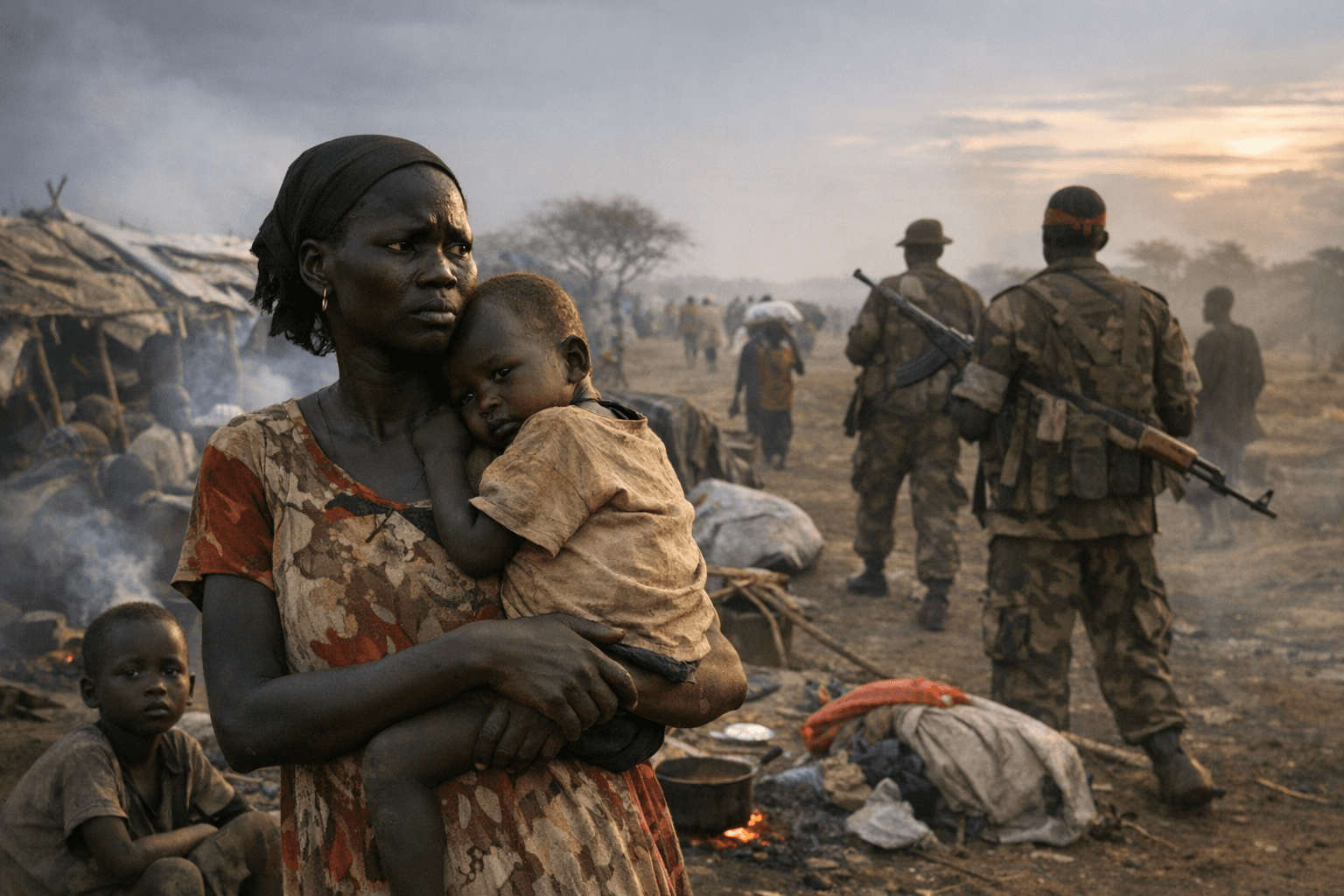
Rebel advances and heavy clashes in Jonglei state have displaced an estimated 180,000 people, the United Nations said, raising alarms about a return to large-scale violence in South Sudan. The government said on January 27 that it had repelled some rebel advances, but the scale of displacement and intensity of fighting mark a sharp deterioration in a region long marked by instability.
Jonglei, which sits in the eastern marshlands and contains important riverine routes, has been a recurring flashpoint for intercommunal fighting and armed confrontation. The recent clashes have forced tens of thousands from their homes, overwhelming fragile local coping mechanisms and risking secondary humanitarian emergencies such as food insecurity, disease outbreaks and shortages of shelter and clean water.
The government framed the clashes as a security threat that could undermine hard-won gains since the national peace processes of recent years. International and regional actors have invested significant political capital in stabilizing South Sudan after the civil war that followed independence, and a renewed surge of fighting would complicate those efforts and strain relations with neighbors that already host South Sudanese refugees.
Humanitarian access in Jonglei has frequently been constrained by insecurity and poor infrastructure. Large-scale displacement in remote areas will pose acute logistical challenges for aid agencies attempting to reach communities before conditions deteriorate further. Internally displaced people are often forced into makeshift settlements or to seek refuge with host families, which can trigger competition for scarce resources and heighten local tensions.
The displacement figures reported by the U.N. underscore the broader international law and protection questions at stake. South Sudanese authorities have obligations under humanitarian law to protect civilians and to facilitate impartial assistance. The scale of population movement will likely prompt fresh appeals for international support, and could increase scrutiny of the ability and willingness of all parties to shield civilians from harm.
Regionally, renewed instability in Jonglei could have ripple effects. Cross-border flows of refugees and fighters have at times drawn in neighboring states and complicated diplomatic efforts to broker peace. Political actors in Juba will face pressure to contain the fighting while demonstrating a commitment to the national reconciliation framework and to the security arrangements that underpin it.
For communities in Jonglei, the immediate priorities are protection and relief. If the pattern of recent clashes persists, the humanitarian response will need to expand rapidly, including provision of food, health services and safe shelter. Donors and international organizations will be watching access constraints and the security situation closely as they determine how to scale assistance.
The developments on January 27 mark a pivotal moment for South Sudan’s fragile recovery. Containing the violence and ensuring unhindered humanitarian access will be essential to preventing a localized crisis from becoming a broader relapse into conflict with regional repercussions.
This article was produced by Prism’s automated news system from verified source data, official records, and press releases, then run through automated quality and moderation checks before publishing. The system is built and supervised by the people who set the standards it runs under. Read our full AI policy.
Did this article answer your question?