Reclamation Releases Post-2026 DEIS Analyzing Five Alternatives; Comments Open
Reclamation released a Post‑2026 DEIS analyzing five operating alternatives for Lake Powell and Lake Mead; public comment is open through March 2, 2026.
The Bureau of Reclamation has published a Draft Environmental Impact Statement (DEIS) laying out five high-level operational alternatives for Lake Powell and Lake Mead after the current Colorado River operating rules expire at the end of 2026. Formal publication in the Federal Register on January 16, 2026 began a 45-day public comment period running January 16 through March 2, 2026, and Reclamation scheduled two virtual public meetings on January 29 and February 10, Mountain Time.
The DEIS presents five scenarios labeled No Action; Basic Coordination; Enhanced Coordination; Maximum Operational Flexibility; and Supply Driven. It does not select a preferred alternative. Instead, the draft analyzes trade-offs among scenarios that vary how shortages and operational flexibility would be allocated among Upper Basin and Lower Basin demands, tribal water allocations, hydropower generation, and environmental flows. The analysis is intended to provide legally compliant operating options to guide reservoir and water management decisions during prolonged drought and declining reservoir levels.
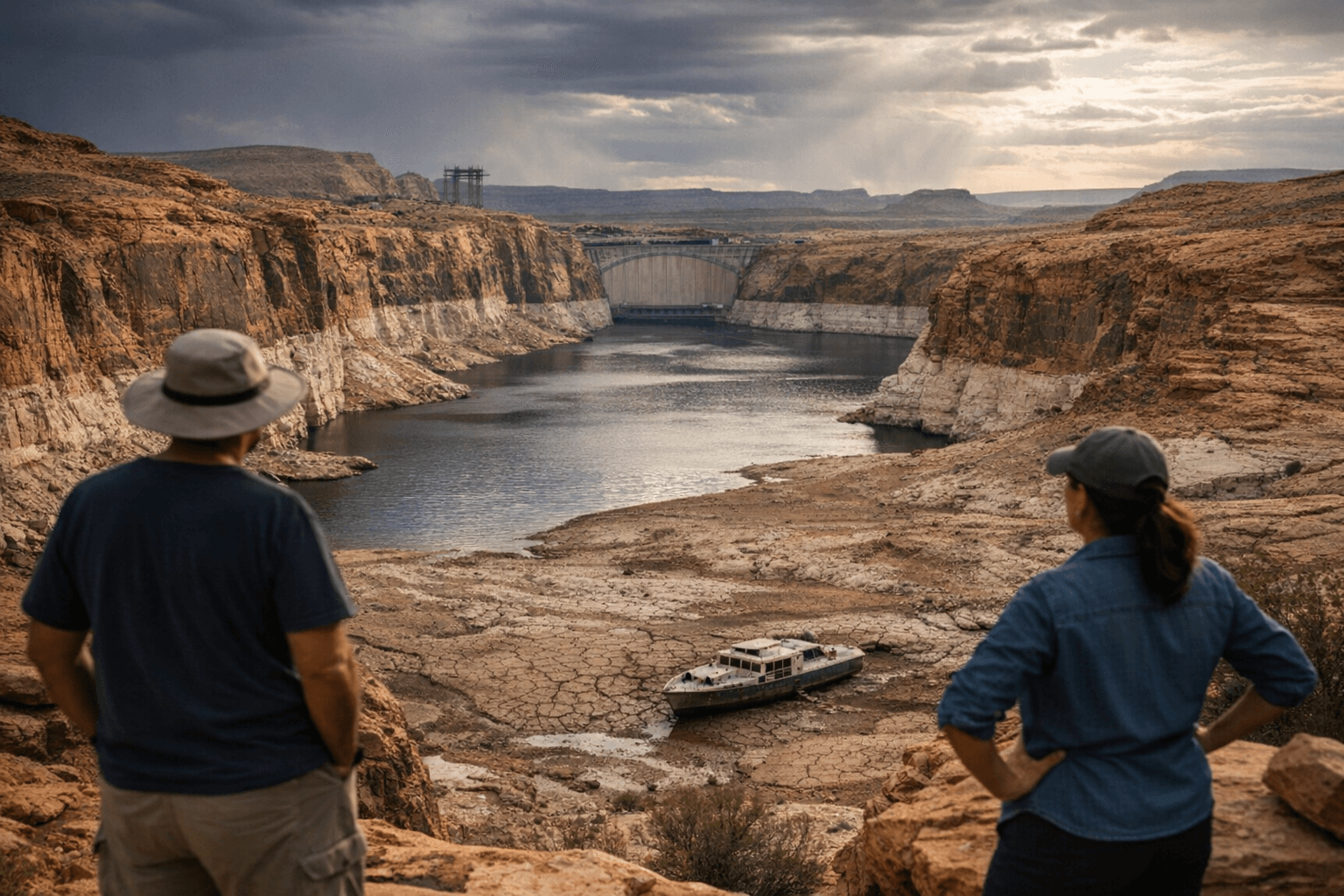
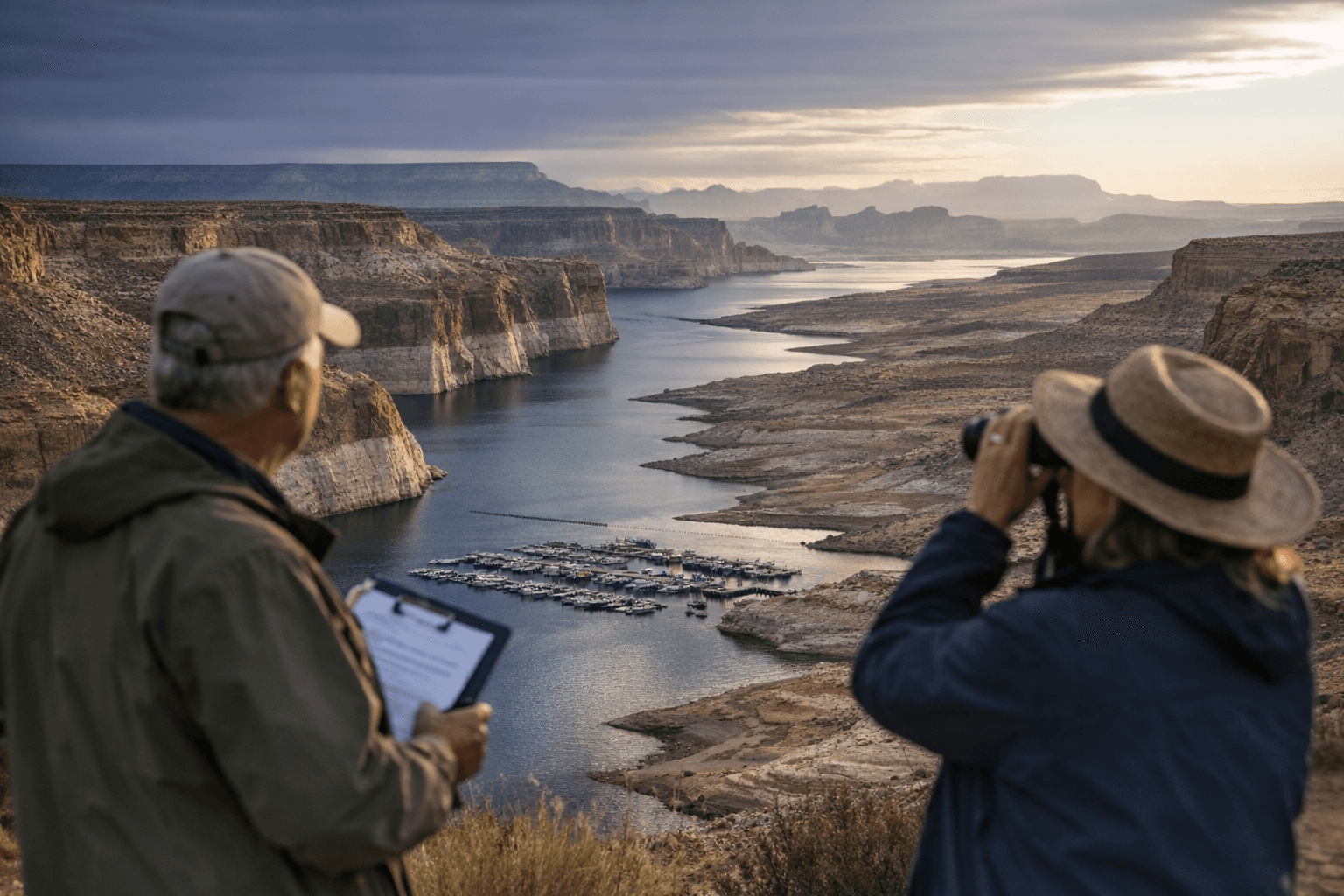
For river users and waterside communities in the Four Corners, the choices in this DEIS matter in concrete ways. Different alternatives could alter drawdown rates, change timing and volume of releases that affect tailwater flows, and impact hydropower production that helps run local infrastructure. Boat ramp access, marina operations, and shoreline camping adapt to shifting pool elevations; anglers and river runners will want to pay attention to projected flows and seasonal scheduling tied to shortage rules. Tribal allocations and municipal water deliveries are central to the trade-offs evaluated, and those outcomes will shape recreation windows and local water supply planning for years beyond 2026.
Reclamation’s online materials include the full DEIS download, fact sheets, webinar and web tool materials, the Federal Register notice, and instructions for submitting comments by email, phone, or mail. The two scheduled virtual meetings provide opportunities to hear presentations and ask questions; written submissions during the comment period allow the public to document local concerns about boat access, habitat flows, hydropower impacts, or municipal supply reliability.
What comes next is review and response: Reclamation will collect comments through March 2, then incorporate public input into a final environmental impact statement and any subsequent rulemaking or operational guidance. For anyone who rigs boats, runs rivers, manages marinas, or watches reservoir levels like a second weather forecast, this is the moment to weigh in and make local priorities part of the record.
Know something we missed? Have a correction or additional information?
Submit a Tip