Record Student Loan Defaults Drive Some Borrowers to Flee the Country
Wage garnishment stops at the border. For some borrowers facing record defaults and exhausted relief options, expatriation has become a financial strategy.
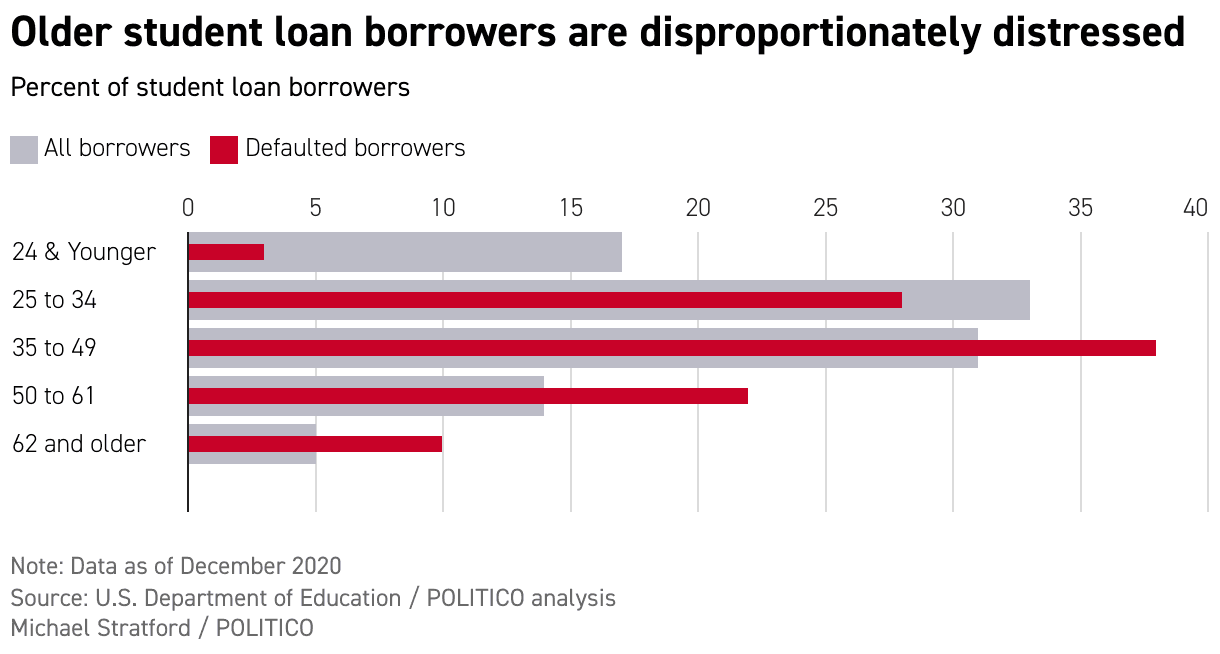
Millions of Americans carrying federal student loan debt are now in default or delinquency as the government resumes aggressive collection after years of pandemic-era forbearance. For a small but telling fraction, the response to that pressure is to leave the United States entirely.
The math driving borrowers toward expatriation is stark. Federal loan payments resumed in fall 2023 after a three-year pause, and servicer failures complicated re-enrollment for countless borrowers struggling to navigate the transition. A key income-driven repayment option, the SAVE plan, was blocked by federal courts, eliminating a pathway millions had counted on to tie payments to their earnings. The Education Department, operating under the Trump administration's direction, then began resuming collection activities including wage garnishment and seizure of federal tax refunds in 2025, intensifying pressure on borrowers who had spent years in limbo.
Those enforcement tools stop at the border, and that is precisely the calculation some borrowers are making. The federal government cannot garnish wages paid by a foreign employer. For borrowers who secure work abroad, that single fact transforms a crushing monthly obligation into something closer to a theoretical liability, at least in the short term.
The relief, however, is incomplete and the consequences durable. U.S. citizens are required to file federal income taxes regardless of where they live, which means tax refunds remain vulnerable to offset. Social Security benefits can also be garnished for defaulted federal loans, an exposure that follows borrowers into retirement no matter where they settle. The credit damage from default is reported to U.S. credit bureaus and persists for years, complicating any future return to domestic financial life. Private student loans operate under a separate legal framework; private lenders can hire international collection agencies and may pursue legal judgments in some countries depending on bilateral agreements, leaving borrowers without even the limited shelter federal loan structures provide.

The pattern reflects a deeper failure of the repayment infrastructure itself. Servicer errors during payment resumption left borrowers with incorrect billing statements, delayed processing, and blocked access to income-driven repayment applications. Congress has not passed comprehensive debt relief legislation, and executive relief programs have faced repeated legal defeats.
Leaving solves almost nothing permanently, but it delays several enforcement mechanisms indefinitely. For borrowers with no U.S.-based wages to garnish, the government's collection toolkit effectively becomes a credit scar rather than an active financial threat. For a generation told that a college degree was an investment with a predictable return, the decision to live abroad as a form of debt management is less a quirky trend than a measure of how completely the system designed to collect from them has failed to help them.
This article was produced by Prism’s automated news system from verified source data, official records, and press releases, then run through automated quality and moderation checks before publishing. The system is built and supervised by the people who set the standards it runs under. Read our full AI policy.
Did this article answer your question?

