Record Thanksgiving Travel Looms as Holiday Season Kicks Off
Americans set off in large numbers for the Thanksgiving holiday, as AAA projected a record 81.8 million people would travel at least 50 miles over the holiday period. The surge reinforces pressure on airports, roads, and transit systems, with implications for consumer spending, fuel demand, and transportation policy.
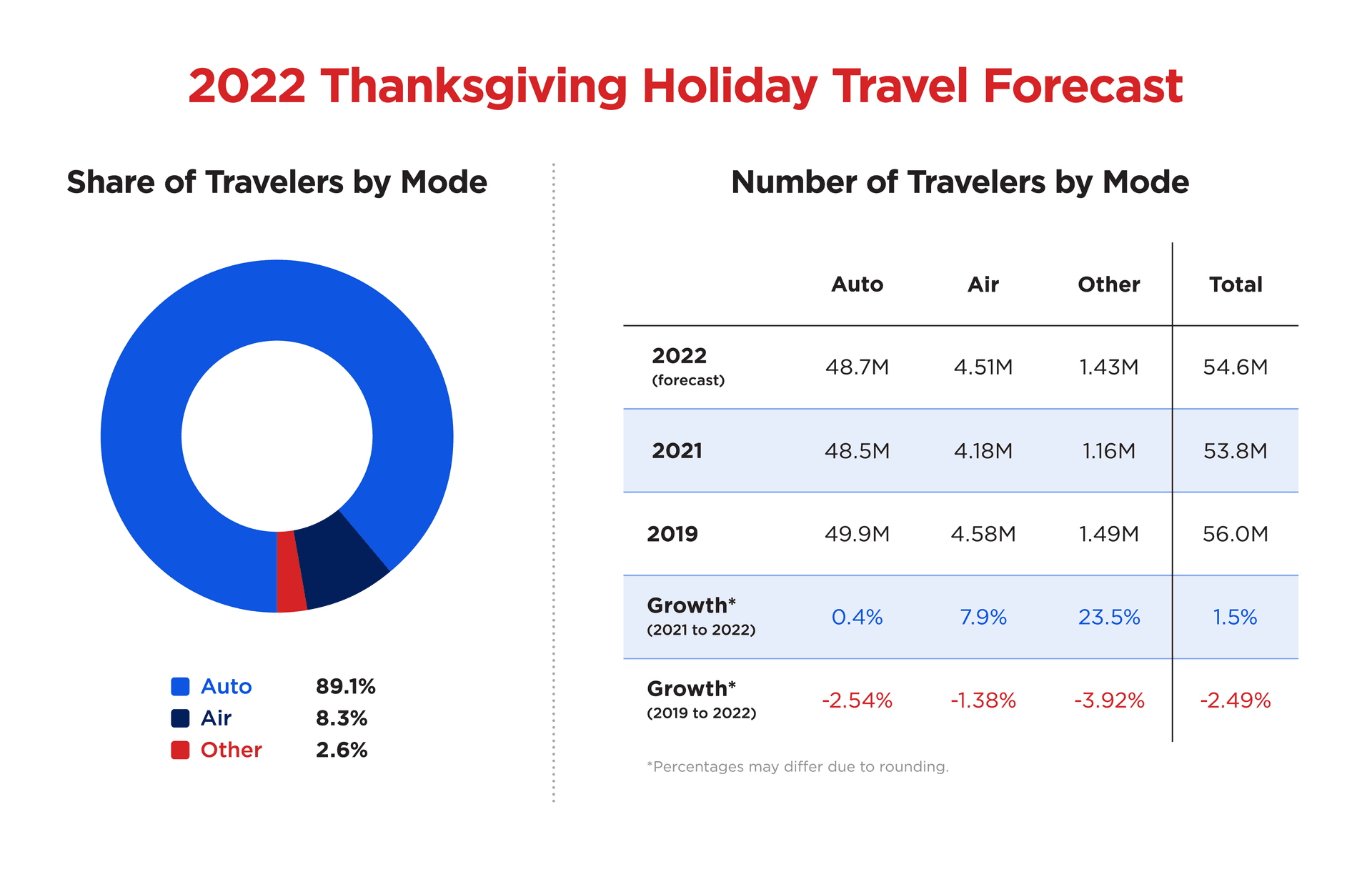
AAA projected on November 30 that a record 81.8 million Americans would travel at least 50 miles over the Thanksgiving period, marking one of the busiest holiday travel seasons since before the pandemic. The forecast underscored strong consumer appetite for trips and family reunions, and set expectations for crowded airports, congested highways, and stretched public transit in many metropolitan areas.
The motoring public accounted for the bulk of projected travelers according to AAA, with road trips expected to dominate the holiday pattern. Air travel was also expected to be elevated compared with last year, contributing to heavier passenger flows through major hub airports. Transportation agencies and airport operators had warned that concentrated peaks around the holiday would create queues at security checkpoints and pressure on ground handling and baggage systems.
AAA’s projection reflected a broader rebound in travel demand, which has been supported by steady household spending and labor market resilience. For airlines and airport concessionaires the volume spike typically translates into higher revenue in the short term, while rental car companies and fuel retailers often see sharp demand increases that can push prices higher during peak windows. At the same time, capacity constraints and staffing shortages in some parts of the travel ecosystem can produce delays and disruptions that blunt these gains.
The surge has implications for infrastructure and policy. Federal and state transportation officials routinely prepare surge plans for major holidays, allocating additional staff to airports and deploying traffic management strategies on highways. The heavy passenger flows this Thanksgiving are likely to revive conversations about longer term investments in airport terminals, air traffic control staffing, and road capacity improvements that regulators and lawmakers have debated in recent years. Emergency response and snow removal capabilities were also on alert in regions facing winter weather, a factor that can amplify delays and cancellations.

Travelers were advised to expect crowded conditions and to build extra time into itineraries. Practical precautions included confirming reservations, checking flight status before leaving for the airport, arriving earlier than usual, and preparing for slower security lines at peak times. For drivers, officials recommended monitoring traffic reports and allowing extra travel time on key corridors leading to major metropolitan areas.
Economically, the record projection highlights the resilience of consumer services after a period of higher inflation and interest rates. Increased mobility typically boosts spending on lodging, dining, and retail in destination markets and raises demand for fuels and transport services. Policymakers and industry leaders will watch post holiday data on actual passenger counts, flight completion rates, and congestion metrics to assess whether the forecasted volumes translated into the expected economic lift and whether additional operational or policy responses will be required for future peak travel periods.
This article was produced by Prism’s automated news system from verified source data, official records, and press releases, then run through automated quality and moderation checks before publishing. The system is built and supervised by the people who set the standards it runs under. Read our full AI policy.
Did this article answer your question?

