Reeves Promises Energy Bill Relief for Most Vulnerable Households
Reeves told MPs the top 10% richest households pocketed an average £1,350 each under the Tories' £40bn energy package — this time, she says, only those who need it most will get help.
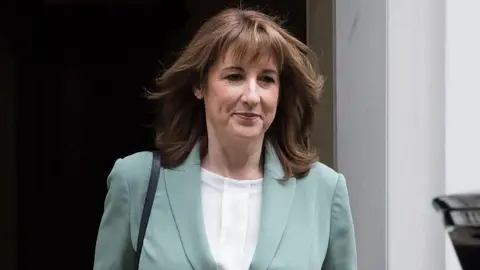
Chancellor Rachel Reeves stood before the House of Commons and drew a sharp line between her government's approach and the Tory-era energy bailout that cost around £40bn, signalling that any Labour support scheme would be reserved for the poorest households. The backdrop: strikes launched by Israel and the US on Iran have effectively turned the Strait of Hormuz into a no-go zone, shutting off roughly 20% of the world's oil and gas from the global supply chain.
Reeves told MPs: "Contingency planning is taking place for every eventuality so that we can keep costs down for everyone and provide support for those who need it most, acting within our ironclad fiscal rules." She framed the conflict in stark personal terms, saying in her Commons statement: "This is not a war that we started, nor is it a war that we joined… but it is a war that will have an impact on our country. The challenges may be significant but I promise to do what is right and fair, being responsive in a changing world and responsible in the national interest."
The distributional argument at the heart of Reeves' case rested on a specific Treasury calculation. She highlighted that blanket subsidies under the previous government gave households in the top income decile an average of £1,350 of support on energy bills. BBC economics editor Faisal Islam described the Commons statement as "the clearest steer yet" that any significant package of help would not apply to the richest households. Reeves told MPs: "The previous government pushed up borrowing, interest rates, inflation and mortgage costs with an unfunded, untargeted package of support under Liz Truss."
Reeves argued: "The progressive, universal approach that we're taking is the right one: £150 off everyone's energy bills, but then targeted support for those who need it most." Labour MP Meg Hillier asked the Chancellor what she was doing to ensure the data was available to help target support to those who need it most, and Reeves replied that the government was working with the Department for Work and Pensions to ensure support reached the right households.
Reeves confirmed plans for a new "anti-profiteering framework," giving the Competition and Markets Authority time-limited powers to identify and clamp down on unjustified price hikes at the pump and in supermarkets. She also set out steps to strengthen the UK's long-term energy security, including pushing ahead with nuclear projects. Legislation to allow new nuclear stations to be built is expected to be set out in the King's Speech in May.

On food costs, the Treasury confirmed it would explore targeted cuts to agri-food tariffs "focusing on the areas where consumers would benefit most," while Reeves also cited her government's renegotiation of sanitary and phytosanitary arrangements with the EU on agricultural imports as a route to lower food prices. She listed measures already in place: raising the national living wage and state pension, and freezing prescription charges, train fares and fuel duty.
The Conservative response was unsparing. Kemi Badenoch called Labour "the Welfare Party" and said the approach was "not a plan, it's just yet more benefits," arguing instead for tax cuts including scrapping green levies. Shadow energy secretary Claire Coutinho said the Conservatives had a plan to cut electricity bills by 20% by removing green levies and other charges, and defended universal support for households earning between £30,000 and £40,000 a year. Markets were unsettled: interest rates on 10-year gilts rose sharply after the Treasury's stance became clear.
TUC general secretary Paul Nowak welcomed Reeves' approach, saying she was right to be making contingency plans now. The current energy price cap runs to the end of June, and the new cap will be set at the end of May, giving the Treasury a defined window to develop a targeted scheme for deployment if high prices are sustained. Analysts at Cornwall Insight have forecast that household energy bills could rise by 10% from July, pushing the Ofgem price cap for the July-to-September quarter to £1,801 a year for a typical dual-fuel household. How Reeves chooses to protect the most vulnerable from that potential surge will define the domestic political contest over the summer.
Know something we missed? Have a correction or additional information?
Submit a Tip