Reeves unveils summer savings, but no new energy bill help
Reeves unveiled free August bus travel and food tariff cuts, but left households waiting for any new help with energy bills.
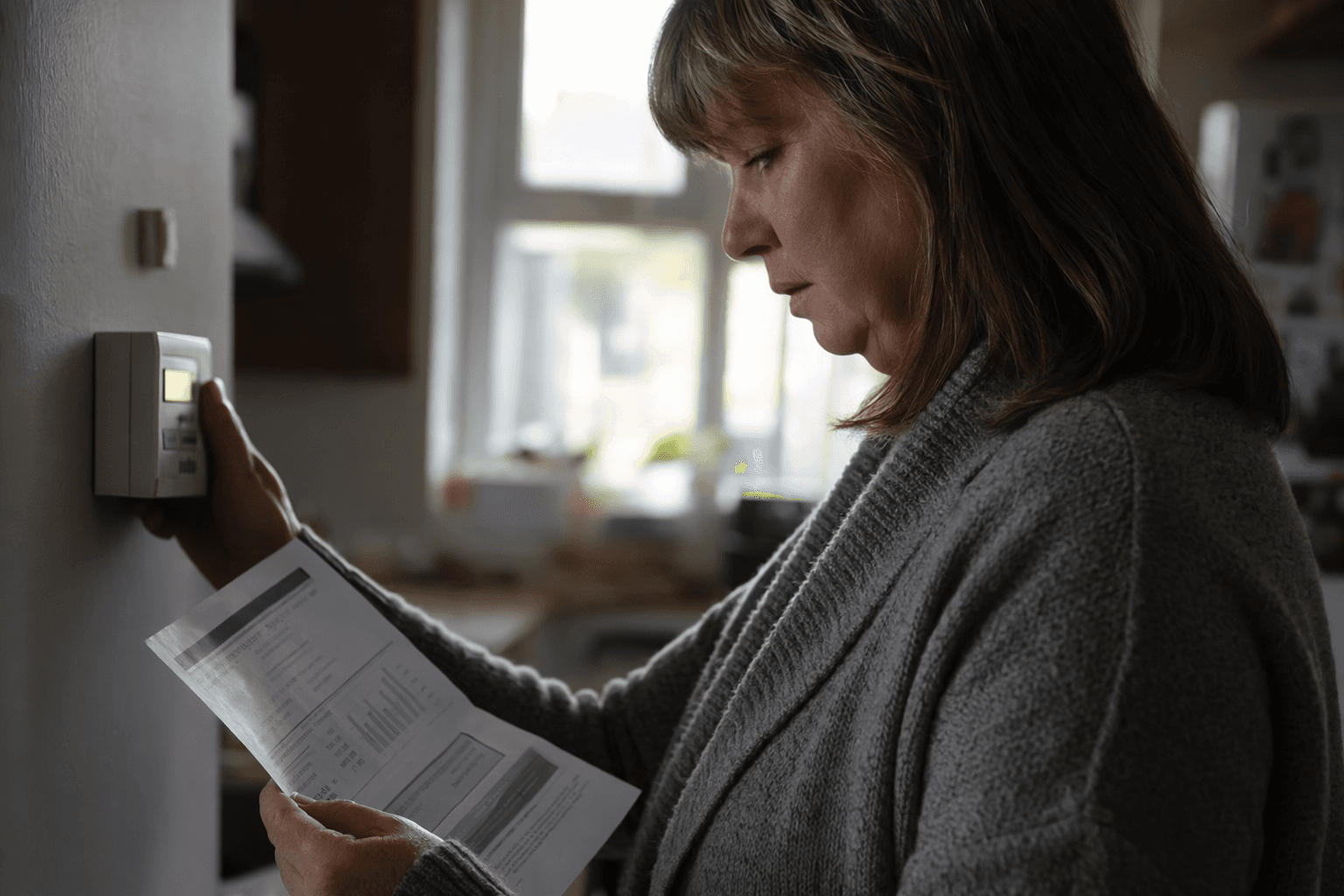
Rachel Reeves unveiled a summer package aimed at cost-of-living relief, but the most direct household pressure point remained untouched: there was no new help for energy bills. The government branded the measures the Great British Summer Savings, with free bus travel in August for children aged five to 15 in England on participating local buses, unlimited journeys, no registration required, and a Treasury bill of more than £100 million.
The package also included targeted cuts to agri-food tariffs on items including biscuits, chocolate, dried fruit and nuts. Treasury officials said the moves were meant to put money back into people’s pockets and ease pressure on household budgets, while Reeves was also expected to scrap the planned fuel duty rise and set out further summer cost-of-living steps, including measures affecting jet fuel for holiday travel.
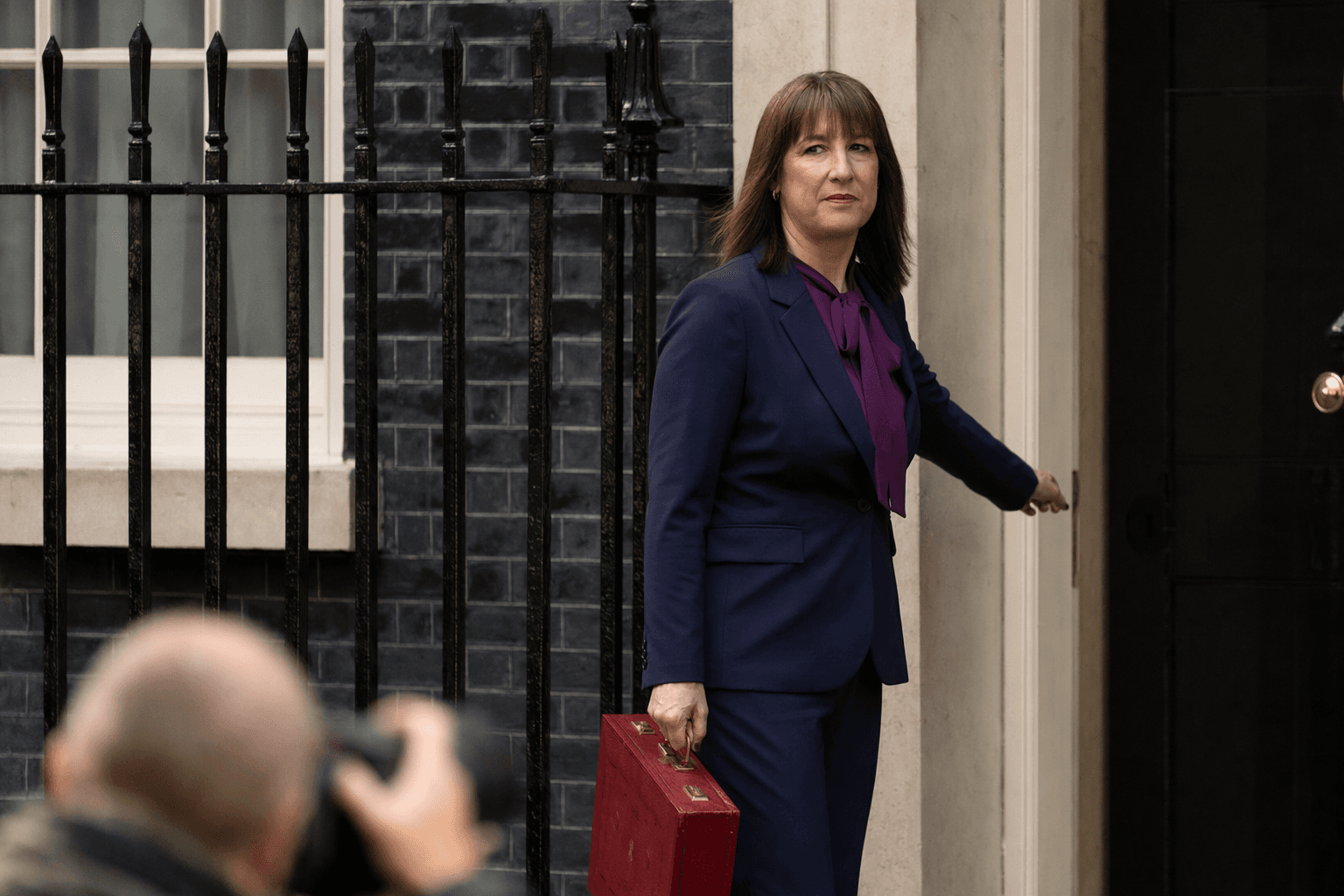
Ministers argued the new package built on earlier support that they said had already cut energy bills by an average of £117 this month after Autumn Budget changes. They pointed to other measures already in place, including frozen rail fares, frozen prescription charges and another increase in the minimum wage, as evidence that the government was acting across several bills at once rather than on energy alone.
But the absence of a fresh energy intervention was the central political choice. Reeves ruled out a universal energy bill support scheme, reflecting concern about committing the government to unfunded spending. That leaves the household bill most closely watched by campaigners and millions of families outside the day’s headline relief.
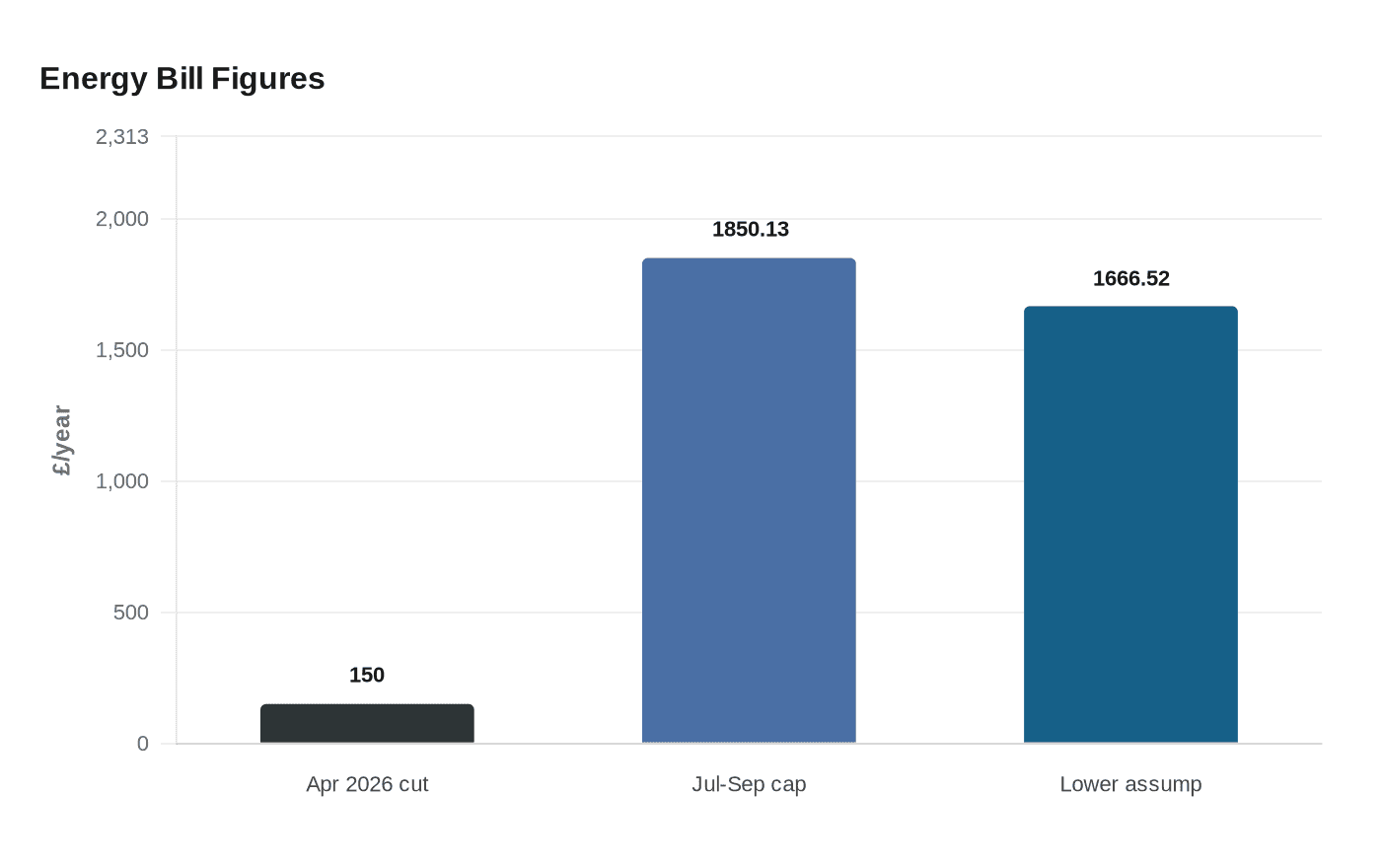
The timing mattered because Ofgem reviews and updates the energy price cap every three months, and the current cap period runs from 1 April to 30 June 2026. Cornwall Insight forecast on 19 May that the July to September cap could rise to £1,850.13 a year under current typical domestic consumption assumptions, or £1,666.52 a year under Ofgem’s proposed lower consumption assumptions.
The Autumn Budget had promised an average £150-a-year cut to household energy bills from April 2026, delivered by shifting some costs off bills. But with Martin Lewis and households on both fixed and variable tariffs watching closely, the government is now trying to show it can ease living costs in visible ways without reopening a broad energy-bill giveaway.
Know something we missed? Have a correction or additional information?
Submit a Tip