Regional Backlash Grows After U.S. Military Operation in Venezuela
A U.S. military operation inside Venezuela on January 3 that U.S. officials called a targeted law-enforcement action left dozens dead and has provoked intense regional and global condemnation, raising the prospect of diplomatic rupture and broader strategic competition. The fallout risks political instability, migration pressures and economic uncertainty across Latin America, as governments weigh legal, security and market implications.

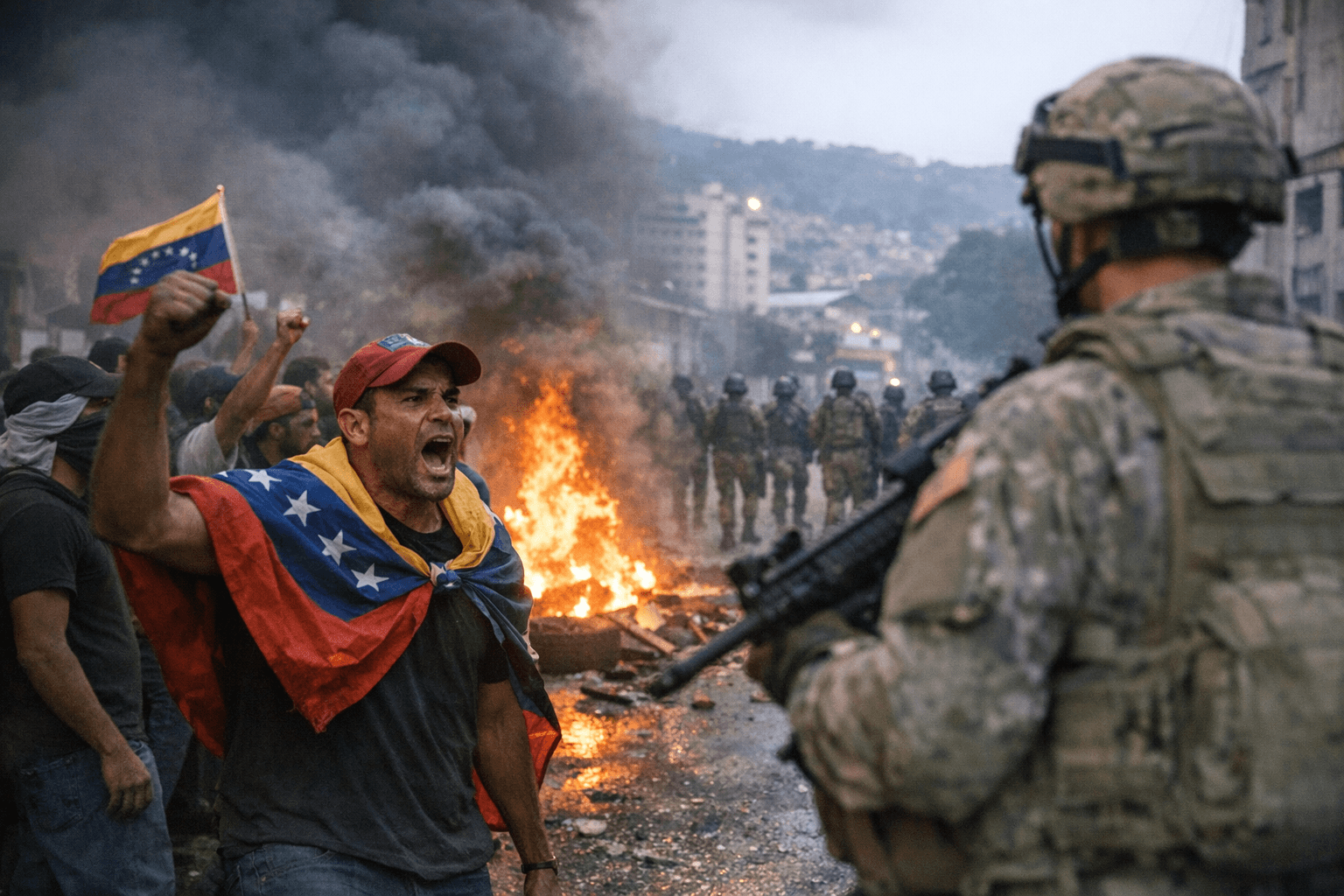
U.S. forces carried out an operation inside Venezuela on January 3 aimed, U.S. officials said, at detaining two alleged "narcoterrorists." Venezuelan authorities reported the raid left dozens dead and sparked widespread unrest across the country, with the capital remaining tense and many residents staying indoors following the incident. The incident prompted an emergency U.N. Security Council meeting on January 5 at Colombia's request and a broad international reaction cataloged in regional diplomatic briefings on January 6.
Venezuelan officials immediately framed the action as an illegal assault. Prosecutor General Tarek William Saab demanded the immediate release of President Nicolás Maduro and his wife, calling the operation "an illegal act of armed aggression of a terrorist nature." Venezuela's U.N. ambassador, Samuel Moncada, denounced the operation at the Security Council as an "illegitimate armed attack" and described it as the "kidnapping" of Maduro. On the ground in Caracas, reporting from the capital described neighborhoods largely empty and heightened security deployments at major points of the city.
At the Security Council session, U.S. Representative Mike Waltz defended the action, saying "there is no war against Venezuela or its people" and calling the raid a "surgical law enforcement operation" aimed at arresting two alleged narcoterrorists. The U.N. Secretary-General said he was "deeply alarmed" by the escalation and stressed the need for full respect of international law and the U.N. Charter. China issued a sharp condemnation, saying, "China firmly opposes it. We call on the U.S. to abide by international law and the purposes and principles of the U.N. Charter, and stop violating other countries' sovereignty and security."
Regional capitals moved quickly to register their positions. Mexico delivered a forceful diplomatic rebuke rooted in the U.N. Charter, with President Claudia Sheinbaum declaring, "The history of Latin America is clear and conclusive: intervention has never brought democracy," and urging collaboration without subordination. Chile's president warned of the dangerous precedent and the risk that similar interventions could occur elsewhere. Other regional stances have been more varied: some governments criticized Caracas's governance while remaining wary of overt external intervention; others interpreted the raid through the lens of geopolitical rivalry and regional security.
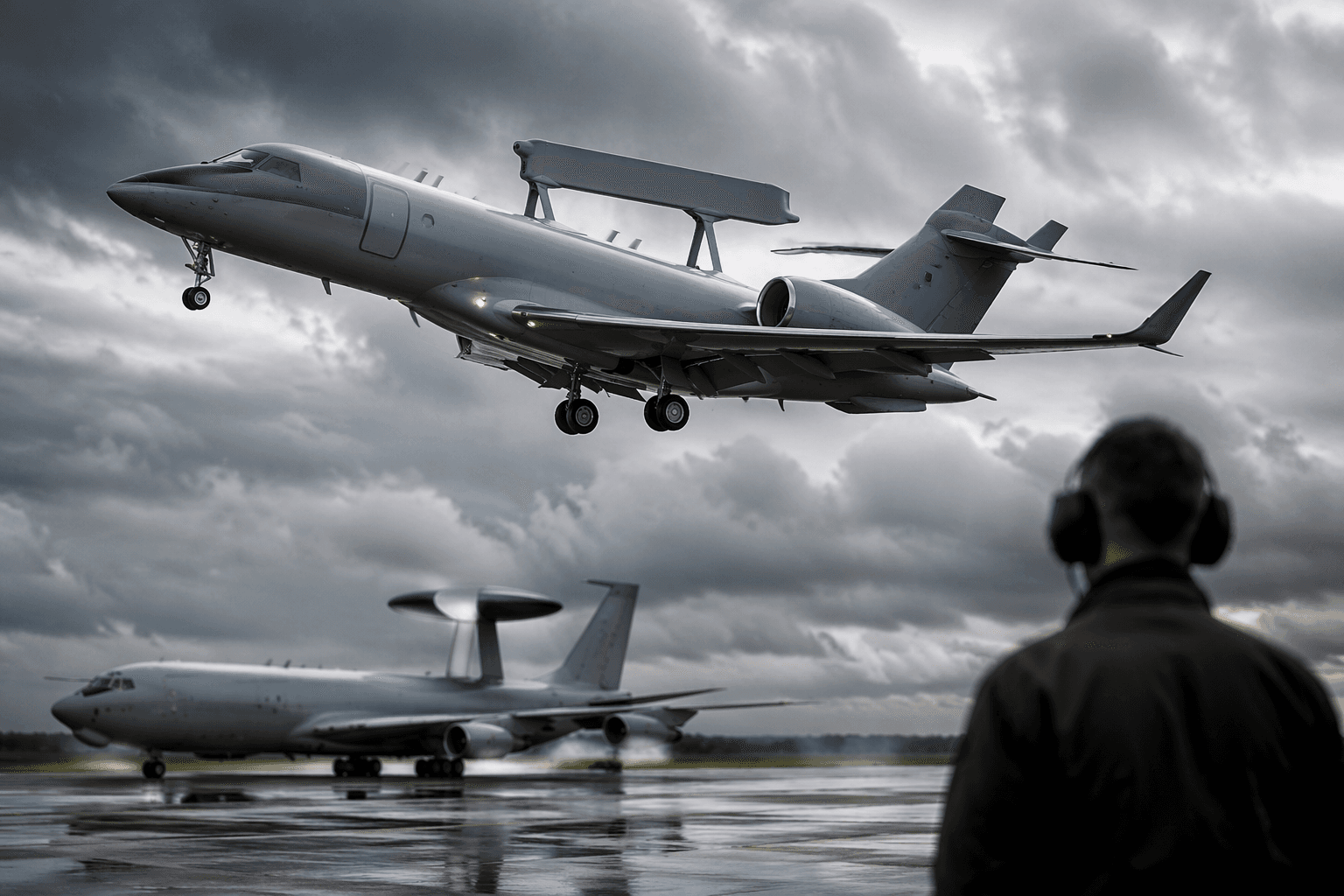
The operation has immediate security implications and broader strategic consequences. U.S. public rhetoric intensified after the raid, with administration officials amplifying threats toward neighboring states and publicly suggesting that more robust measures had not been ruled out. Analysts warn that critical actors such as Russia and China could convert diplomatic condemnations into a wider contest of influence, applying pressure or obstruction in other international arenas and increasing the risk of covert competition in Latin America.
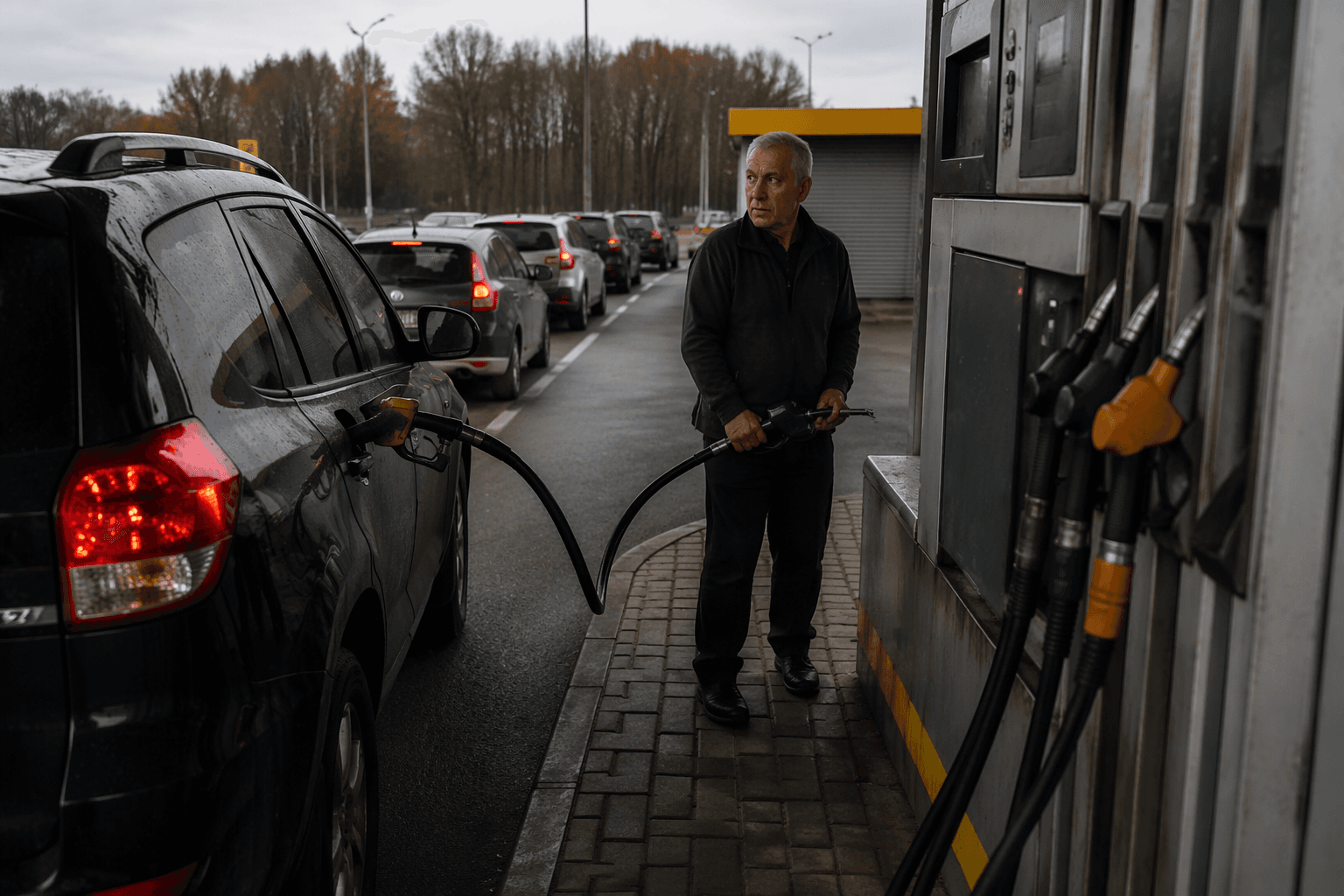
Economic and market risks are already rising. Political instability in an oil-producing country with an economy still recovering from years of crisis increases the likelihood of supply anxieties, investor risk aversion toward regional assets and further pressure on migration and remittance flows. For governments and markets across the hemisphere, the central questions now are legal precedent, the durability of multilateral norms, and whether diplomatic channels can prevent a local security operation from spiraling into sustained regional confrontation.
This article was produced by Prism’s automated news system from verified source data, official records, and press releases, then run through automated quality and moderation checks before publishing. The system is built and supervised by the people who set the standards it runs under. Read our full AI policy.
Did this article answer your question?