Republicans Warn Trump’s Germany Troop Cut Could Weaken Deterrence
Berlin signaled calm, but Washington’s plan to pull 5,000 troops from Germany jolted NATO and drew Republican warnings about deterrence.
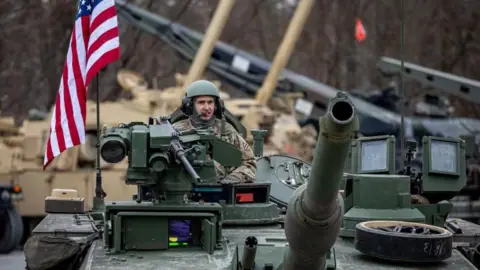
The planned removal of 5,000 U.S. troops from Germany has put Berlin, NATO and Republicans in Congress on alert over what the cut could mean for deterrence in Europe. German Defence Minister Boris Pistorius called the move “foreseeable” and urged Europeans to strengthen their own defences, while NATO said it was working with Washington to understand the details.
The Pentagon said the drawdown would unfold over the next six to 12 months. Even after the cut, Germany would still host about 33,000 U.S. troops, leaving it by far the largest American military presence in Europe. The current force, which numbers more than 36,000 active-duty personnel, is spread across major bases that serve as logistics and training hubs for U.S. operations in Europe and beyond.
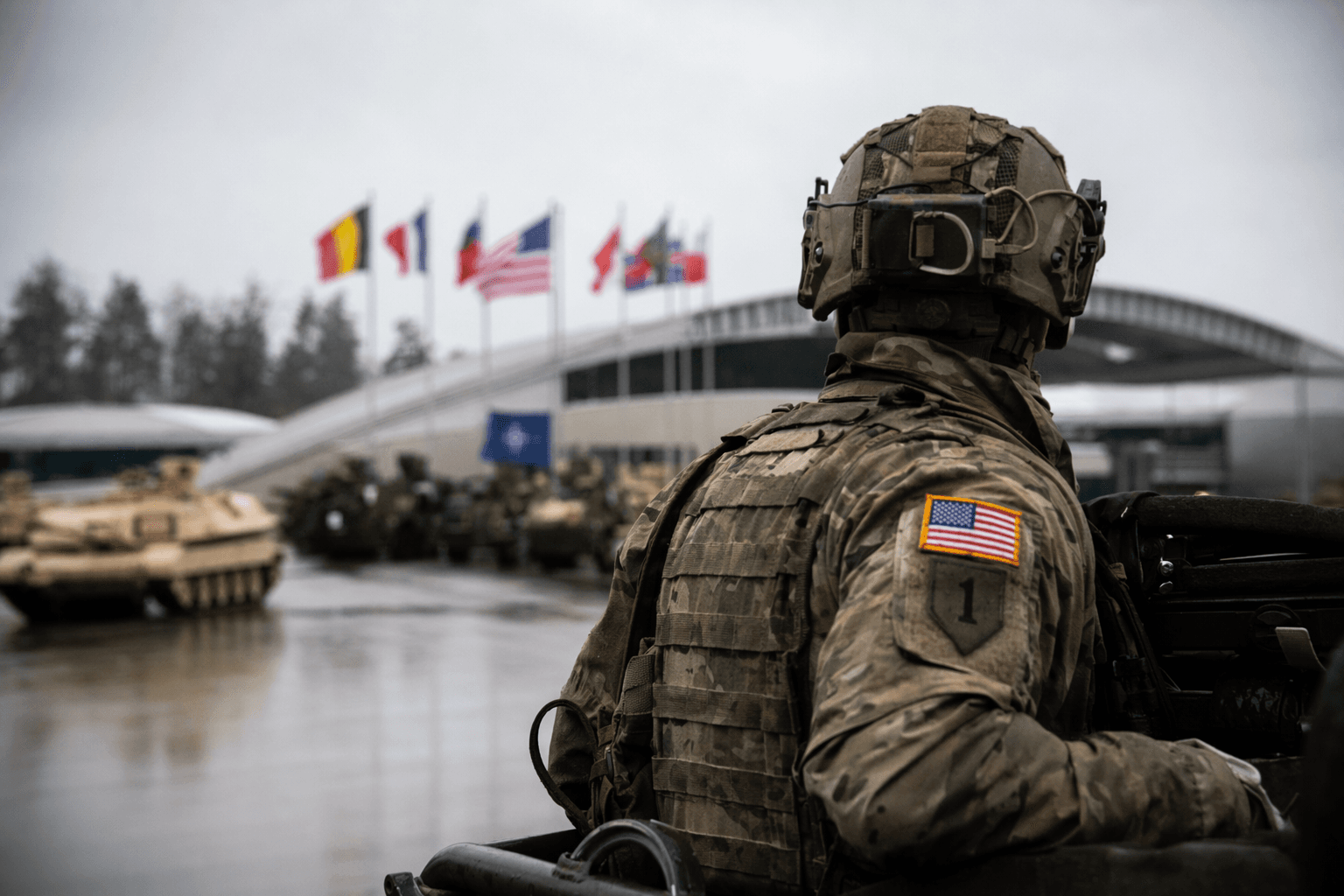
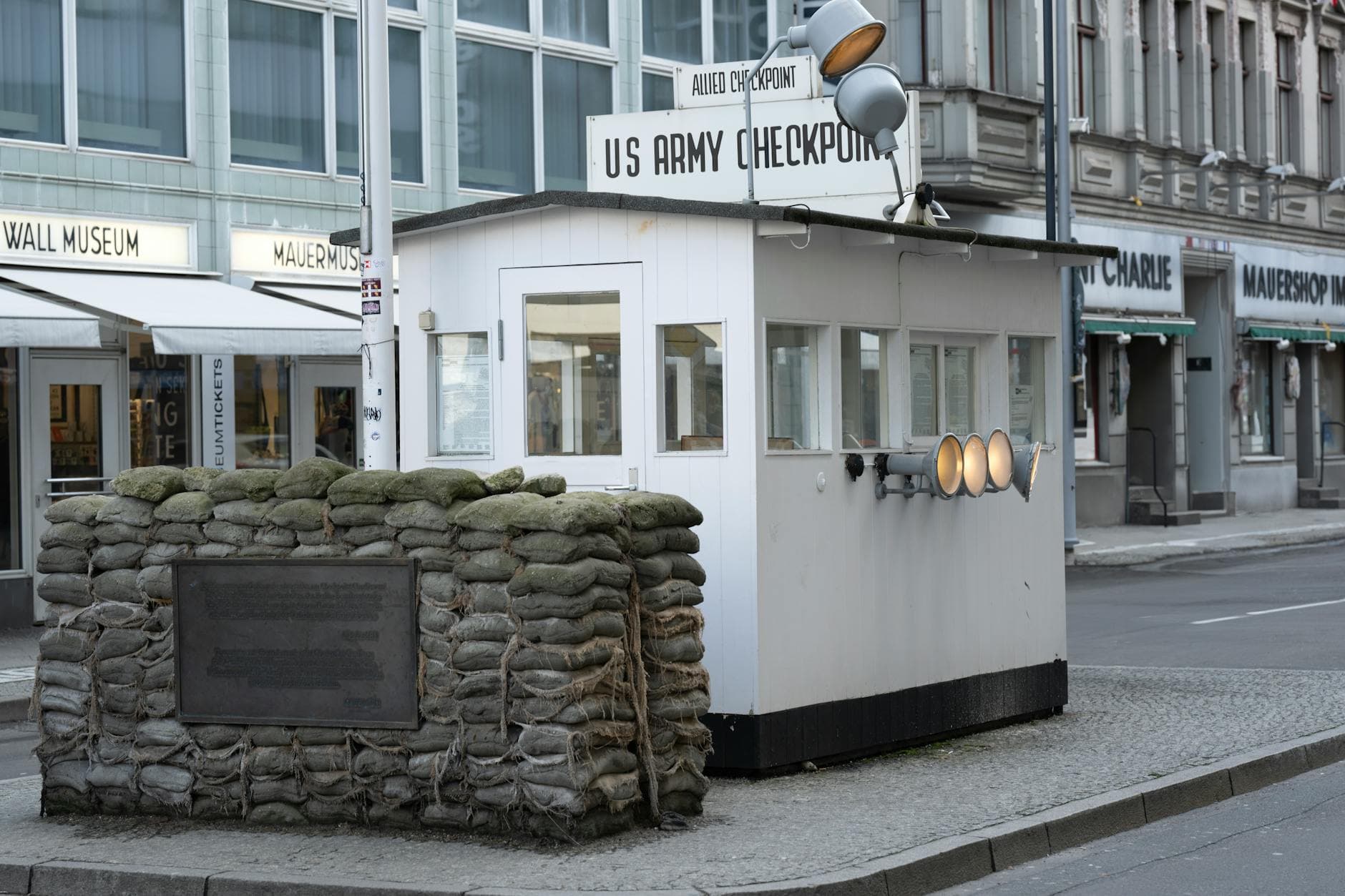
That footprint has made Germany a central node in the U.S. military posture on the continent since the aftermath of World War II and through the Cold War. Those troops do more than symbolize the American commitment to NATO. They help move equipment, support exercises, sustain readiness and give Washington a quicker response option if tensions with Russia deepen or support for Ukraine requires additional coordination.
Two senior Republican lawmakers warned that shrinking the force could weaken deterrence and send the wrong signal to Russian President Vladimir Putin. Their criticism underscored a split inside Trump’s own political coalition over whether pulling back from Germany strengthens burden-sharing or invites strategic risk at a moment when NATO allies are still pressing Europe to spend more on its own defense.
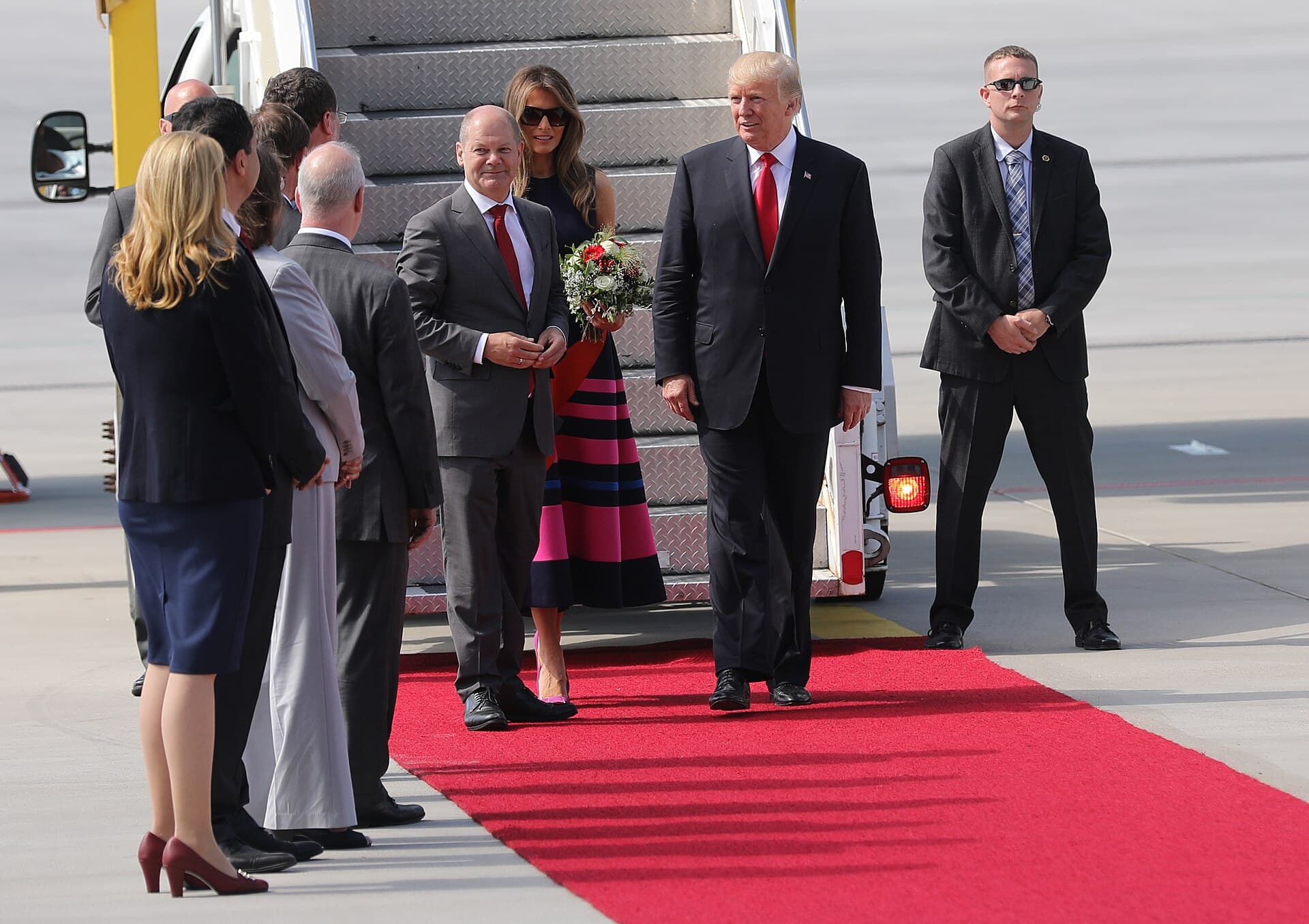
The decision follows Trump’s threat earlier in the week to reduce troop numbers after a public clash with German Chancellor Friedrich Merz over the Iran war, adding another layer of strain to the transatlantic relationship. For Germany and NATO, the question is not only how many troops remain, but what capabilities, reassurance and operational reach disappear if the United States pares back one of its most important military hubs in Europe.
This article was produced by Prism’s automated news system from verified source data, official records, and press releases, then run through automated quality and moderation checks before publishing. The system is built and supervised by the people who set the standards it runs under. Read our full AI policy.
Did this article answer your question?


