Trump calls Navy pirates as U.S. tightens Iran Strait blockade
Trump called the Navy "like pirates" as Washington threatened sanctions on shippers paying Iran tolls. The blockade has already redirected 45 vessels through Hormuz.
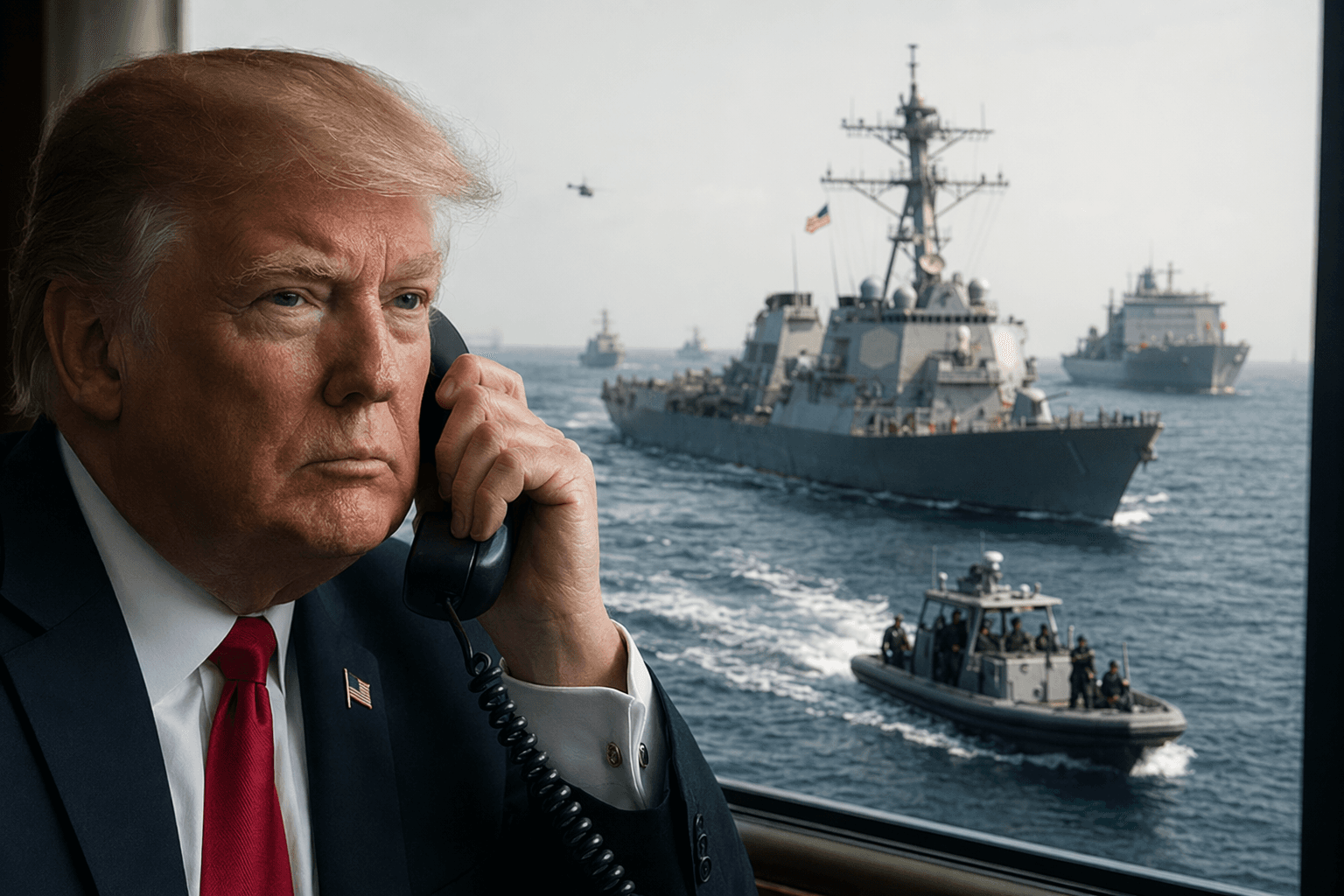
The U.S. Navy’s push into the Strait of Hormuz has turned a vital shipping lane into a test of presidential rhetoric against maritime law. Trump called the force “like pirates” while U.S. ships enforced a blockade of Iranian ports, but CENTCOM said the operation applied to vessels entering or leaving Iranian ports and would not impede freedom of navigation for ships bound to non-Iranian ports. Piracy is a narrow legal term under the law of the sea, tied to private violence or detention for private ends, which is why the comparison was politically charged.
Trump announced the blockade on April 12 after talks aimed at ending the Iran war collapsed, and said it would remain until Iran opened the strait to all traffic. CENTCOM said the blockade began April 13 at 10 a.m. ET and told mariners to monitor Notice to Mariners broadcasts and call U.S. naval forces on bridge-to-bridge channel 16. The campaign has been hands-on: CENTCOM said U.S. Marines boarded the commercial ship M/V Blue Star III in the Arabian Sea on April 28 and released it only after confirming the voyage would not include an Iranian port call.
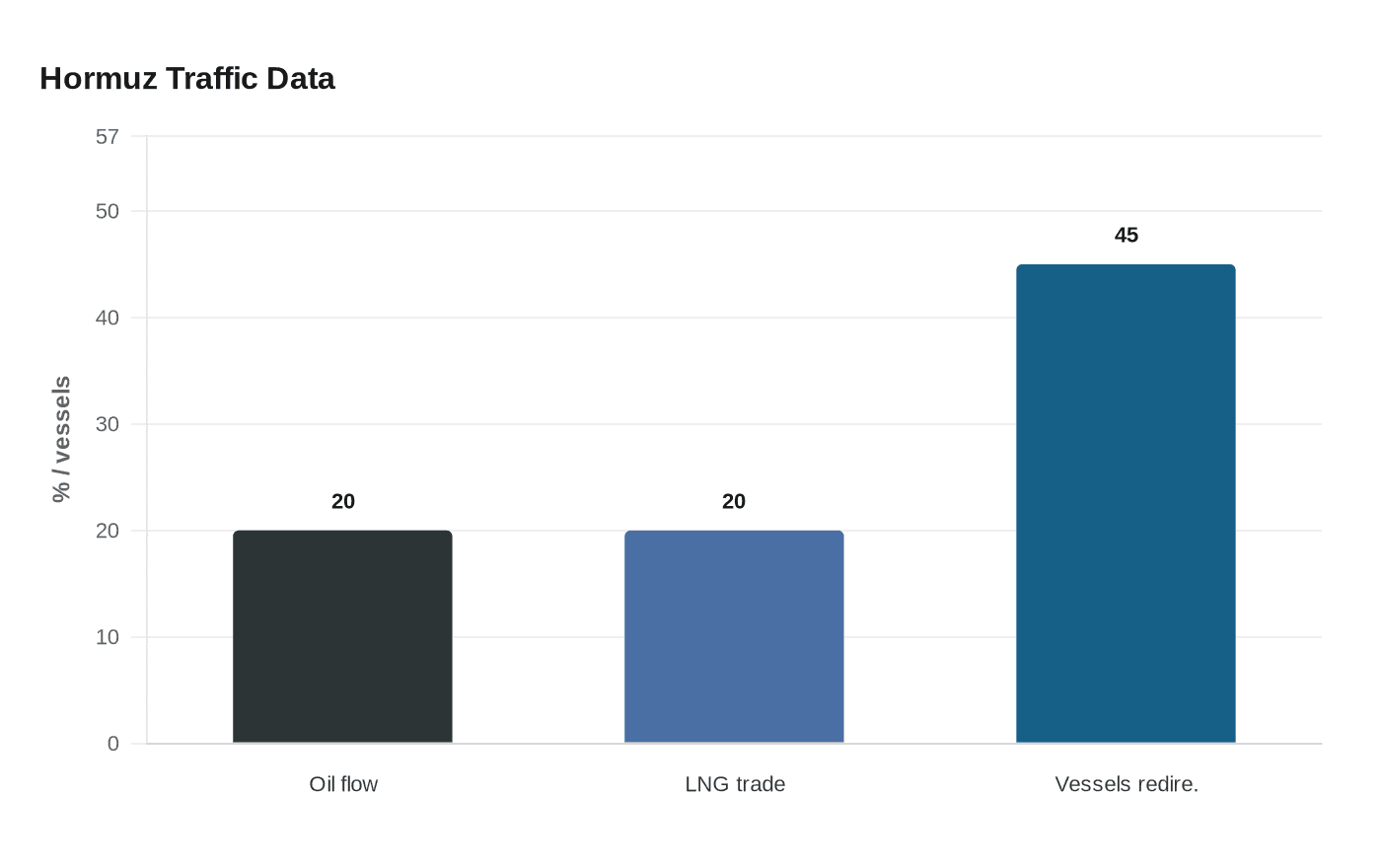
The stakes extend far beyond the Gulf. The U.S. Energy Information Administration says about 20 million barrels per day of oil flowed through Hormuz in 2024, equal to about one-fifth of global petroleum liquids consumption, and about one-fifth of global liquefied natural gas trade also crossed the strait. On May 1, OFAC warned that shippers could face punitive sanctions if they pay Iran for passage, including charitable donations to the Iranian Red Crescent Society and other in-kind transfers.
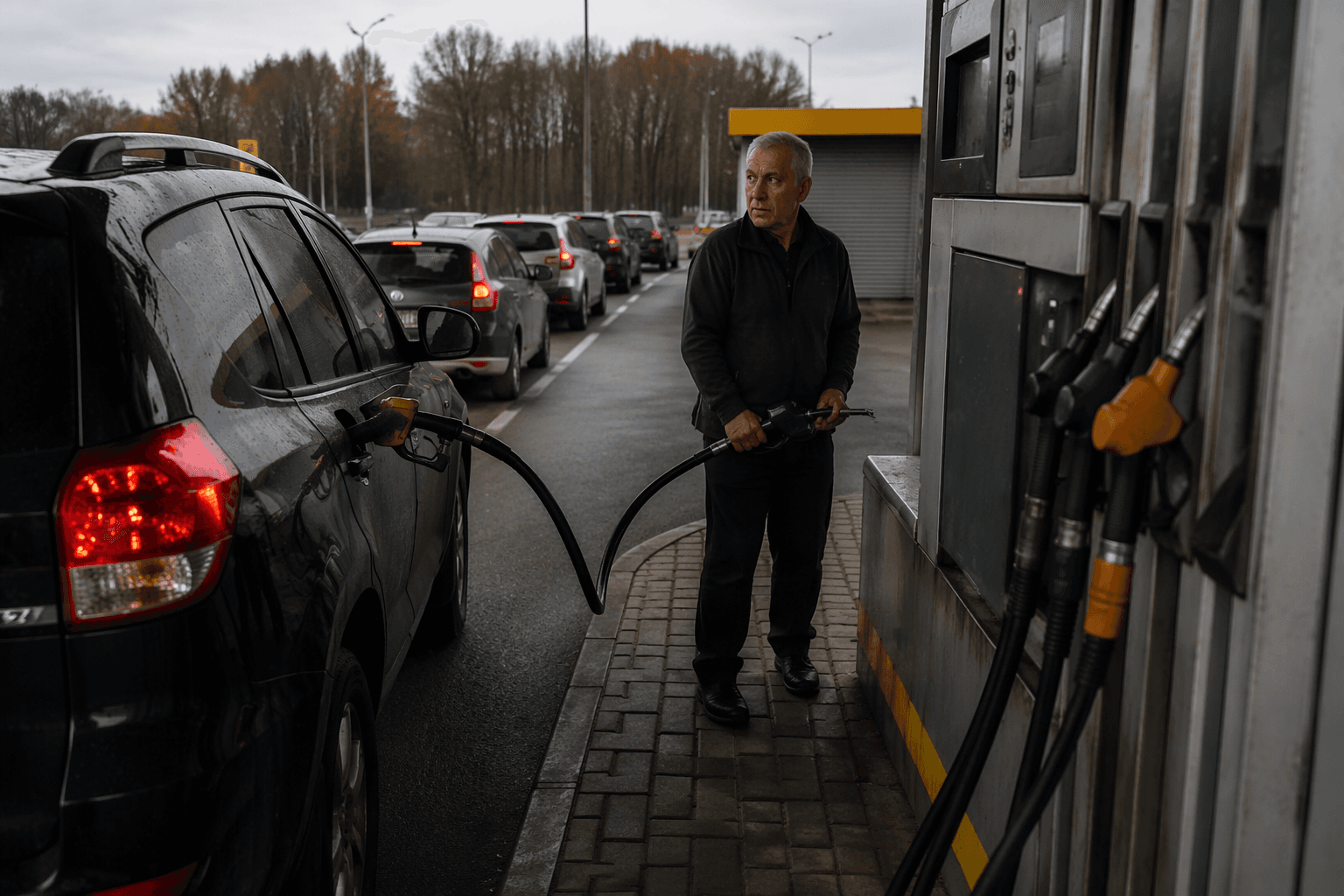
CENTCOM said an additional four vessels were redirected, bringing the total to 45 since the blockade began, underscoring how quickly the confrontation is reshaping commercial traffic. Under international law reflected in the San Remo Manual, a blockade must be declared, notified, effective, and impartial, and it cannot bar access to neutral ports. The U.S. posture is aimed at Iranian ports rather than the whole strait, but the economic shock still reaches far beyond the battlefield, with higher fuel and food prices and mounting disruption for civilians and shippers across the region.
This article was produced by Prism’s automated news system from verified source data, official records, and press releases, then run through automated quality and moderation checks before publishing. The system is built and supervised by the people who set the standards it runs under. Read our full AI policy.
Did this article answer your question?