Rerouted ships around South Africa raise whale collision risk, researchers warn
Conflict in the Middle East has pushed more ships around South Africa, and researchers say the detour is raising the odds of whale strikes off the country’s southwest coast.
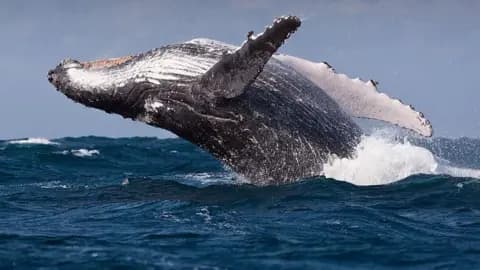
Conflict in the Middle East has redirected a growing share of global shipping around the Cape of Good Hope, and researchers warn that the new route is piling dense vessel traffic onto whale migration and feeding grounds off South Africa’s southwestern coast.
The rerouting intensified after the November 2023 hijacking of the British-owned vehicle carrier Galaxy Leader near Yemen, then deepened as attacks and tensions involving the United States, Israel and Iran disrupted transit through the Strait of Hormuz. Between March 1 and April 24 this year, an average of 89 commercial vessels sailed around southern Africa, up from 44 over the same stretch in 2023, according to the International Monetary Fund’s PortWatch monitor. The detour has pulled more traffic away from the Red Sea and Suez Canal and into waters where whales and ships increasingly share the same space.
A paper presented this month to an International Whaling Commission meeting by University of Pretoria whale unit lead researcher Els Vermeulen said the overlap is especially dangerous because the fastest traffic, which carries the greatest strike risk, has risen by a factor of four. Vermeulen said the whales have not had time to adapt to the new pattern. Ken Findlay, a blue economy consultant who contributed to the report, said humpback whales began feeding seasonally off South Africa’s increasingly busy west coast in 2011, adding another layer of traffic around waters already important for large marine mammals.
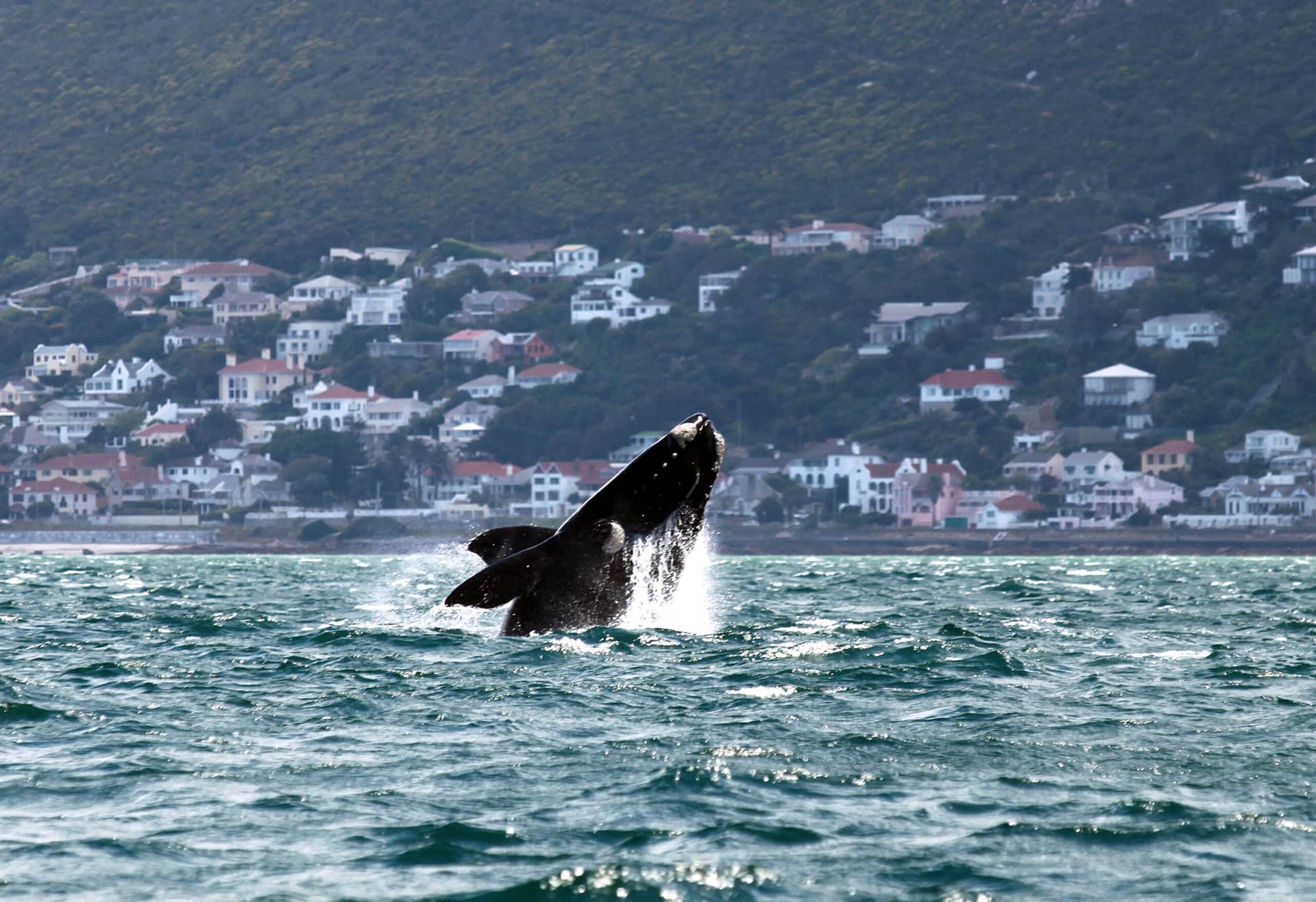
Chris Johnson, global lead of WWF’s Whale and Dolphin Conservation initiative, warned that whales may not react to ship noise in the way people expect, and said changing whale behavior, possibly linked to climate change, may also be putting them in harm’s way. The wider scientific picture is stark: a University of Washington-led study published in Science in November 2024 found global shipping overlaps with about 92% of the ranges of blue, fin, humpback and sperm whales, while fewer than 7% of the highest-risk collision hotspots have any protection measures in place. That study said protecting an additional 2.6% of the ocean could eliminate many high-risk areas with only a small increase in shipping time.
The International Whaling Commission says ship strikes are often underreported because many incidents go unseen, and they can be fatal even for very large whales. In the South African case, researchers said shifting traffic lanes farther offshore could reduce strike exposure by 20% to 50% for some whale species, a measure that now looks more urgent as geopolitical disruption keeps reshaping the world’s sea lanes.
This article was produced by Prism’s automated news system from verified source data, official records, and press releases, then run through automated quality and moderation checks before publishing. The system is built and supervised by the people who set the standards it runs under. Read our full AI policy.
Did this article answer your question?


