UK, US, EU order six-week isolation for MV Hondius evacuees
Three governments chose different quarantine systems, but the same logic, the hantavirus incubation window can stretch to six weeks, so risk did not end at disembarkation.
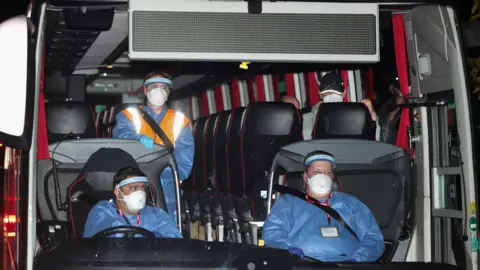
Three governments have imposed three different kinds of isolation on evacuees from the MV Hondius, but each is built around the same medical warning: hantavirus can incubate for up to six weeks, long after passengers leave the ship.
Britain ordered all British passengers and crew to isolate for 45 days after returning home. The UK Health Security Agency said health protection teams would keep daily contact with evacuees, with testing and care provided as needed. The message was strict, but it still relied on people being back in their own homes, under active public-health supervision rather than in a sealed federal facility.
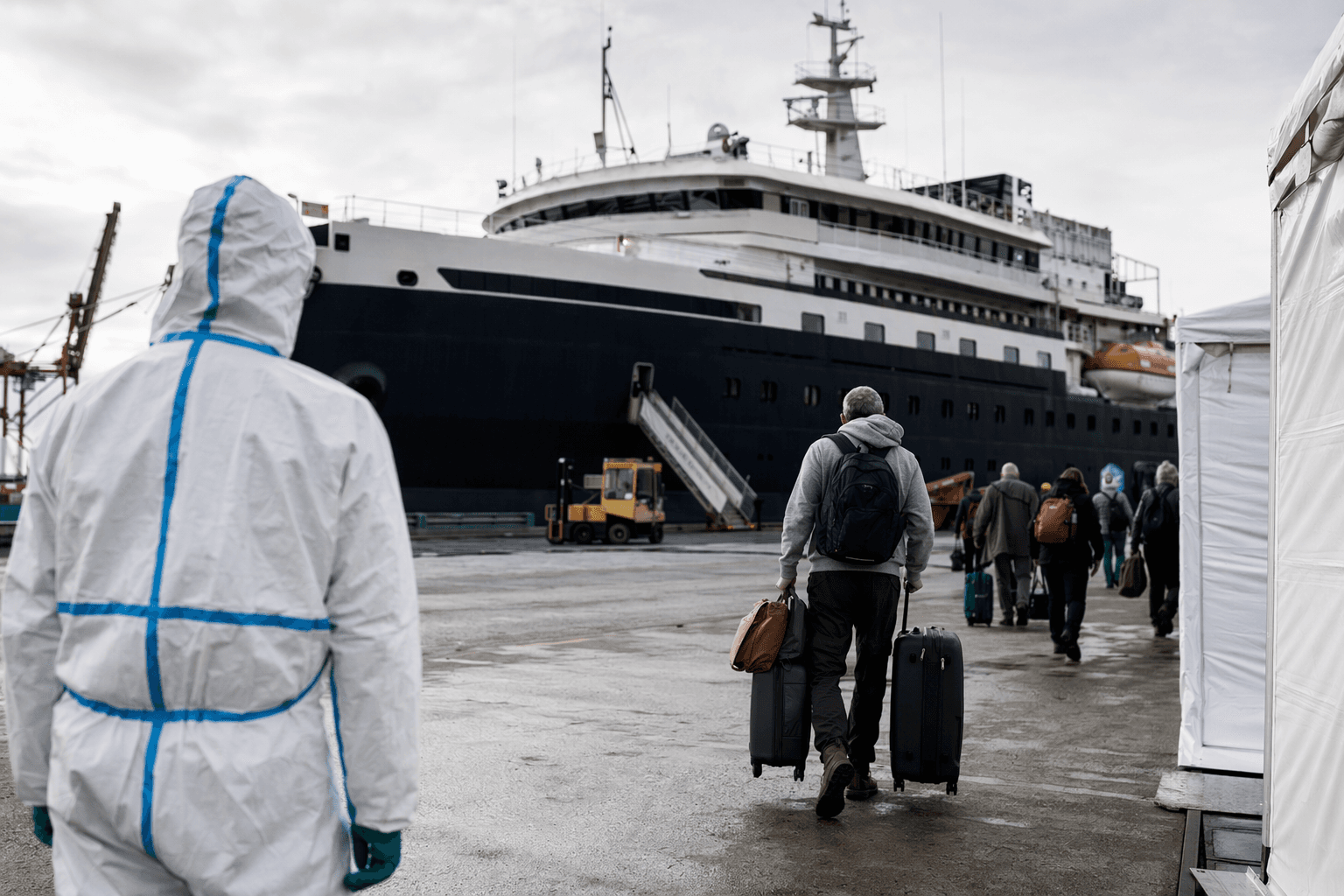
The United States chose a more contained approach. Seventeen passengers were sent to the National Quarantine Unit on the University of Nebraska Medical Center campus in Omaha for evaluation and monitoring. That model places evacuees in a secured medical environment, reflecting a lower tolerance for uncertainty and a stronger preference for centralized control when the consequences of missed infection are high.
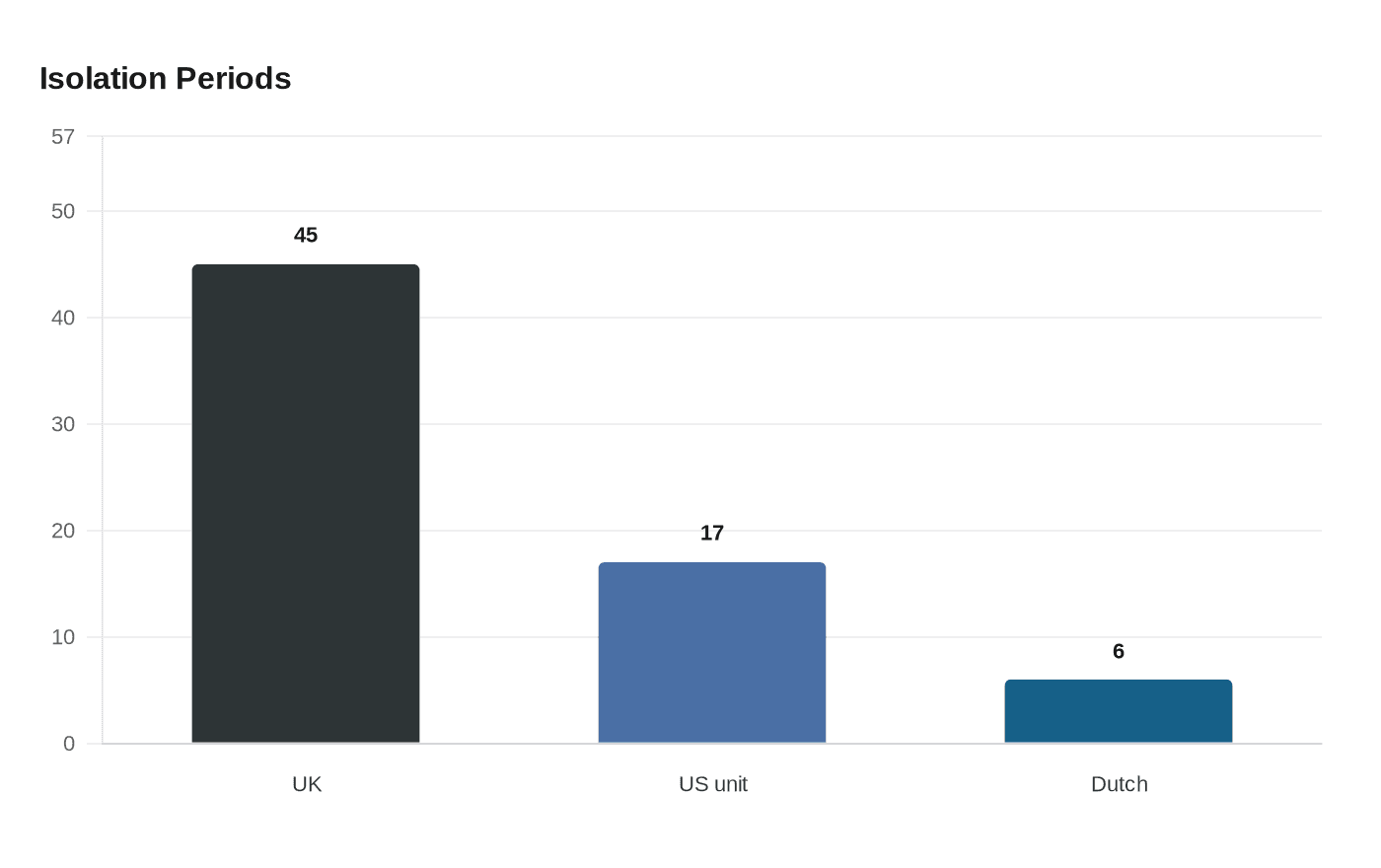
Dutch citizens were handled differently again. They were transported home by medical transport and told to self-quarantine for six weeks, a response that put more of the burden on individual compliance once they were back in the Netherlands. Other countries were arranging quarantine locations for their nationals as the evacuation unfolded, underscoring how unevenly governments are still managing the same infection risk.
The outbreak began aboard the Dutch-flagged expedition cruise ship MV Hondius, which departed Ushuaia, Argentina, on 1 April 2026 and later anchored near Tenerife in Spain’s Canary Islands as authorities moved passengers ashore in stages. At least three passengers died. A French woman and an American later tested positive after evacuation, deepening concern that the virus had already traveled beyond the ship.
That is why the isolation orders run so long. Health authorities and the World Health Organization have tied the six-week guidance to the virus’s incubation window, a period long enough to make a rushed return dangerous even after the ship has been emptied. Captain Jan Dobrogowski thanked passengers and crew for their “patience, discipline and friendliness” during what he described as a very challenging ordeal, but the harder work now belongs to public-health systems on three continents, all trying to stop one maritime outbreak from becoming a wider one.
This article was produced by Prism’s automated news system from verified source data, official records, and press releases, then run through automated quality and moderation checks before publishing. The system is built and supervised by the people who set the standards it runs under. Read our full AI policy.
Did this article answer your question?


