Trump Iran ceasefire teeters as oil prices climb amid stalemate
Brent crude topped $103 as Trump's Iran truce frayed, with Washington demanding a nuclear concession and Tehran pushing maritime-security talks.
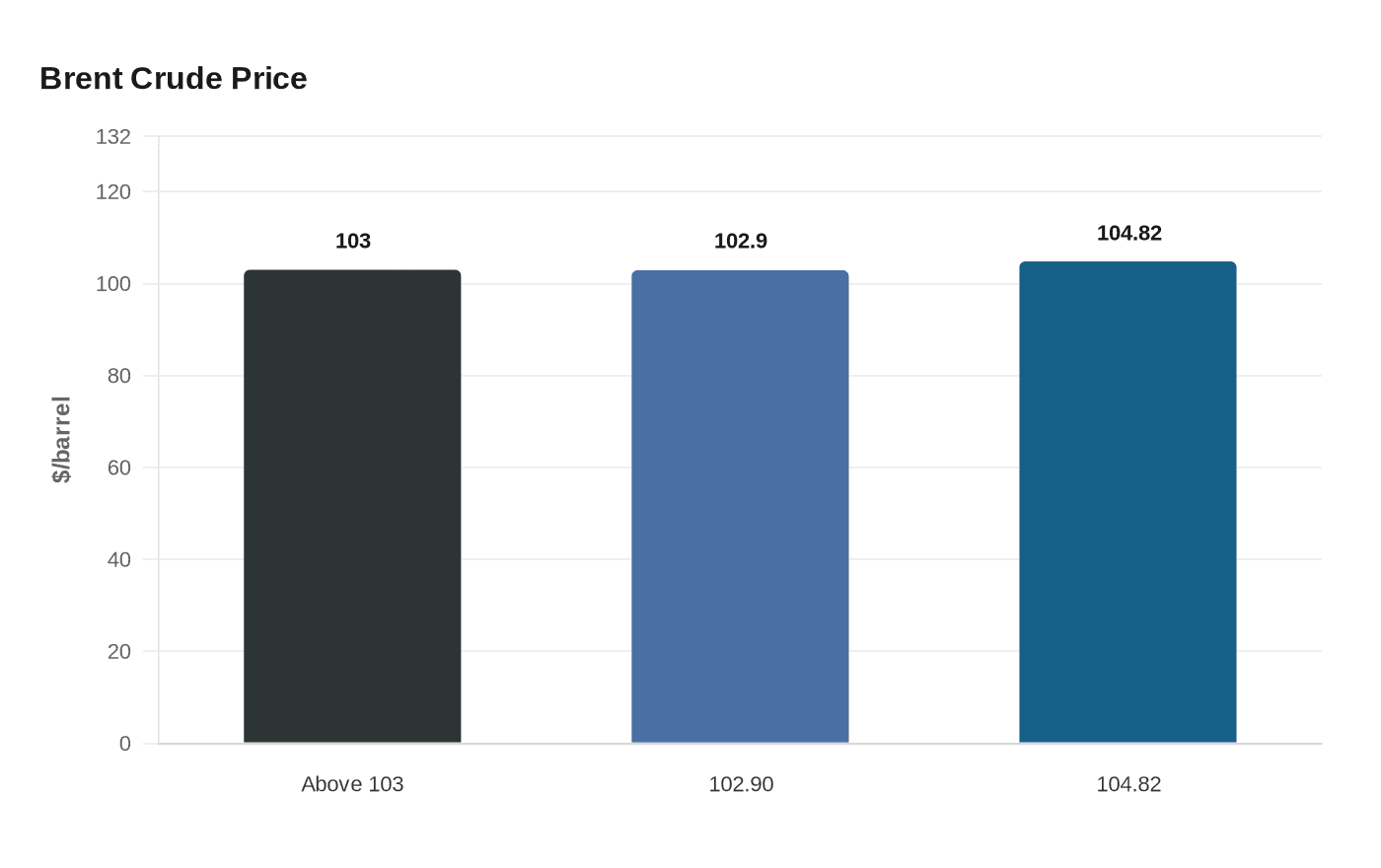
Oil prices climbed as the U.S.-Iran ceasefire lurched deeper into stalemate, with Brent crude rising above $103 a barrel Monday morning while Donald Trump denounced Tehran’s latest counterproposal as “a piece of garbage.” The market move underscored how quickly the fragile truce had become a global energy problem, not just a diplomatic one, as traders weighed fresh disruption risks in the Strait of Hormuz and the Gulf.
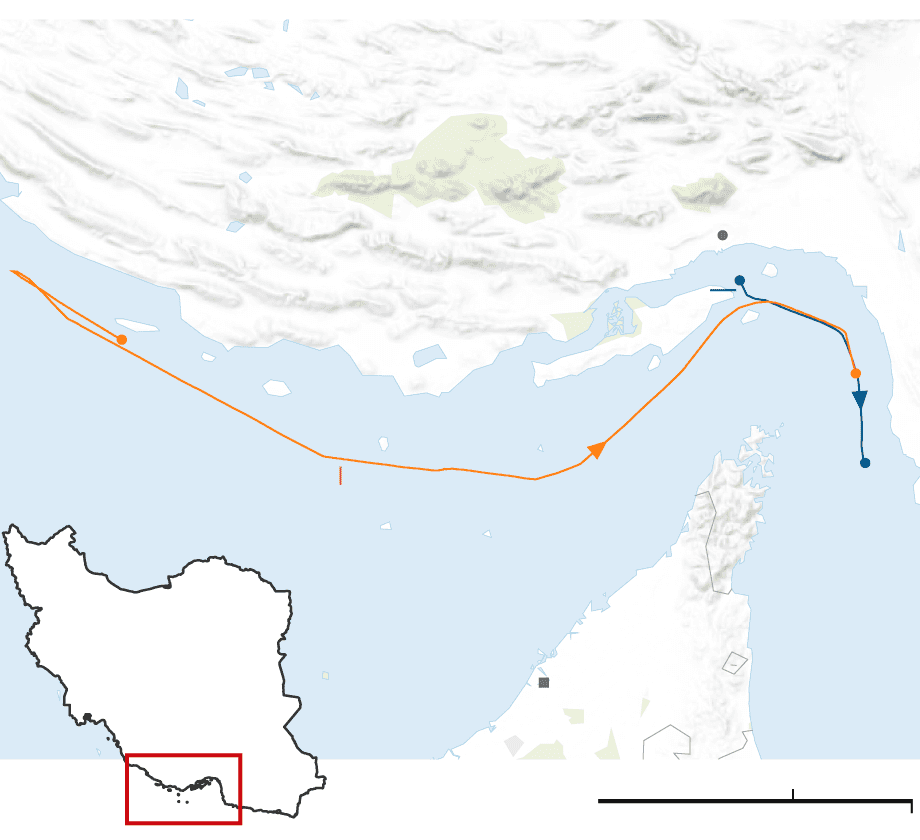
The ceasefire began on April 8 and was supposed to last two weeks before Trump extended it on April 21. Since then, both sides have accused each other of violations, and attacks have continued to be reported in the Strait of Hormuz and elsewhere. Trump said the truce was “on life support” and that Iran’s response was “a piece of garbage,” while CNBC reported he had earlier threatened to destroy Iran’s “whole civilization” if no deal was struck. The central obstacle remained unchanged: Iran pressed for an end to hostilities and stronger maritime security guarantees, while Washington rejected the proposal because it did not include the nuclear concession it wanted.
Iran sent its response through Pakistani mediators, and the Iranian state news agency said the first phase should focus on ending hostilities and ensuring security in the Gulf and the Strait of Hormuz. Tehran defended the proposal as “reasonable and generous,” but the U.S. side treated it as insufficient. That gap left the ceasefire exposed, with the world’s most important oil chokepoint still vulnerable and traffic through the strait failing to return to pre-war levels.
The costs of collapse are already showing up in the market. The Associated Press said Brent rose more than 2% on the day, with different market snapshots placing it around $102.90 to $104.82, as analysts warned the standoff kept global oil supplies under pressure. Trump has said the Strait of Hormuz must reopen immediately under the truce terms, and after traffic did not normalize he ordered a U.S. naval blockade in the Gulf of Oman, a sign that military pressure was still part of the playbook.
The diplomatic fallout extended well beyond the Gulf. Trump was due in Beijing this week for a rescheduled summit with Xi Jinping, and China’s deep economic ties to Iran threatened to complicate those talks. For Washington, the immediate question was no longer only whether Iran would make a nuclear concession, but whether the next escalation would further tighten oil markets, unsettle Gulf allies, and deepen the regional instability the ceasefire was meant to prevent.
Know something we missed? Have a correction or additional information?
Submit a Tip