Georgia Orthodox bishops elect Shio III as new patriarch
Georgia’s bishops chose Shio III with 22 of 39 votes, a swift succession that puts one of the country’s most powerful institutions back at the center of politics.
Georgia’s Orthodox bishops chose Shio III as the new patriarch, handing the country’s most influential religious institution to a 57-year-old cleric whose reach extends well beyond the altar and into national politics, social policy and questions of identity. Born Elizbar Mujiri in Tbilisi, Shio III won 22 votes from the 39-member Holy Synod, ahead of Metropolitan Iobi Akiashvili with 9 and Metropolitan Grigol Berbichashvili with 7, with one ballot marked invalid.
The selection was more than a routine church vote. The Georgian Orthodox Church has long held a privileged place in public life, and the state recognizes its outstanding role in the country’s history. That standing has made the patriarchate a powerful voice in debates over family policy, abortion and LGBT rights, where church leaders often shape the terms of the national argument. Georgia’s parliament passed anti-LGBT legislation in September 2024, deepening scrutiny of the church’s role in defining what ruling politicians and their allies call traditional moral standards.
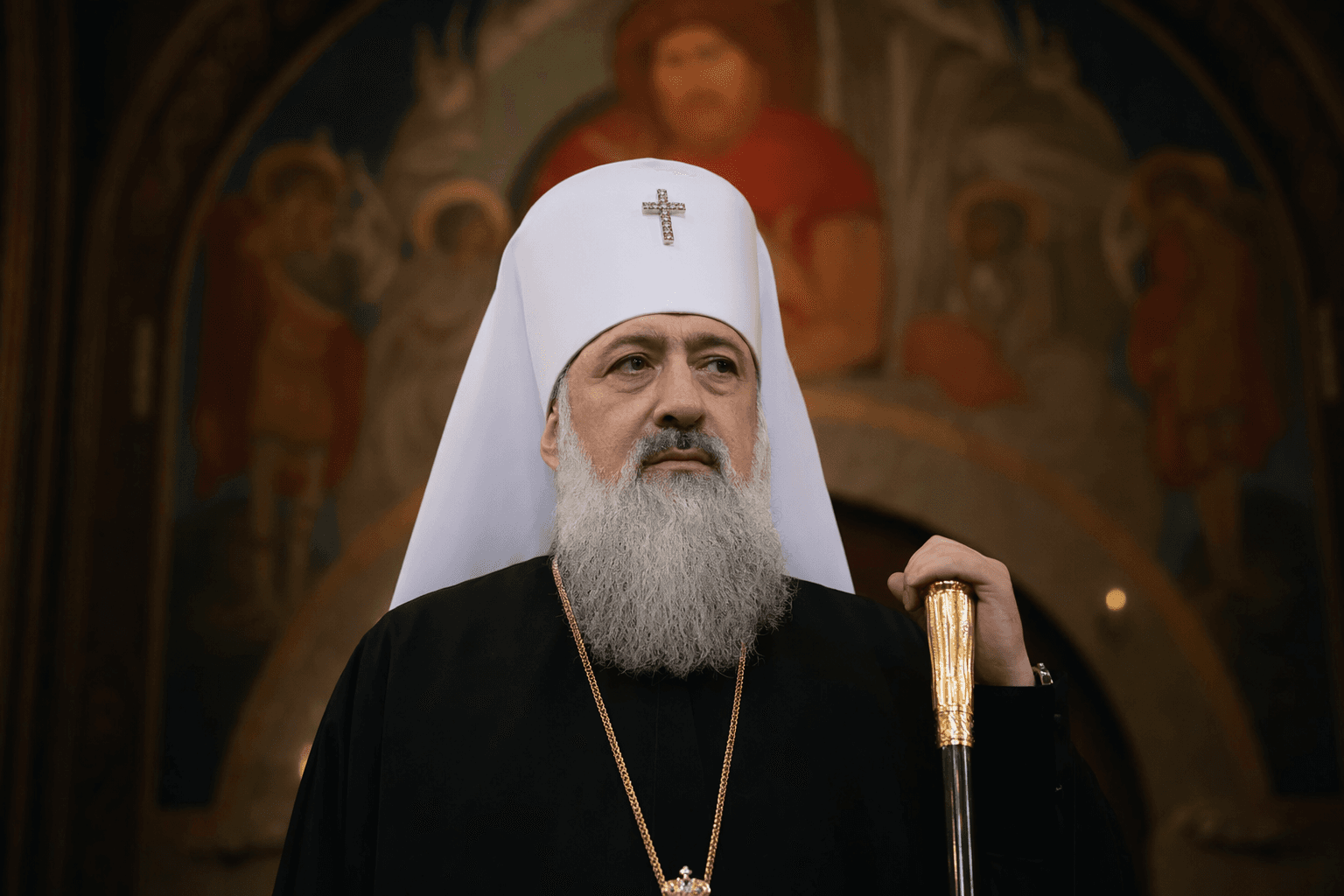
Shio III had already been positioned for the job. He had served as locum tenens of the Patriarchal Throne since November 23, 2017, giving him the day-to-day leadership role during Ilia II’s decline. He also studied at the Moscow Theological Academy and was trained as a cellist before becoming a monk, a background that places him inside a church culture with deep historic ties across the Orthodox world. His enthronement was scheduled for May 12, 2026, at Svetitskhoveli Cathedral in Mtskheta, the symbolic heart of Georgian Orthodoxy.
The transition follows the death of Ilia II on March 17, 2026, at age 93. He led the Georgian Orthodox Church from 1977 to 2026 and oversaw its transformation from a Soviet-era repressed institution into the country’s most powerful non-state body. His funeral drew tens of thousands of mourners, along with delegations from other Orthodox churches, the Roman Catholic Church and other religious communities, underscoring the breadth of the church’s reach.
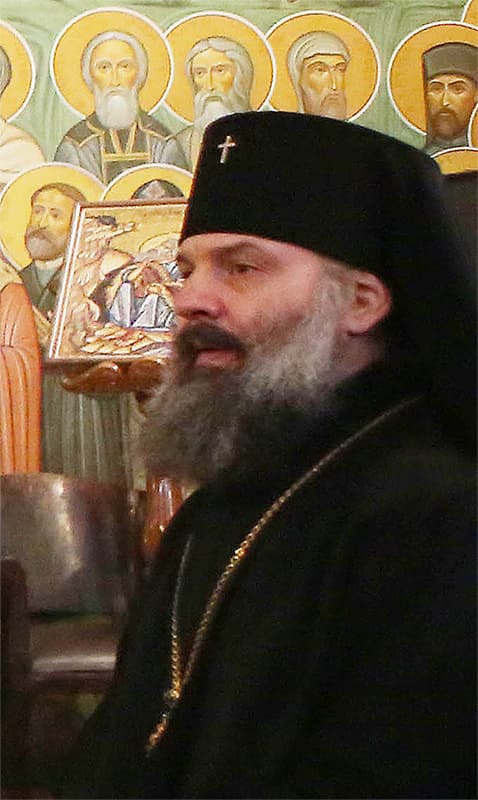
For Georgia, the choice of Shio III is not only a religious succession. It is a moment that will help define how the church speaks on sovereignty, morality and foreign influence at a time when domestic politics remain tightly bound to institutions that shape public trust. In a country where the patriarchate still carries civic weight, the new leader inherits a role with direct consequences for national debate.
This article was produced by Prism’s automated news system from verified source data, official records, and press releases, then run through automated quality and moderation checks before publishing. The system is built and supervised by the people who set the standards it runs under. Read our full AI policy.
Did this article answer your question?


