Russia, Ukraine trade ceasefire violations as U.S. peace push falters
Drone strikes, artillery and more than 1,000 alleged violations kept a three-day truce from holding. The fighting exposed how little room remains for a U.S.-brokered deal.
Russia and Ukraine spent Monday accusing each other of breaking a U.S.-mediated ceasefire that was meant to run from May 9 through May 11, leaving the front line active even as Washington pushed for a pause in the war. The ceasefire, tied to a broader U.S.-led peace effort under President Donald Trump, was supposed to suspend all kinetic activity and create space for a proposed prisoner swap of 1,000 prisoners from each side.
The weekend brought the clearest sign that the truce was collapsing in practice. Ukraine’s officials said Russian drone strikes killed three people near the front line, while more than 200 battlefield clashes were reported since early Saturday. Russia’s Ministry of Defense then accused Kyiv of committing more than 1,000 ceasefire violations, saying Moscow’s forces had responded in kind. Those competing claims left no easy way to separate battlefield facts from wartime messaging, with both governments using the ceasefire to cast the other side as the aggressor.
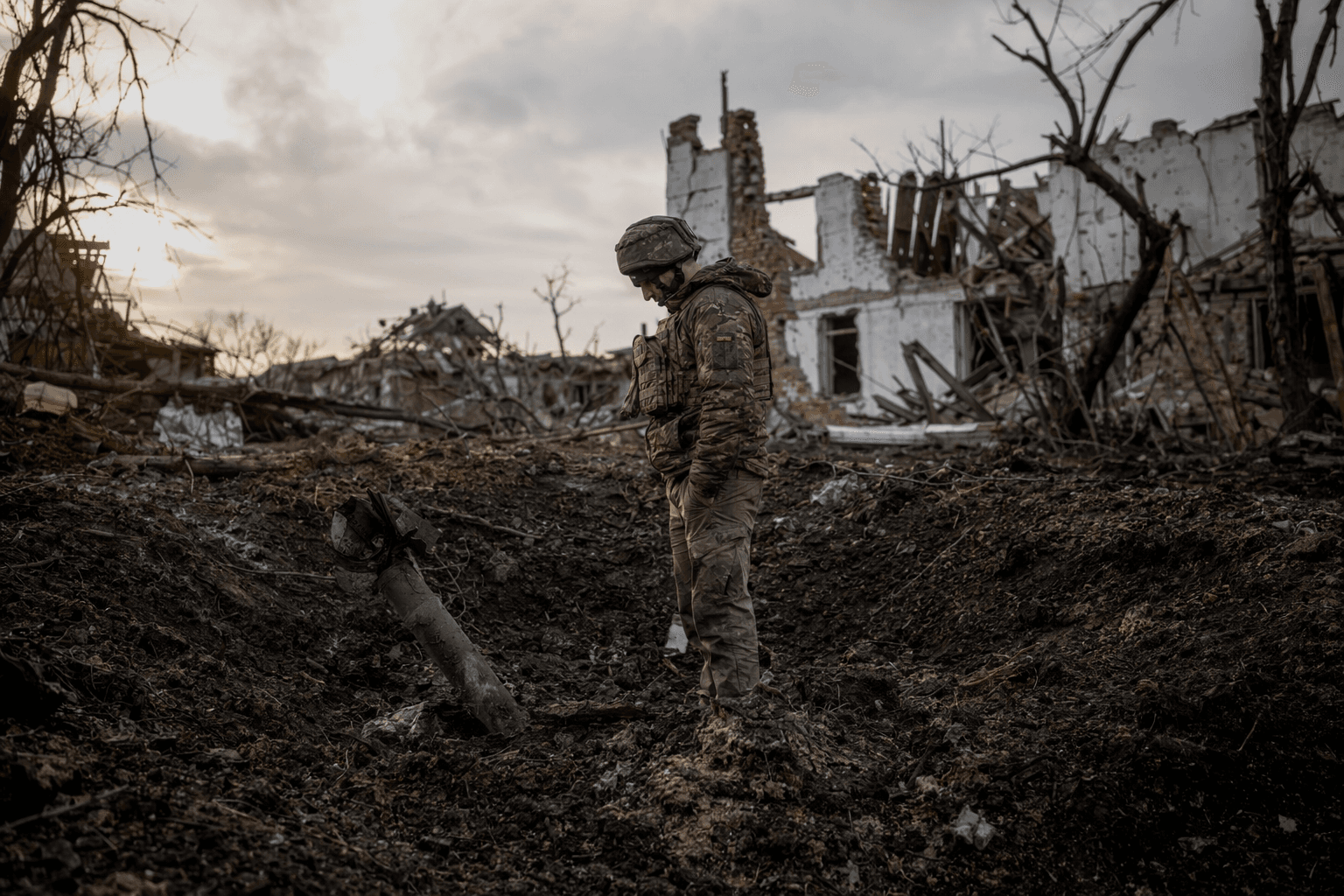
Volodymyr Zelenskiy said Moscow had not launched large-scale aerial and missile attacks, but that Russian forces continued assaults along parts of the 1,200-kilometer front line, where they were still advancing in eastern and southern Ukraine. Ukraine’s military said its troops were defending their positions. The picture that emerged was not of a frozen front, but of a grinding war in which artillery, drones and incremental gains continued under the cover of ceasefire language.
Donald Trump said Friday that he hoped the ceasefire could be extended, but the weekend’s fighting made clear how fragile that effort remained. With the war now more than four years old since Russia’s full-scale invasion in 2022, even a short truce could not settle the basic problem: neither side appeared willing to trust the other first. Each new accusation of violation makes it harder for mediators to persuade either capital that restraint will be matched.

The timing also carried symbolic weight. The ceasefire fell during Russia’s Victory Day period, as Moscow prepared for its annual World War Two parade under tight security. That overlap gave the pause in fighting more than military significance. It became another test of whether a peace process led by the U.S. can survive long enough to move beyond public accusations and into something both Kyiv and Moscow can actually enforce.
This article was produced by Prism’s automated news system from verified source data, official records, and press releases, then run through automated quality and moderation checks before publishing. The system is built and supervised by the people who set the standards it runs under. Read our full AI policy.
Did this article answer your question?


