Trump says Iran ceasefire on life support as Hormuz closure deepens crisis
Hormuz stayed shut as Trump called the Iran ceasefire “on life support,” sending oil prices higher and raising the risk of a wider U.S. military role.
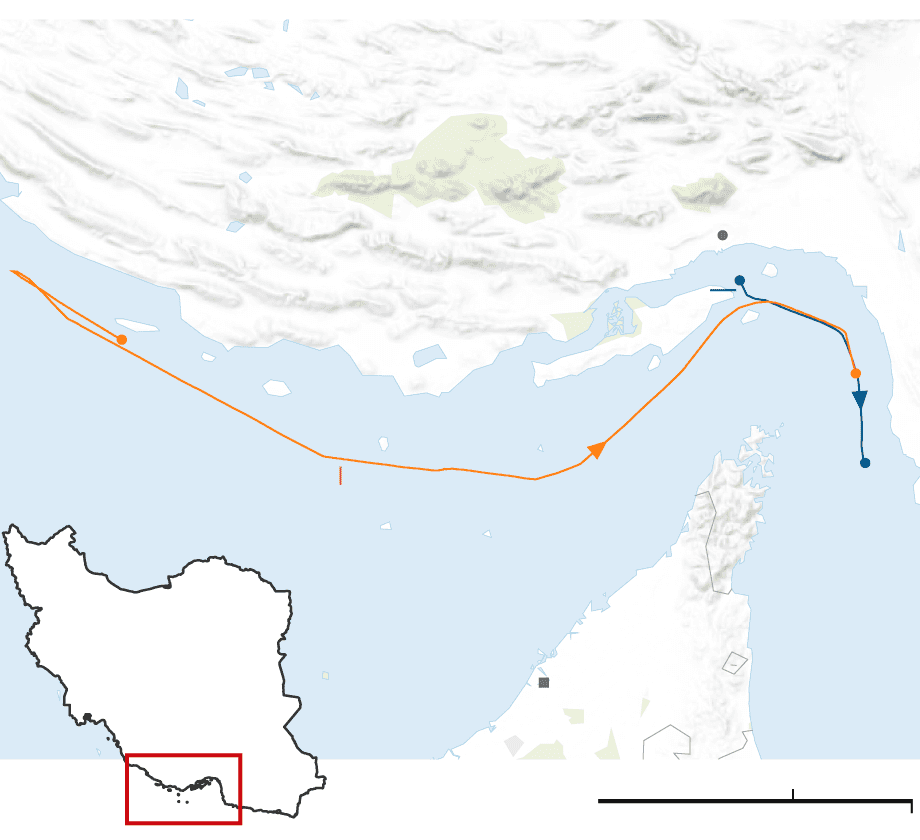
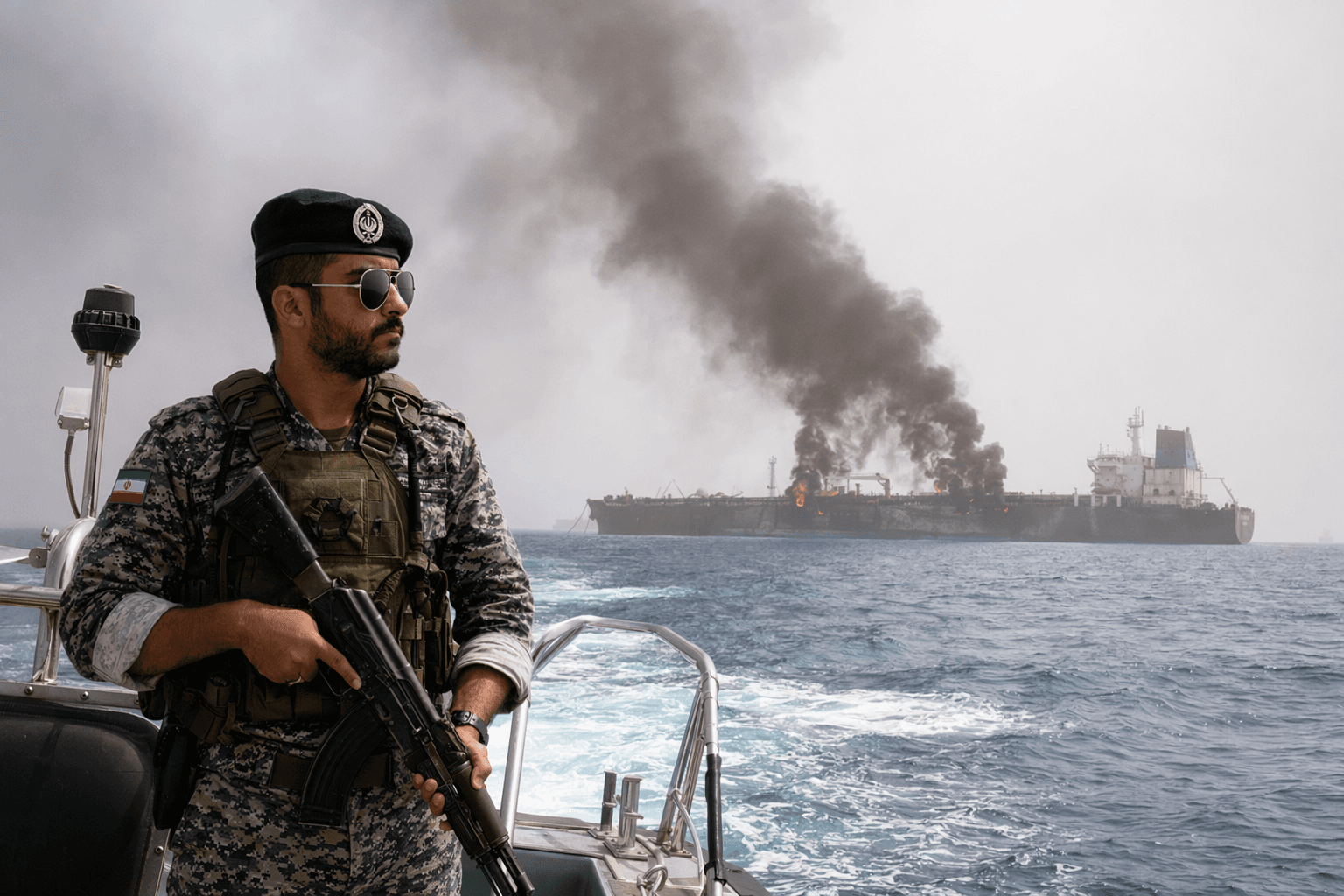
The closed Strait of Hormuz has turned a diplomatic breakdown into a global economic threat. With shipping still paralyzed through the narrow waterway that carries about a quarter of the world’s seaborne oil trade and significant liquefied natural gas volumes, Trump’s declaration that the Iran ceasefire was “on life support” immediately fed market fears, and oil prices rose after he rejected Tehran’s counterproposal.
Trump said the truce was “unbelievably weak” and dismissed Iran’s reply to a U.S. peace proposal as “garbage” and “totally unacceptable.” The exchange underscored how quickly the conflict has moved from battlefield pressure to economic shock. The war, now 10 weeks old, has killed thousands and disrupted vital energy flows, putting the Strait of Hormuz at the center of a crisis that reaches far beyond the Middle East.
Iran’s response reportedly sought an end to the war on all fronts, especially in Lebanon, where Israel is fighting Hezbollah, and also touched on Iran’s disputed nuclear program. Tehran also pressed for an end to the U.S. naval blockade, sanctions relief, guarantees against further attacks, and a lift on restrictions on Iranian oil sales. Iranian officials said they would “never bow,” signaling that any deal still faces a hard nationalist line in Tehran.
The episode shows the limits of Washington’s leverage. Trump can reject proposals, tighten or loosen sanctions, and decide whether the U.S. Navy keeps escorting ships through the waterway. But he cannot by himself reopen Hormuz or force a ceasefire if Iran continues to treat the strait as leverage. That leaves the White House with a narrow set of options: pressure, protection for commercial shipping, and the threat of escalation if attacks continue.
For energy markets, the stakes are immediate. A prolonged closure keeps oil and LNG flows at risk, raising transport costs and keeping upward pressure on prices that can filter into gasoline, freight, and broader inflation. For the U.S. military, an escort mission would mean continuing operational costs and a greater chance of direct confrontation in one of the world’s most important chokepoints. Until the strait reopens, the ceasefire remains fragile in name and absent in practice.
Know something we missed? Have a correction or additional information?
Submit a Tip

